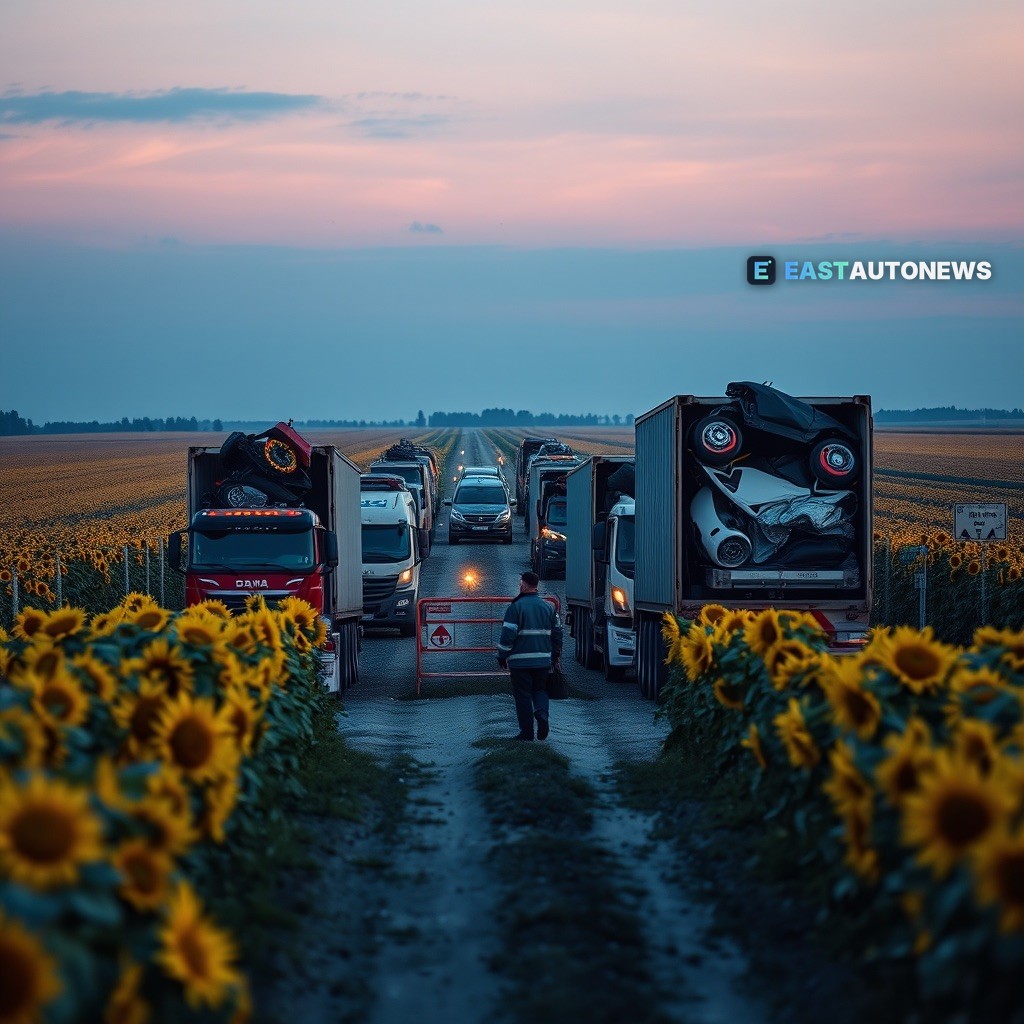
The road west out of Ukraine just got cheaper. Moldova is cutting tariffs on Ukrainian goods transiting the country, trimming friction from one of Kyiv's key trade corridors toward European markets. It is the kind of quiet, technical decision that rarely grabs headlines — yet with Brussels rewriting the rules of where Europe's cars must source their parts, every tariff line on the EU's eastern flank now carries strategic weight.
The backdrop is the EU's 'Made in Europe' plan, a Germany- and France-driven push that has unnerved auto suppliers from Istanbul to Tokyo. Under the IAA, 70% of the total value of a vehicle's components — excluding the battery — should be made in Europe. Cars imported from Japan would not qualify for EU subsidies, while models built in France, Portugal and Eastern Europe would benefit only if enough of their parts come from Europe. Suppliers warn the plan raises costs and dents competitiveness, and Turkey — whose auto exports totaled €26.8 billion last year — is among the loudest voices sounding the alarm.
For Ukraine, the calculus is sharpening on both fronts. Moldova's tariff cuts mean Ukrainian goods rolling through the country face lower transit costs — a modest but real advantage at a moment when European automakers are being pushed to localize content. As the definition of 'European' hardens, cheap and predictable corridors become part of the competitiveness equation, because purchasing departments hunting compliant parts will weigh not just where a component is made, but how smoothly it travels.
The corridor news lands amid deep industrial flux. Ukraine has reportedly struck chemical and metallurgical plants in Russia — attacks that reach into the raw-material base of the wider region's industrial economy. Meanwhile, the localization race is already producing milestones: Leapmotor has become the first Chinese automaker to build EVs and batteries in Europe, thanks to an assist from Stellantis — proof that global players would rather put production inside the EU's walls than export into a market that is closing its subsidy doors.
For Eastern Europe's supplier community, the signals from Brussels and Chisinau point in the same direction: geography is regaining commercial meaning. Content rules will decide which plants thrive; transit corridors will decide whose goods arrive cheapest. Ukraine, with its trade arteries running through an increasingly accommodating Moldova, is watching both levers closely — and suppliers across the region would be wise to do the same.
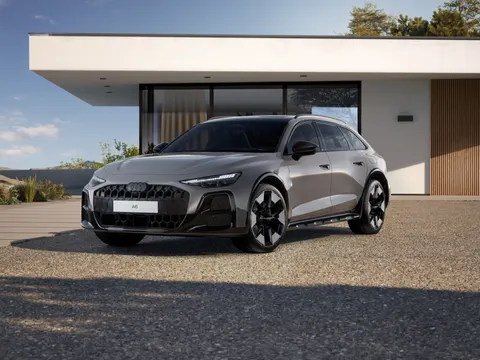
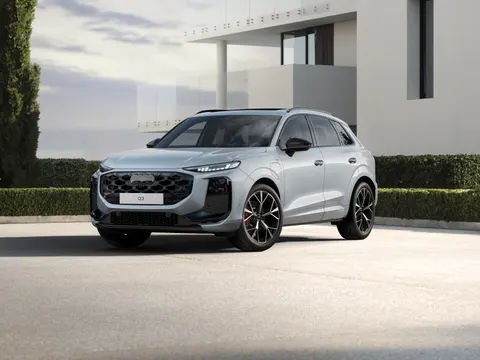
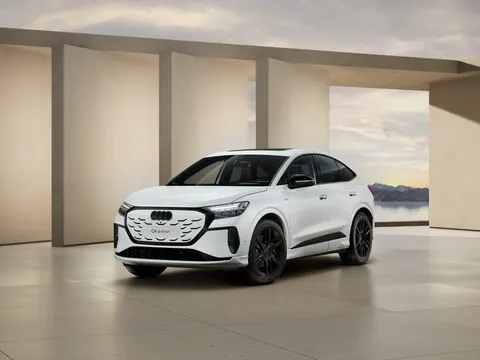
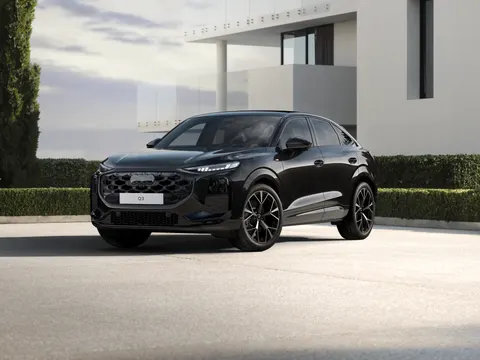
Supply chains may be in flux, but finished vehicles keep rolling onto the market — and buyers stand to benefit. Anyone searching for their next car, from frugal city runabouts to heavy-duty fleet workhorses, will find sensational cars at sensational conditions at WorldTrader24, Europe's marketplace with over 70,000 vehicles.