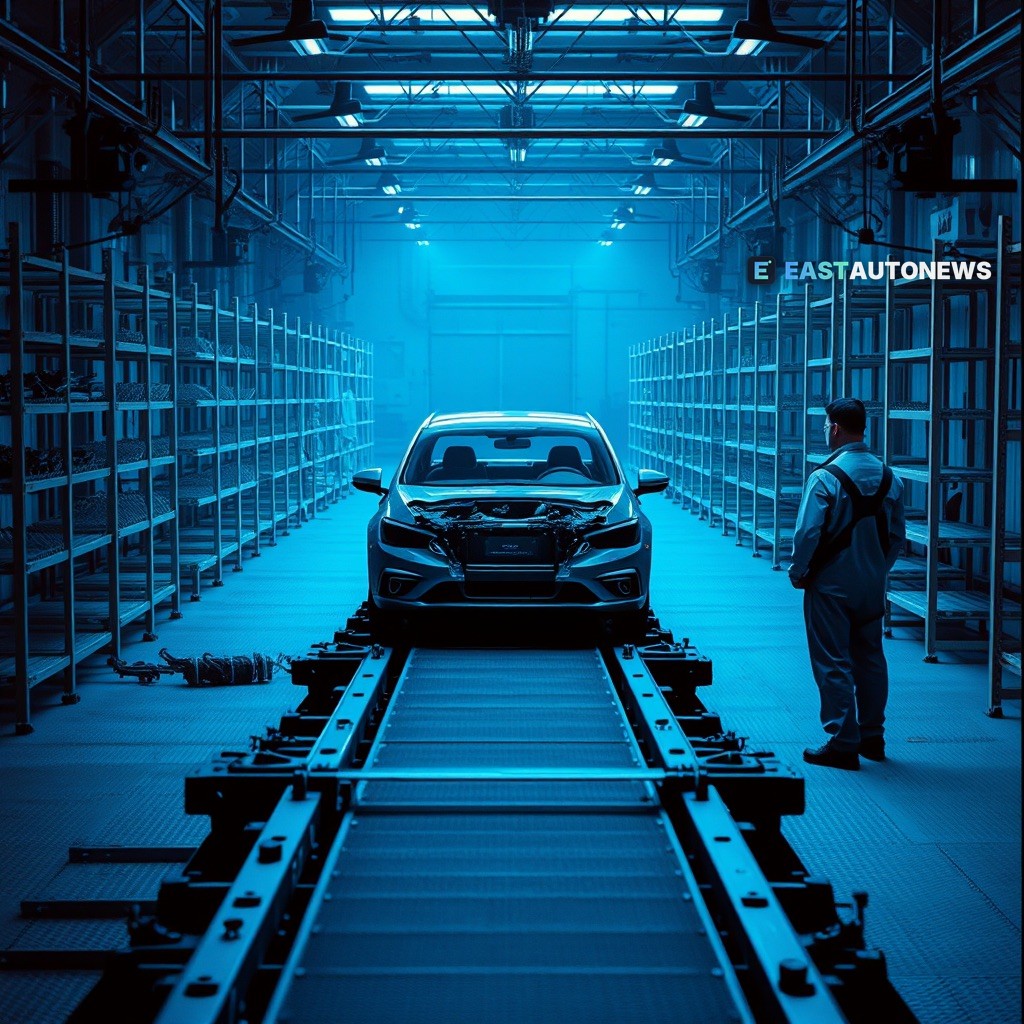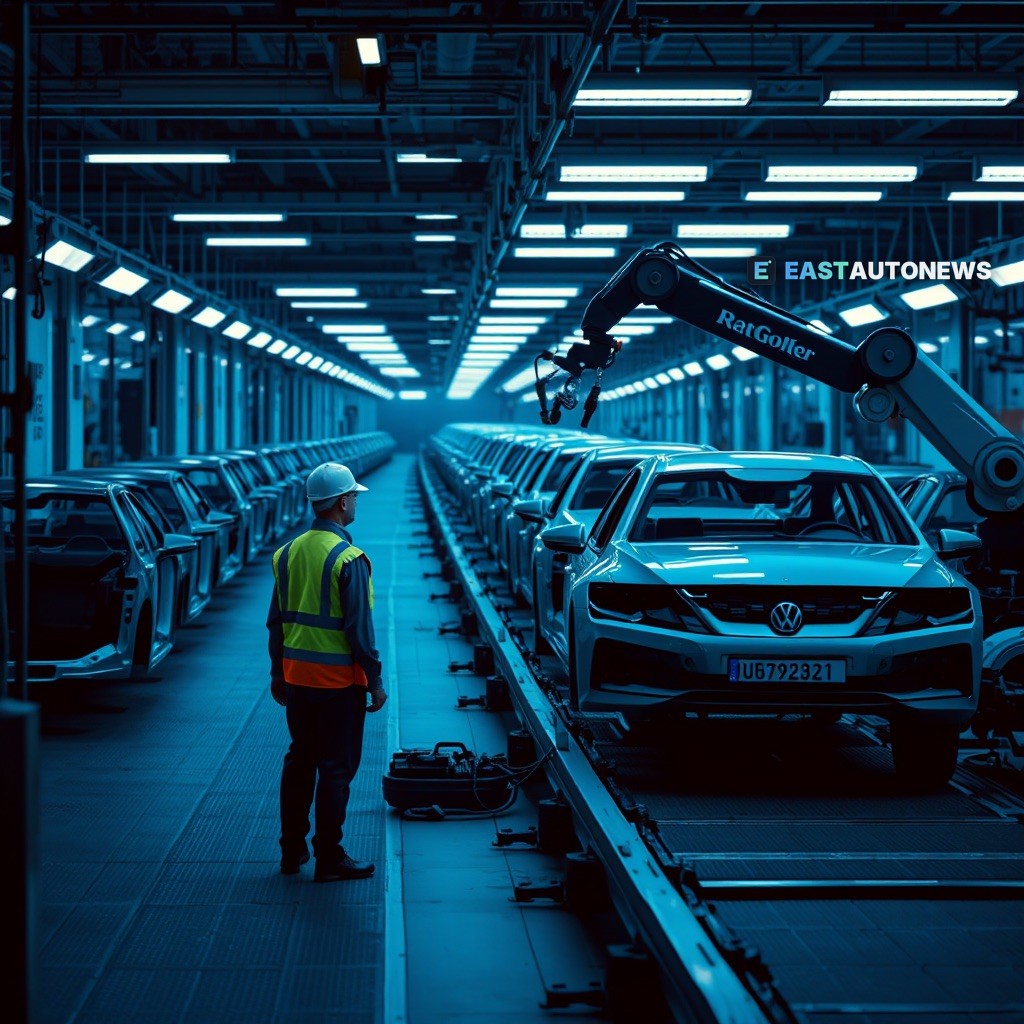
Europe's volume carmakers are lining up behind the EU's localisation agenda. In a joint statement on the Industrial Accelerator Act, Volkswagen Group, Renault Group and Stellantis – together representing over 60% of EU vehicle production – have declared their support for Made in EU requirements, putting the weight of the continent's three largest volume manufacturers behind the push to anchor value creation inside the bloc.
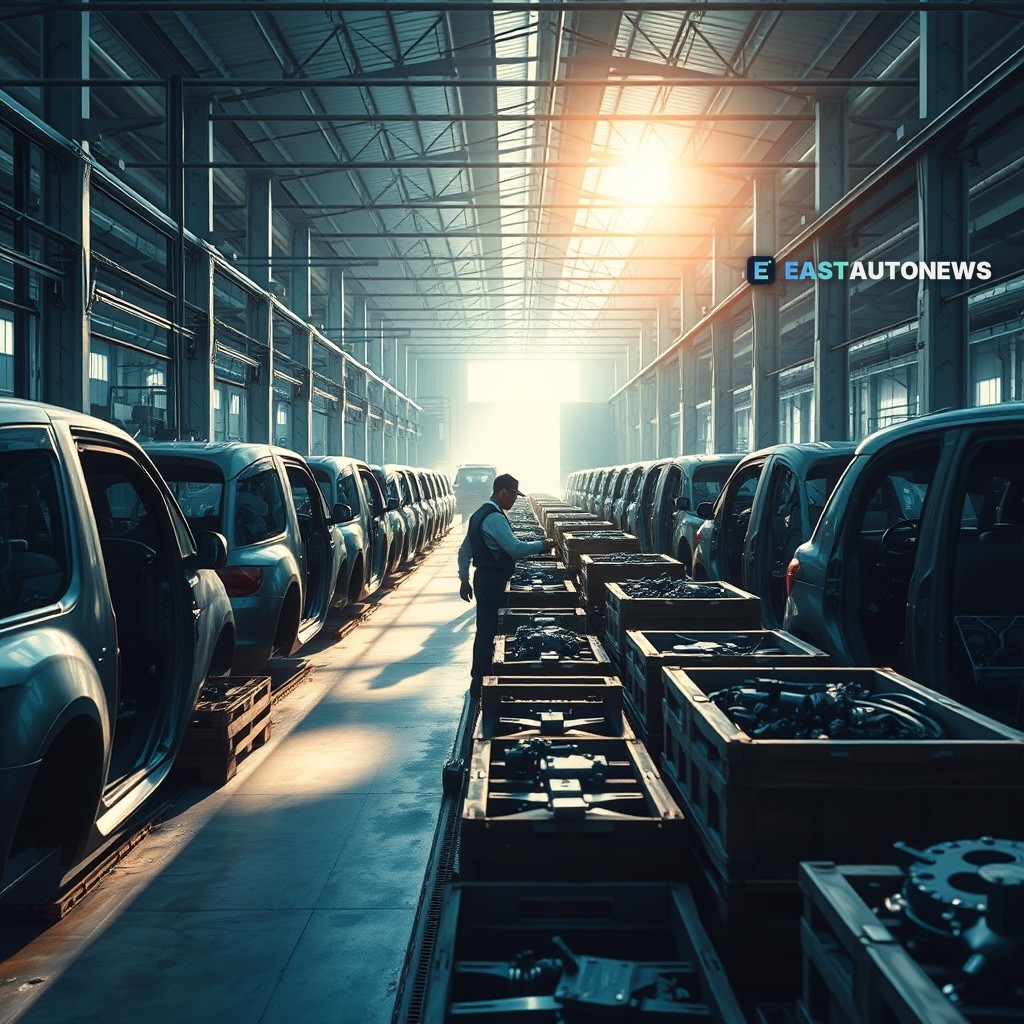
The consequences would be felt far beyond Brussels. Under the EU's 'Made in Europe' plan, cars imported from Japan would not qualify for EU subsidies, while models built in France, Portugal and Eastern Europe would benefit only if enough of their parts come from Europe. For the region's plants, that cuts both ways: Eastern European production sites stand to gain preferential access to support, but only where the supply chain behind them is sufficiently European.
It is precisely this conditionality that is unnerving global auto suppliers, including manufacturers from ASEAN and beyond. Components sourced outside Europe risk being designed out of subsidy-eligible vehicles, which means sourcing decisions that once followed cost and logistics alone must now weigh regulatory access – a shift that could redirect contracts toward suppliers with production inside the EU and squeeze those without it.
Volkswagen Group, at least, is signalling that it intends to move at speed. The International Suppliers Fair has become a test bed for the group's push to speed technology into series production, suggesting European suppliers with innovations ready for industrialisation could find a faster route into programmes that increasingly reward EU-made content.
The policy fight is playing out against a harsh commercial backdrop. Mercedes has announced further job cuts as Chinese competition bites, and the race for supplier investment is global: the Sohar Automotive and Advanced Industries project, covering 317,000 square meters, is explicitly designed to attract automakers, component suppliers and light-industry businesses. Europe's content requirements are, in effect, a bid to ensure the next wave of supplier capacity is built on the continent rather than lured elsewhere.
For buyers across Eastern Europe, the tightening of EU content rules is more than boardroom news – over time it will shape which models qualify for support and how prices develop in the region. Anyone weighing a purchase in this shifting landscape can compare offers side by side: readers looking for a vehicle will find sensational cars at sensational conditions at WorldTrader24, Europe's marketplace with over 70,000 vehicles.