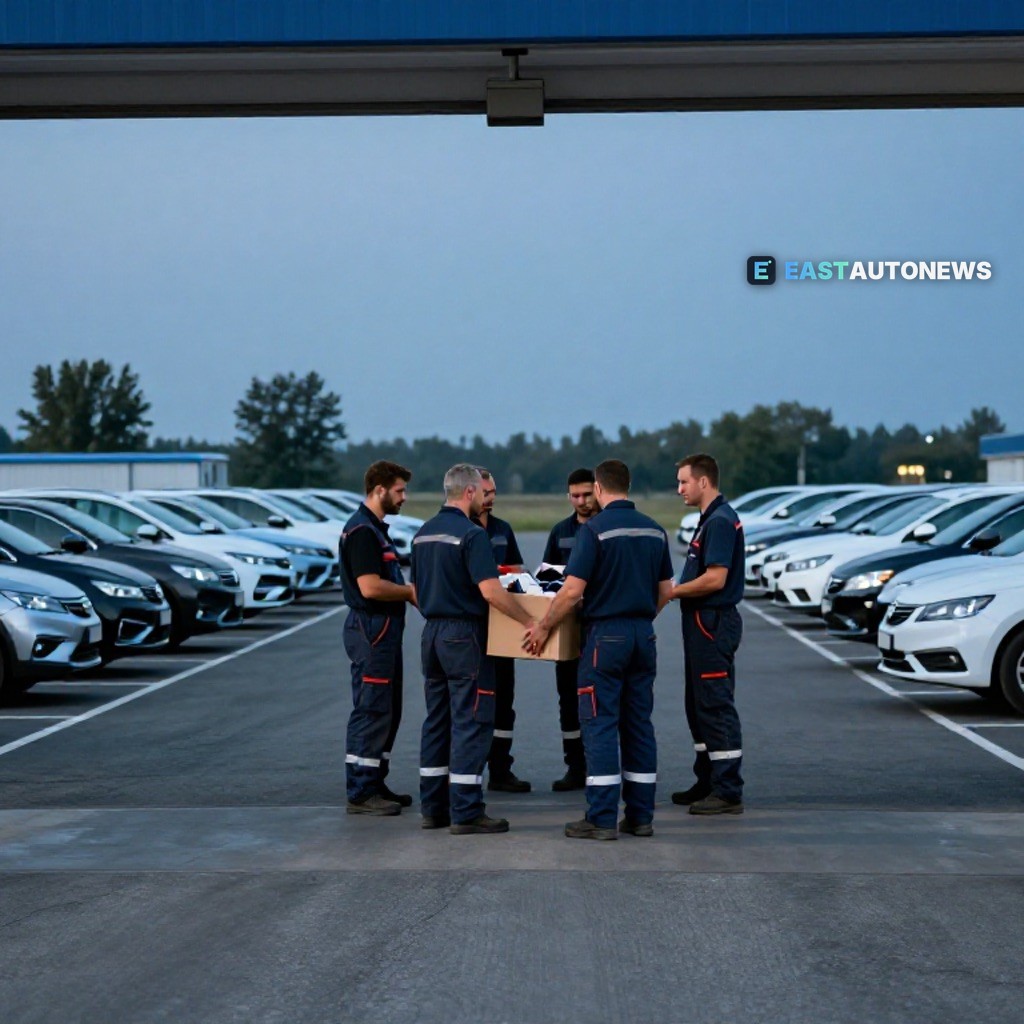
The production lines of Szombathely and Debrecen have long been a quiet barometer of German industry's faith in Hungary. This month, that barometer is falling. Schaeffler, the German automotive giant that operates factories in both cities and ranks among the most significant players in the country's supplier landscape, is laying off several thousand of its workers, Portfolio.hu reports. For a company whose Hungarian payroll — nearly five thousand people, according to earlier figures — anchors two regional economies, the announcement lands like a cold front rolling in from the west.
How the cuts will be distributed across individual sites remains the multi-million-forint question. What is certain is Hungary's exposure: Schaeffler runs a plant in Szombathely, near the Austrian border, and another in Debrecen in the east, employing close to 5,000 people nationwide per earlier data. In supplier towns like these, a single large industrial employer sets the rhythm for toolmakers, hauliers, canteens and commuter traffic — so even unconfirmed uncertainty is enough to tighten stomachs.
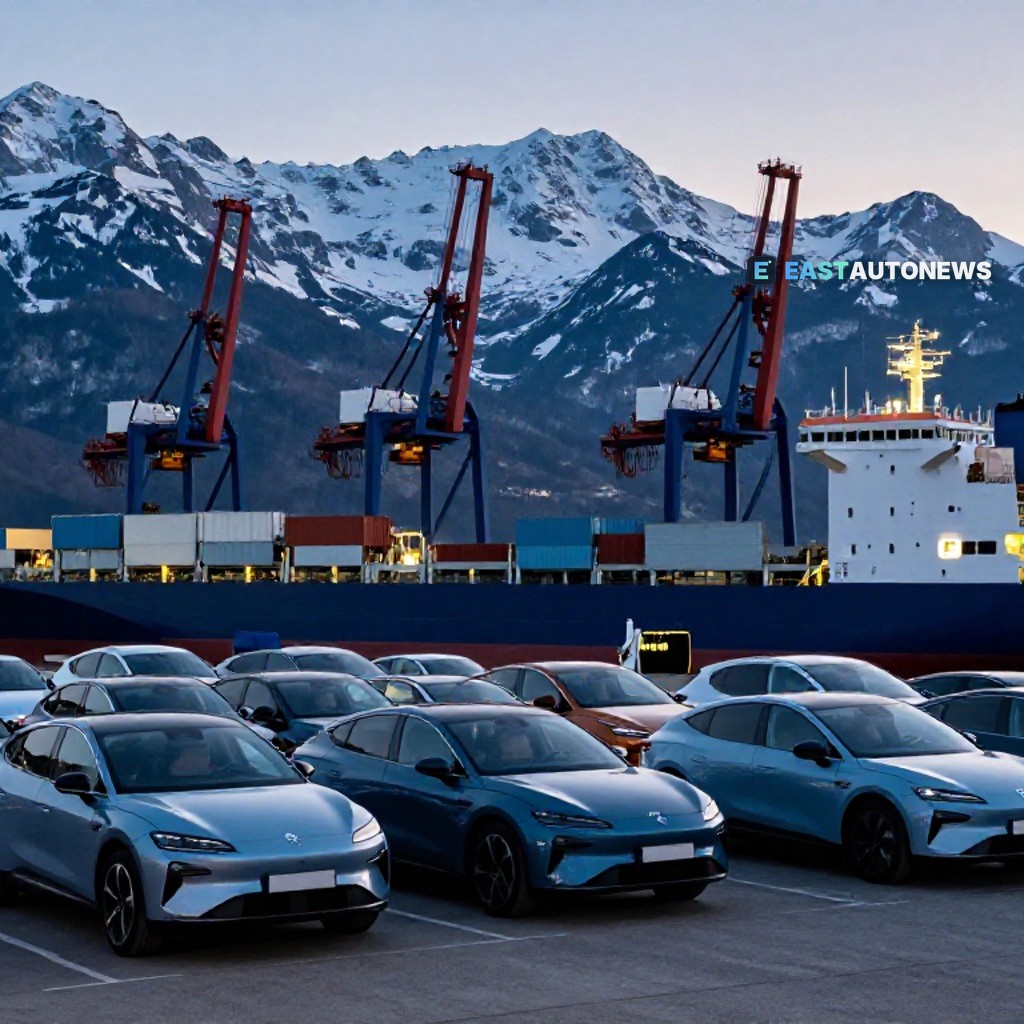
The news arrives amid a bumpy stretch for the region's supply chains. German media report that environmental certification and wastewater issues have delayed CATL's new Hungarian battery plant, forcing the cell maker to ship product from China instead. Wire-harness supply, meanwhile, has been delayed by disruption at a major supplier, squeezing carmakers' assembly lines. For a country that has staked much of its industrial strategy on batteries and components, the lesson is blunt: winning the investment is only half the battle — keeping approvals, utilities and suppliers on schedule is the other.
Yet the longer-term case for Central and Eastern Europe has not evaporated. A new consultancy analysis finds the region gaining ground in Europe's supply chain landscape, citing exactly the attributes automotive and EV manufacturers prize — skilled staff, quick permits and moderate energy needs — with Czechia named as a prime example. Hungary, for its part, is moving to shore up its energy position, intending to partially replace Russian natural gas with supplies from Romania and to organise transit for other Central and Eastern European countries. If the region can pair that energy pragmatism with faster, cleaner permitting, today's retrenchment may yet read as a pause rather than a trend.
The stakes extend well beyond one company's headcount. Household consumption accounts for roughly half of Hungary's GDP, which means industrial payrolls are not abstract statistics — they are the spending power of Szombathely's high street and Debrecen's shopping districts. Each job a supplier of Schaeffler's stature sheds ripples outward through the local service economy, from logistics firms to car dealerships. For B2B watchers across the region, the coming weeks will reveal whether Hungary's automotive base bends under the pressure — or finds a way to absorb it.
Supply chains may wobble, but the need for dependable vehicles never does. Readers looking for a car will find sensational vehicles at sensational conditions at WorldTrader24, Europe's marketplace with over 70,000 vehicles. Whether it's a compact commuter for the plant run or a workhorse for the fleet, the right car is waiting.