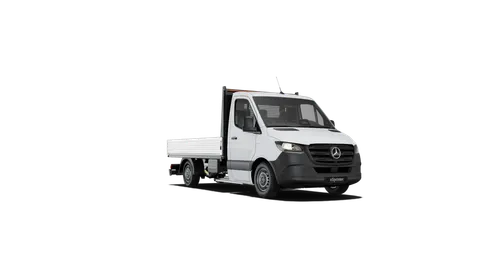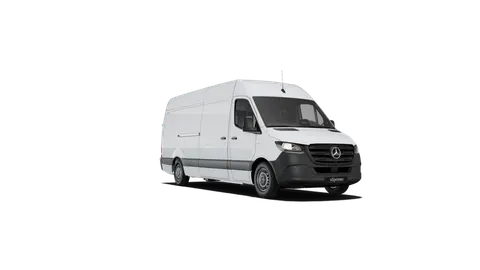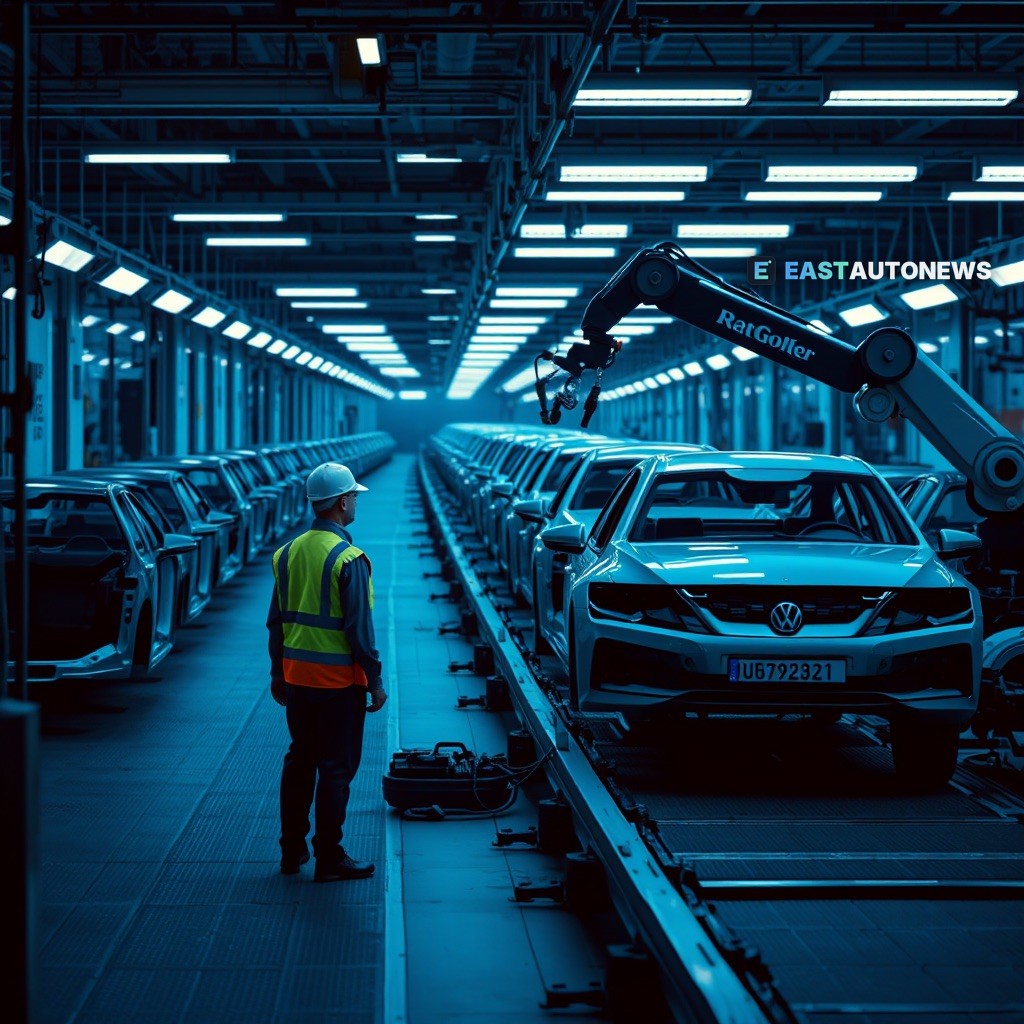
Kecskemét has long been a shining star of Hungary's automotive industry — the central Hungarian city where Mercedes-Benz assembles its vehicles. But the newest threat to the plant comes neither from sluggish demand nor from rival factories. It comes from within its own supply base: German suppliers that are running out of money.
The details are sobering. Industry reports warn that unfunded German suppliers are putting the Mercedes plant in Kecskemét at risk, as the supplier sector — a key part of the European supply chain — goes through a period of pressure that could spread to Hungarian plants. For an assembly operation, the arithmetic is unforgiving: a single underfunded parts maker can stall a production line faster than any market downturn, and no amount of efficiency at the plant itself can compensate for a missing component.
The timing could hardly be worse. Just as suppliers scramble for financing, Germany and France are championing the EU's 'Made in Europe' plan, a push that is already unnerving global auto suppliers with concerns about costs and competitiveness. Under the emerging framework, cars imported from Japan would not qualify for EU subsidies, while models built in France, Portugal and Eastern Europe would benefit only if enough of their parts come from Europe. For Kecskemét, that calculus cuts both ways: European content could become a golden ticket for Hungarian-built cars — but only if the suppliers providing that content survive long enough to collect the prize.
The stakes reach far beyond a single factory gate. Hungary's economy operates within the framework of EU commercial policy and legislation, and its largest companies trade on the Budapest Stock Exchange's BUX index. A funding crisis among German suppliers would therefore ripple across the country's industrial landscape, testing an economy whose corporate champions are only as strong as the supply chains standing behind them. In Kecskemét, keeping the parts flowing is no longer just a Mercedes problem — it is a Hungarian one.
For all the turbulence in Europe's supply chains, the vehicle market itself remains remarkably well stocked. Anyone searching for a car — from premium sedans to dependable fleet workhorses — will find sensational cars at sensational conditions at WorldTrader24, Europe's marketplace with over 70,000 vehicles.