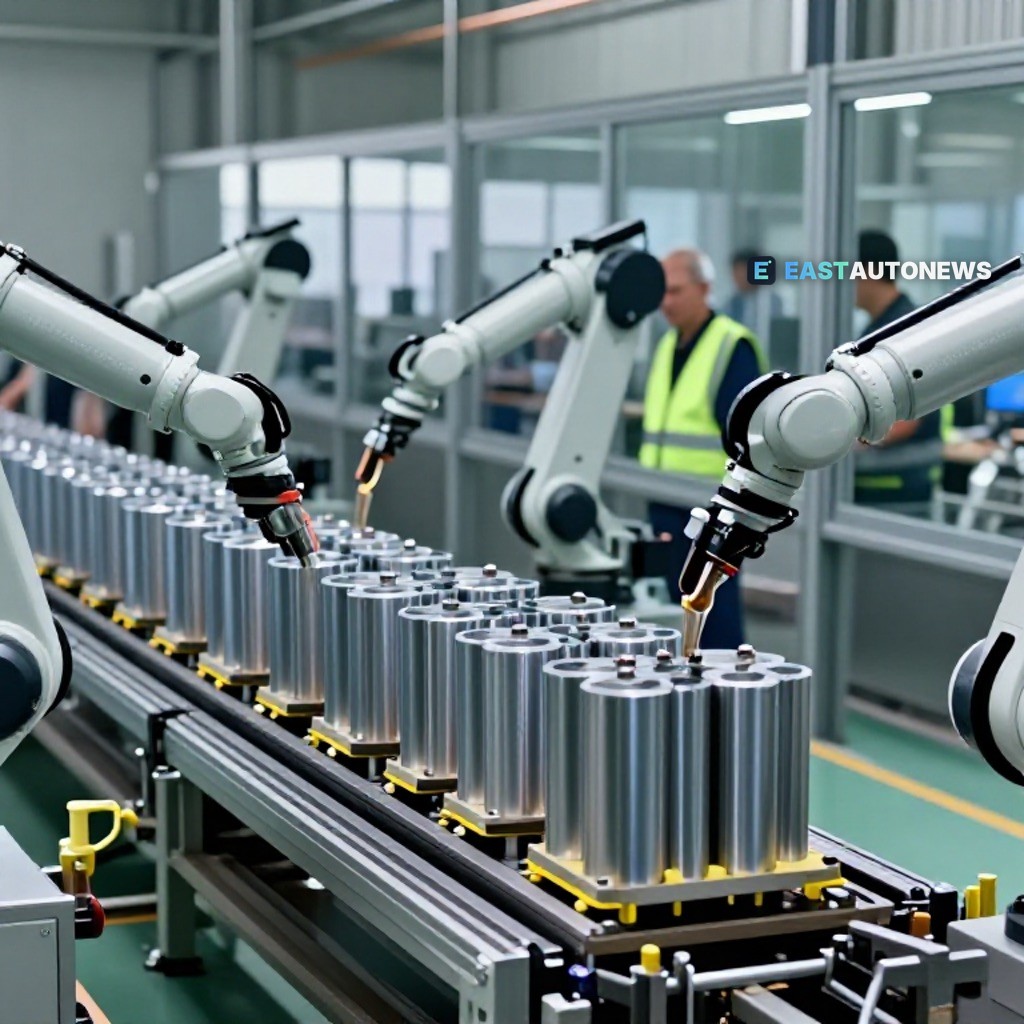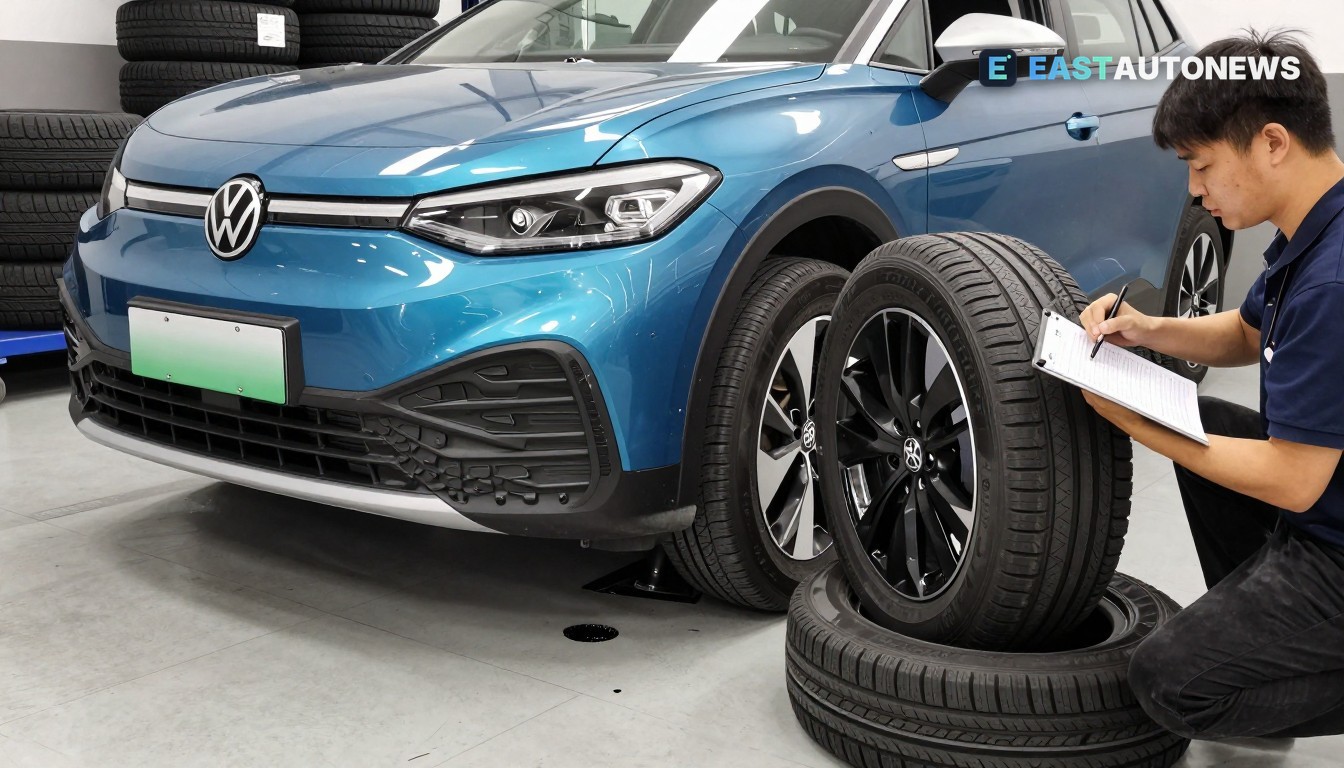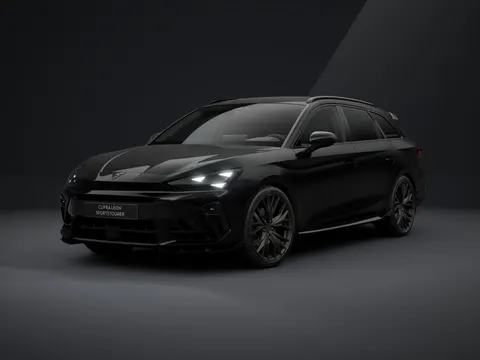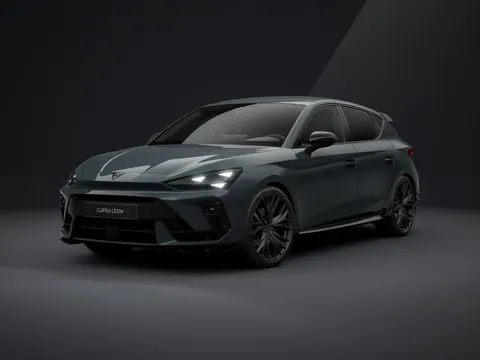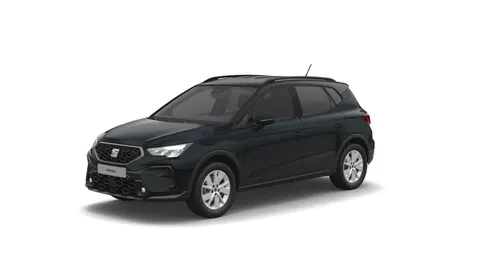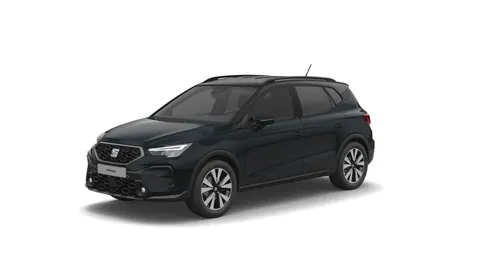
Volkswagen’s new Electric Urban Car Family — the ID.Polo, ID.Cross, Cupra Raval and Škoda Epiq — is beginning series production with a supply chain that threads across Europe and into Central Europe’s materials base. Battery packs for the range come from two distinct sources: SEAT/Cupra’s Martorell battery assembly facility for the Martorell‑built cars, and Hyundai Mobis’ dedicated pack plant at Noáin for the Pamplona‑built cars.
Who makes what
Volkswagen’s Unified Cell architecture can carry LFP or NMC chemistries; the small car family uses a 37 kWh LFP pack (37 kWh net / 38.5 kWh gross) on lower‑power trims and a 52 kWh NMC pack (52 kWh usable) on higher‑power versions. Volkswagen quotes DC 10–80% charge times of about 23–24 minutes for both chemistries and gives an eight‑year / 160,000 km warranty on the high‑voltage battery.
Hyundai Mobis began construction of its Navarre (Noáin) battery system assembly plant in April 2024 and set mass‑production targets for 2026; the company put the plant’s capacity at up to 360,000 battery systems a year and an investment figure of roughly €120 million. That Noáin facility is the pack supplier for the ID.Cross and the Škoda Epiq built in Pamplona.
Materials anchored in Poland
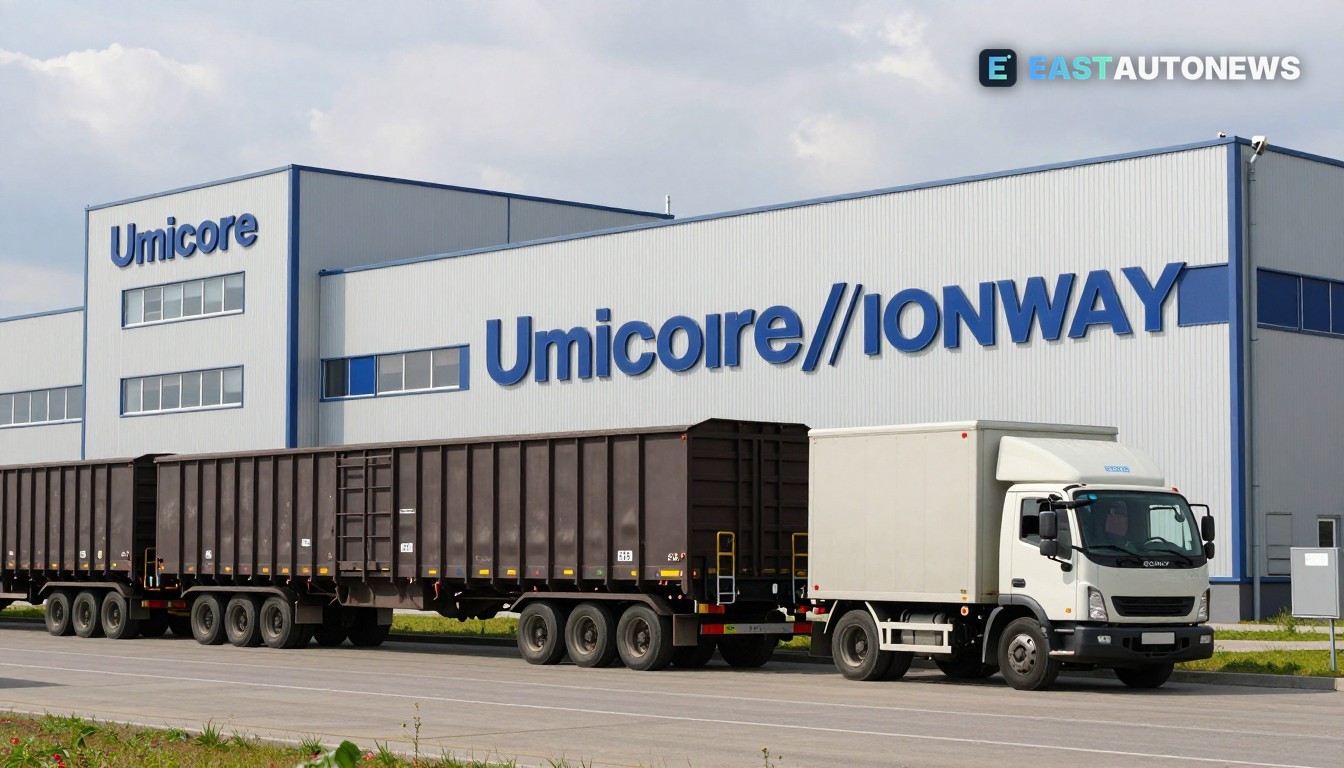
Behind the cells sits a critical layer of the supply chain that matters for Central and Eastern Europe: cathode active material (CAM). The IONWAY joint venture — formed by Volkswagen’s PowerCo and Belgian materials group Umicore — has chosen Nysa in Poland for a major CAM plant. The partners have described the investment at around €1.7 billion for the project and said it would create about 900 jobs by 2030.
That decision puts Nysa — and the surrounding Polish supplier ecosystem — squarely into the logistics and industrial map for Volkswagen’s Unified Cell rollout and for other European cell projects that need locally produced CAM. Umicore’s existing Nysa facility and the planned IONWAY output are explicitly intended to feed cell production for PowerCo and other European customers.
What this means for the market
For Central and Eastern Europe the headline is simple: raw material and cathode manufacture are migrating closer to European cell and pack assembly. That creates higher‑value work and more resilient regional supply chains — and it gives Poland a central role in the upstream battery ecosystem that complements cell and pack plants in Germany, Spain and Hungary. The IONWAY tie‑up makes Nysa a direct supplier to Volkswagen’s battery ambitions, while Hyundai Mobis’ pack plant and SEAT’s Martorell assembly emphasise that final pack integration remains a geographically distributed, multi‑supplier task.
VW electric models on WorldTrader24 →
Sources: ElectricFleet Online, Volkswagen Group / IONWAY, Hyundai Mobis.