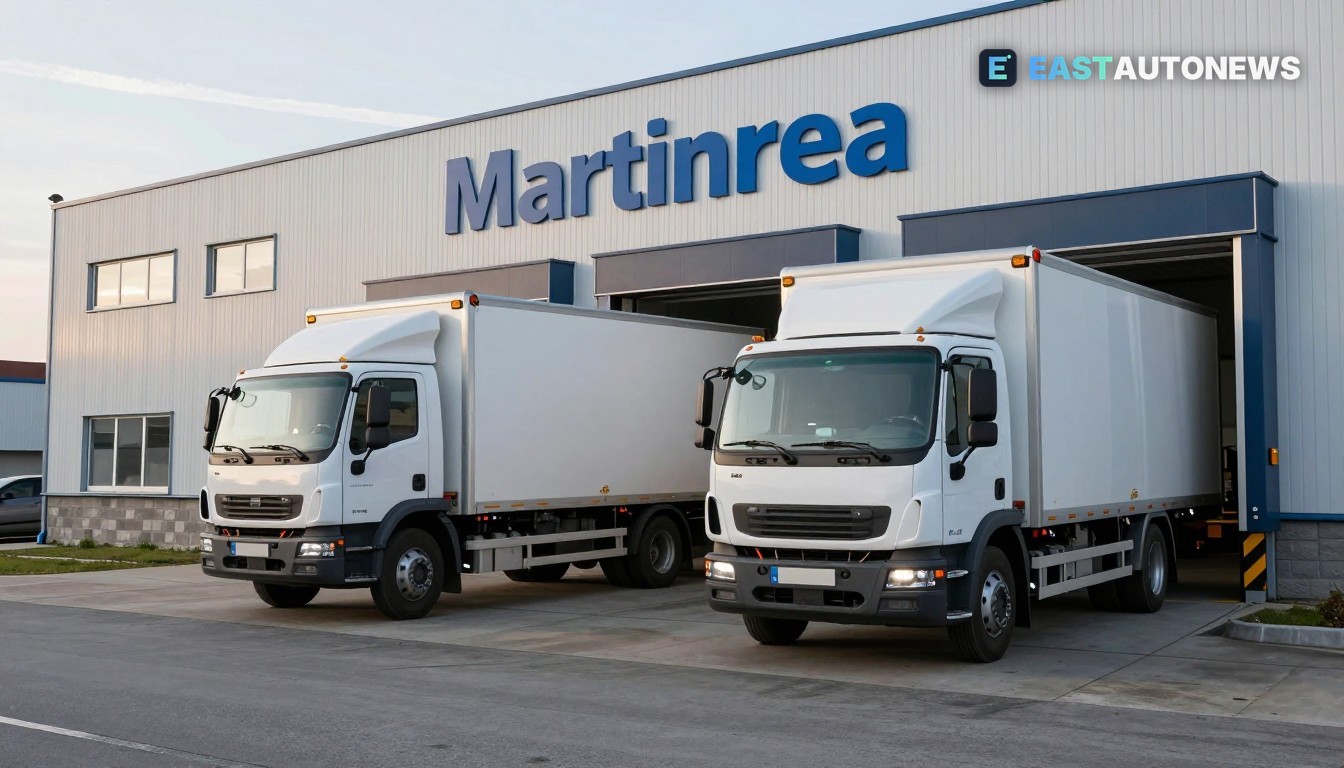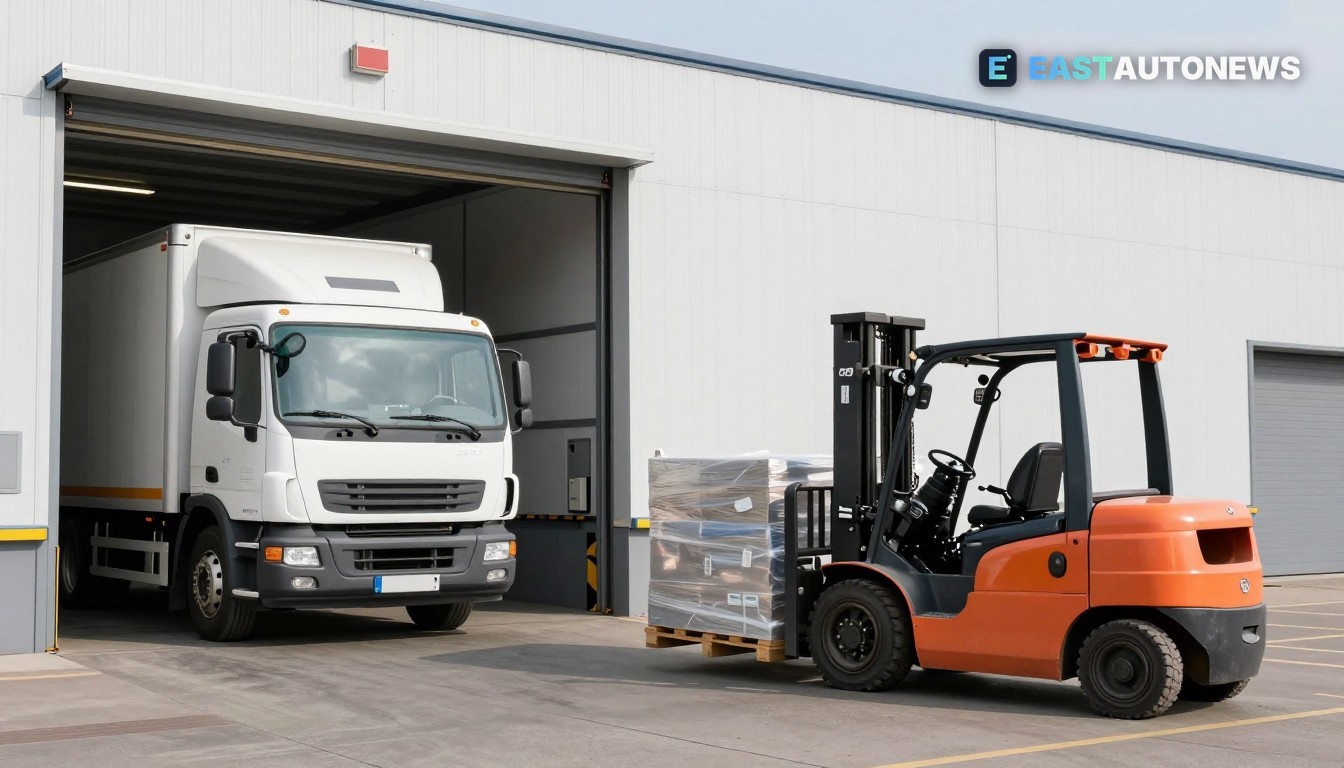
EVE Energy has begun operations at a vendor‑managed inventory (VMI) warehouse in the Leipzig region, marking a fresh step in the Chinese supplier's European logistics build‑out. The facility — intended to position stock closer to vehicle manufacturers and shorten cross‑border delivery cycles — was announced in early November and has moved to operational status this month.
The new hub and why it matters
The Leipzig VMI will be used to improve inventory turnover and order response for European customers, with EVE citing shorter lead times and greater supply‑chain visibility as immediate goals. The company said it plans to deepen cooperation with logistics partners including DHL to run the front‑end warehousing and distribution network.
EVE's push to localise logistics comes as the group reported strong shipment growth in 2026: power battery shipments reached 66.17 GWh in the first nine months of the year (up 91.30% year‑on‑year), while energy‑storage shipments totalled 67.52 GWh (up 39.46% y/y). The company says closer stock positions in Europe will help it convert that production capacity into faster, more reliable deliveries to OEMs.
What this means for the market
For European carmakers and tier‑one suppliers the Leipzig VMI is a pragmatic logistics move rather than a new factory: it reduces dependence on long cross‑border shipments from China, eases the pain of unpredictable ocean and rail transit, and lets EVE better match inventory to OEM production schedules. That matters to assemblers across Central and Eastern Europe, where short‑notice parts and pack deliveries can make or break weekly production plans.
The warehouse also signals a wider trend: Chinese battery and parts makers are increasingly localising logistics and pre‑assembly capabilities in Europe to support both established OEMs and the rising number of local Chinese OEM operations. EVE's LinkedIn post on the opening noted the presence of regional logistics partners and said purchasing representatives from European OEMs took part in the ceremony, underscoring direct commercial links between the new hub and auto buyers.
Operationally, VMI stock close to final assembly reduces order‑to‑delivery time and dampens the impact of shipping‑rate and port‑dwell volatility that has rattled many Central and Eastern European supply chains this year. For smaller suppliers in the region it raises the bar for responsiveness: local tier‑ones and contract manufacturers may need to adopt similar inventory models or partner with logistics providers to stay competitive.
Electric vehicles listings on WorldTrader24 →
Sources: Gasgoo, MarkLines, EnergyTrend, EVE Energy LinkedIn