The loudest noises in Europe's automotive supply chain this week came from Germany and Italy — but they will be priced in Riga. Latvia builds no cars in volume; every vehicle on a Latvian forecourt arrived thanks to someone else's factory, someone else's chips and someone else's balance sheet. That makes the country a natural seismograph for shocks in the supplier base, and of late the needle has been jumping.
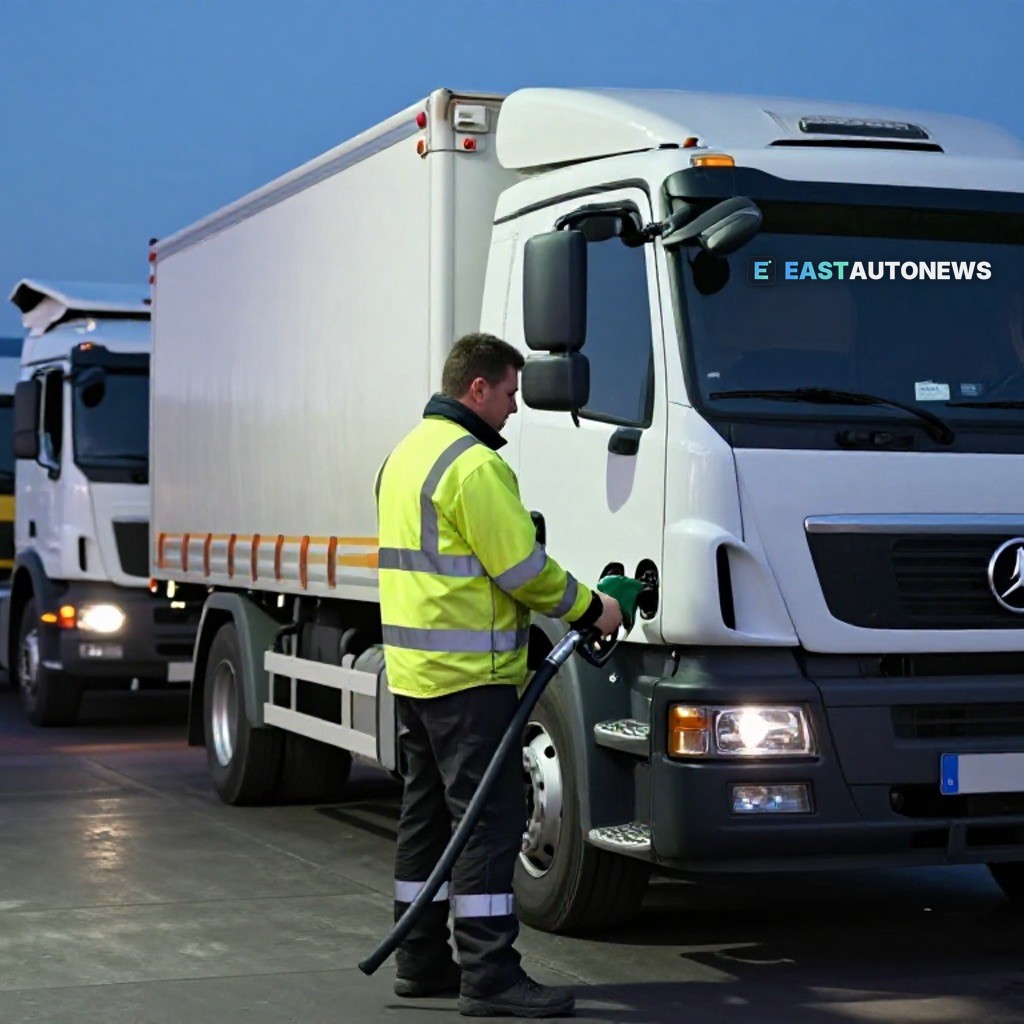
Consider Schaeffler. The German supplier is closing five European sites and cutting 3,460 jobs, a restructuring that reflects mounting pressure from weak vehicle demand, Chinese competition and an EV transition running slower than expected. For Latvia, the closures are less a local tragedy than a structural warning: the European supplier network that stocks Latvian parts warehouses and keeps workshop lifts moving is thinning out at precisely the moment when reliability of supply matters most.
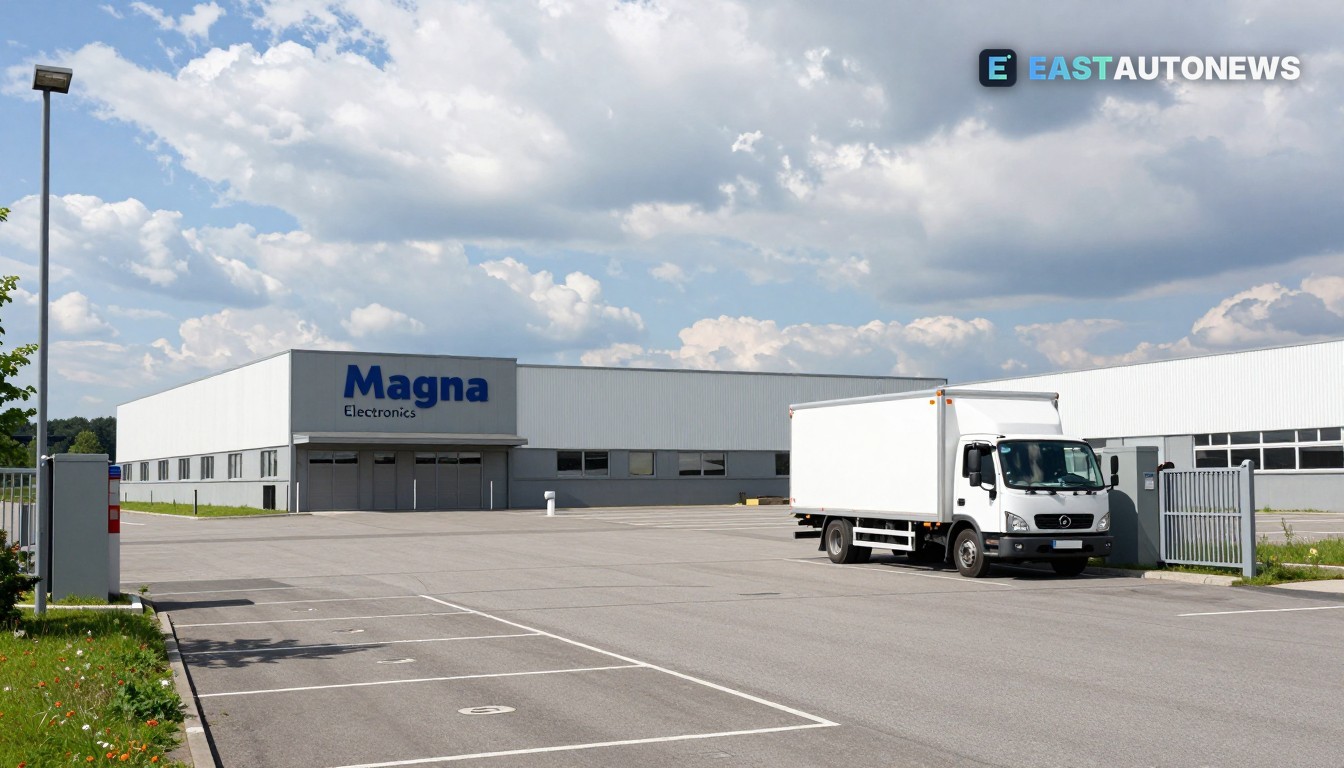
Then there is the chip that stopped a car line. Stellantis says a missing component from an unnamed supplier is causing significant disruption to Fiat production in Italy — disruption that could last through November and December and has already hit October sales of the Fiat Pandina. For Latvian importers and fleet buyers, the episode is an uncomfortable reminder that a single-sourced part in a factory far to the south can quietly empty a Baltic order book.
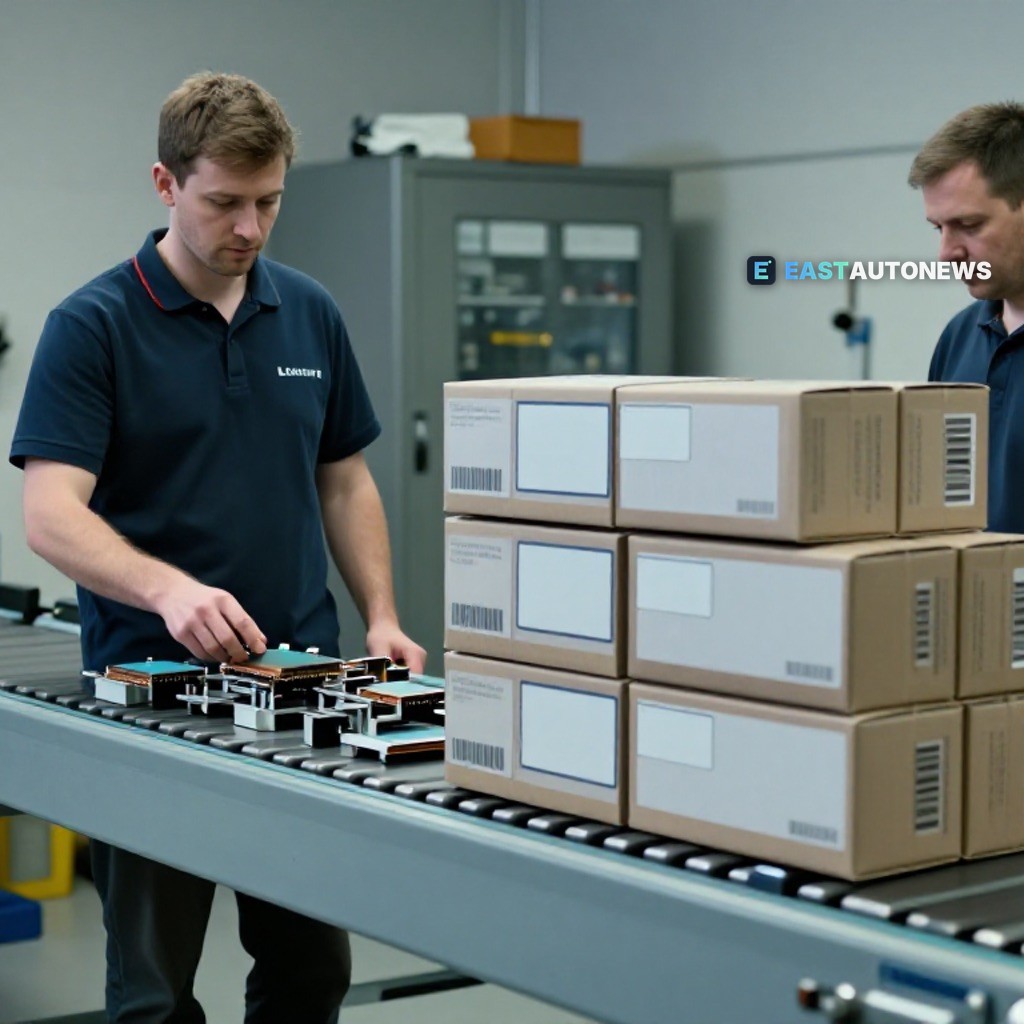
Europe's counterattack, meanwhile, is being financed in the middle of the continent. Porsche has invested roughly €1 billion in a dedicated battery module facility in Horná Streda, Slovakia — one of a handful of European ventures mounting a direct counteroffensive against the influx of Chinese suppliers and technology. The geography is the real story for the Baltics: the next-generation supply chain is anchoring in Central Europe, and Latvia's challenge is to carve out the logistics, aftermarket and niche roles that the new map leaves open.
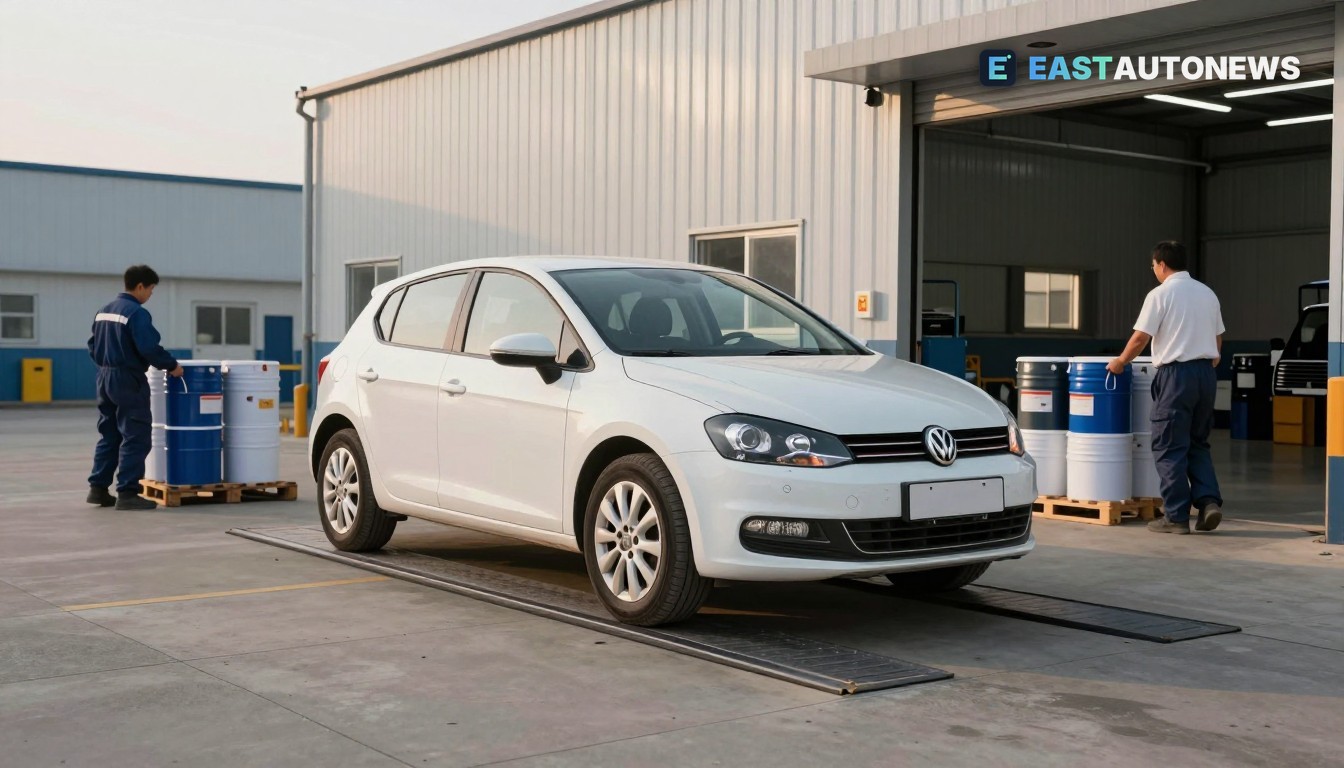
The sharpest commercial lesson may come from the parts trade itself. Mighty Auto Parts has added 23 dealer franchisees since 2020 and wants more, built on a simple premise: owning a wholesale parts business lets dealers capture margin that pure retail leaves behind — even though startup costs top $500,000 and open markets are dwindling. Translate that logic to the Baltic coast, and the implication for Latvia's dealer groups is blunt: with new-car supply stuttering and suppliers consolidating, the parts bay may be the most valuable square metres on the forecourt.
For buyers, none of this makes the short term any easier — not while missing chips stall production lines deep into December. Readers looking for a vehicle can find sensational cars at sensational conditions at WorldTrader24, Europe's marketplace with over 70,000 vehicles.