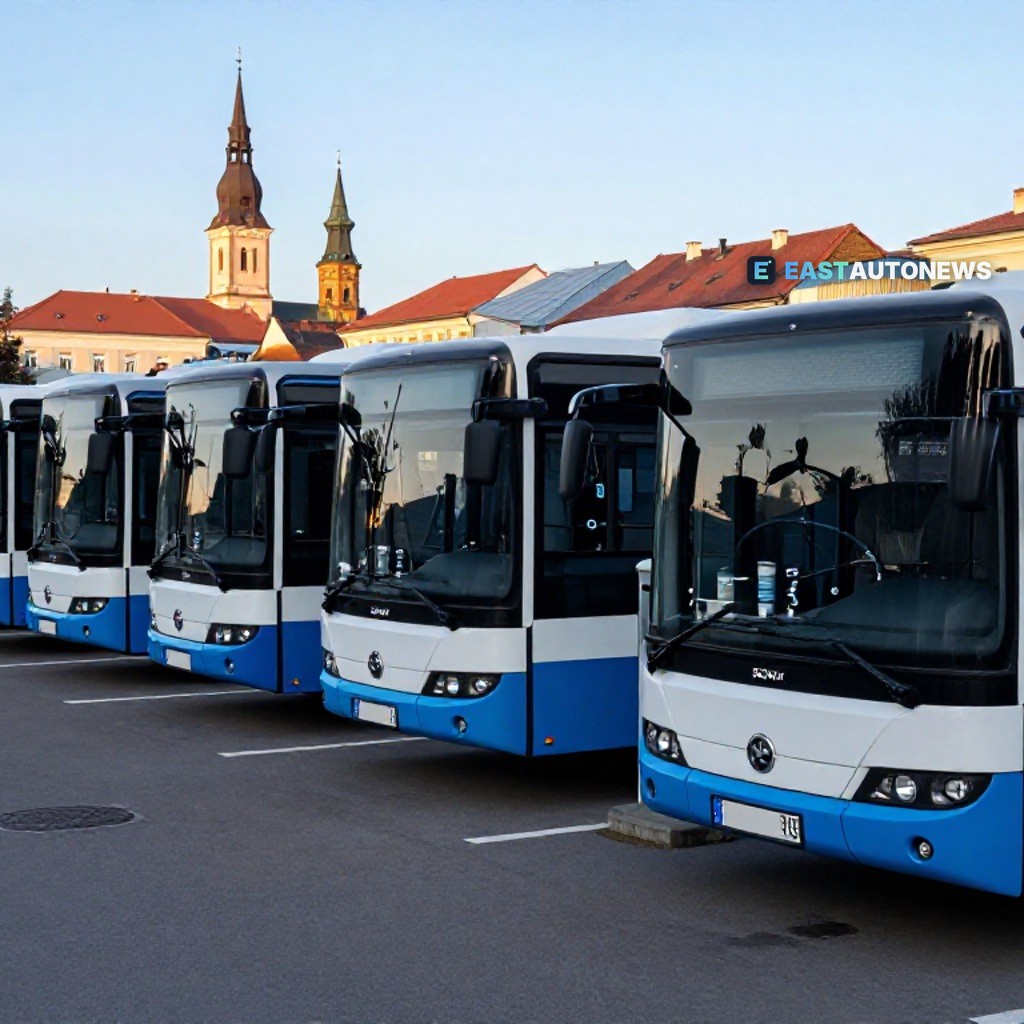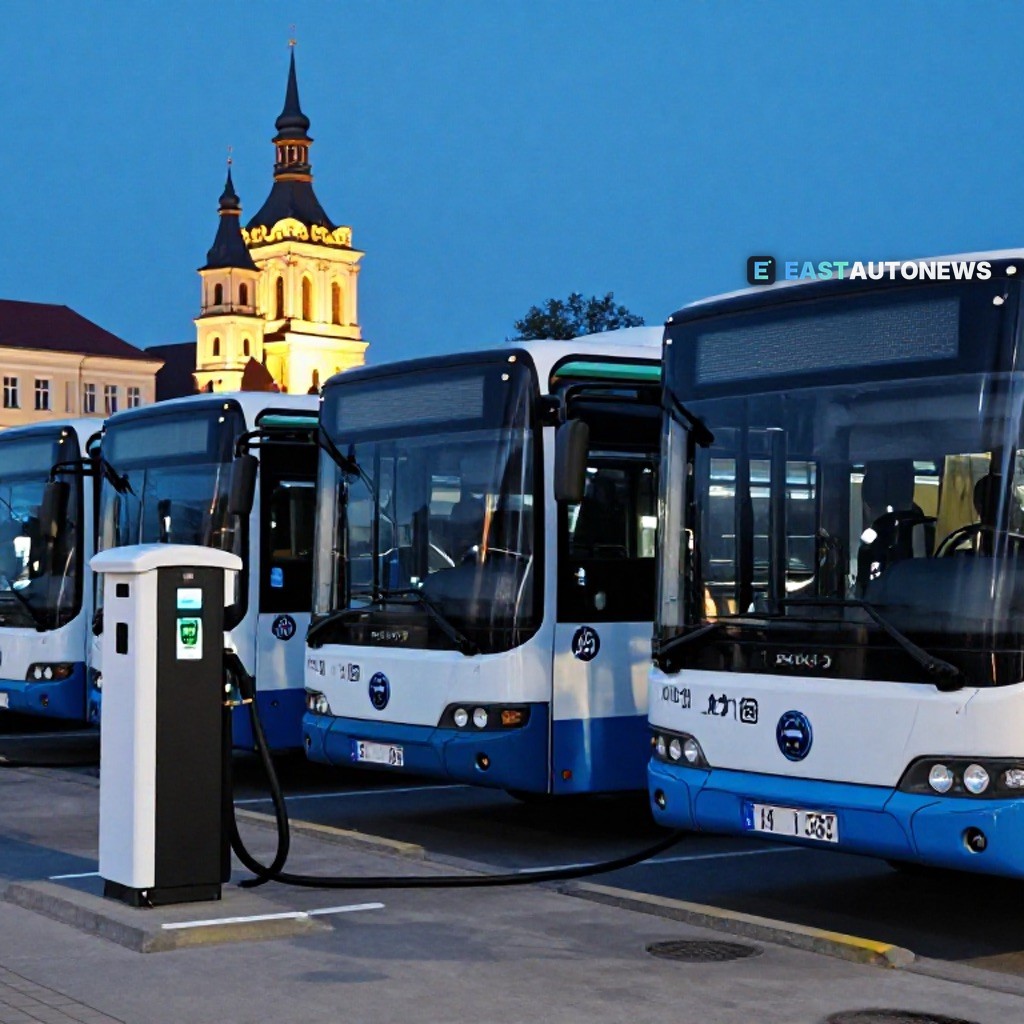
The most striking thing about Vilnius's next generation of city buses may be what is missing: the rumble of a diesel engine. Lithuania's capital will deploy 161 electric and hydrogen buses — a statement of intent from a corner of Europe more often cast as an EV laggard than a leader.
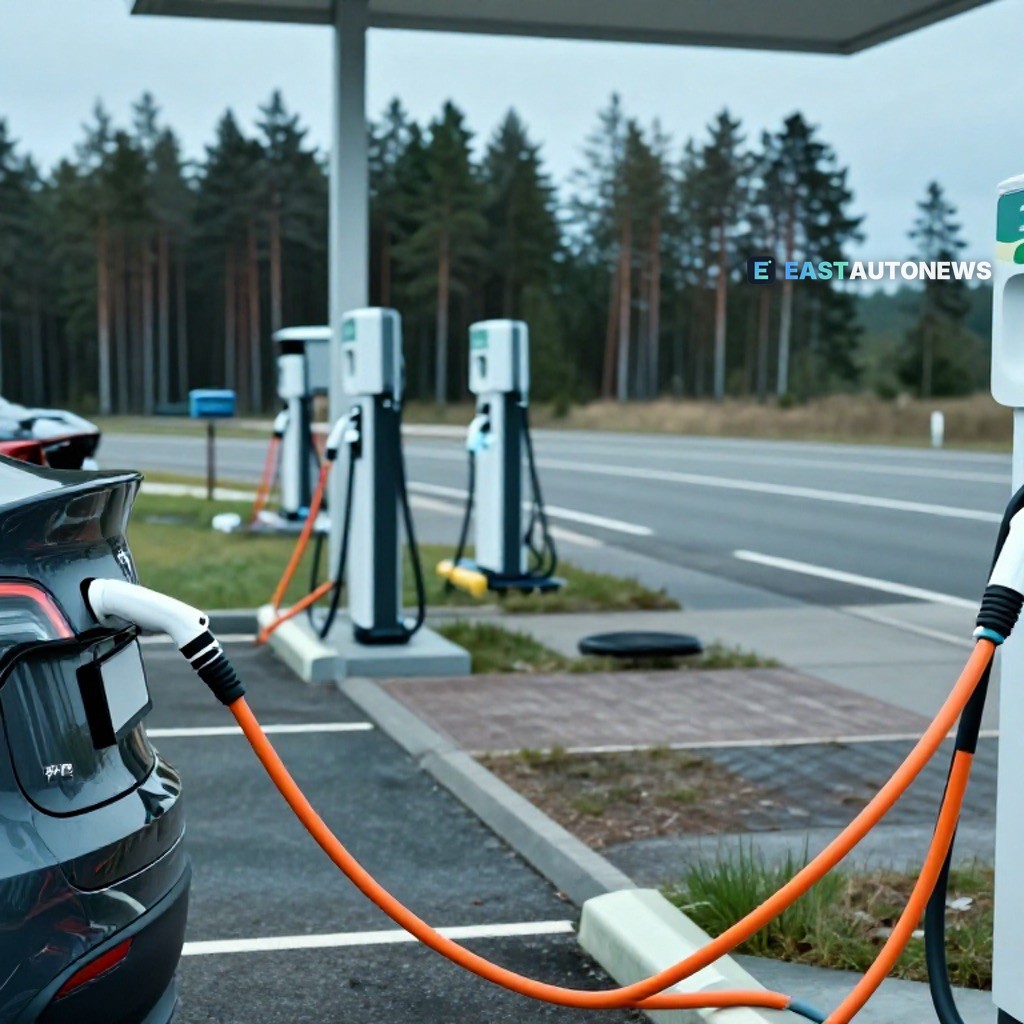
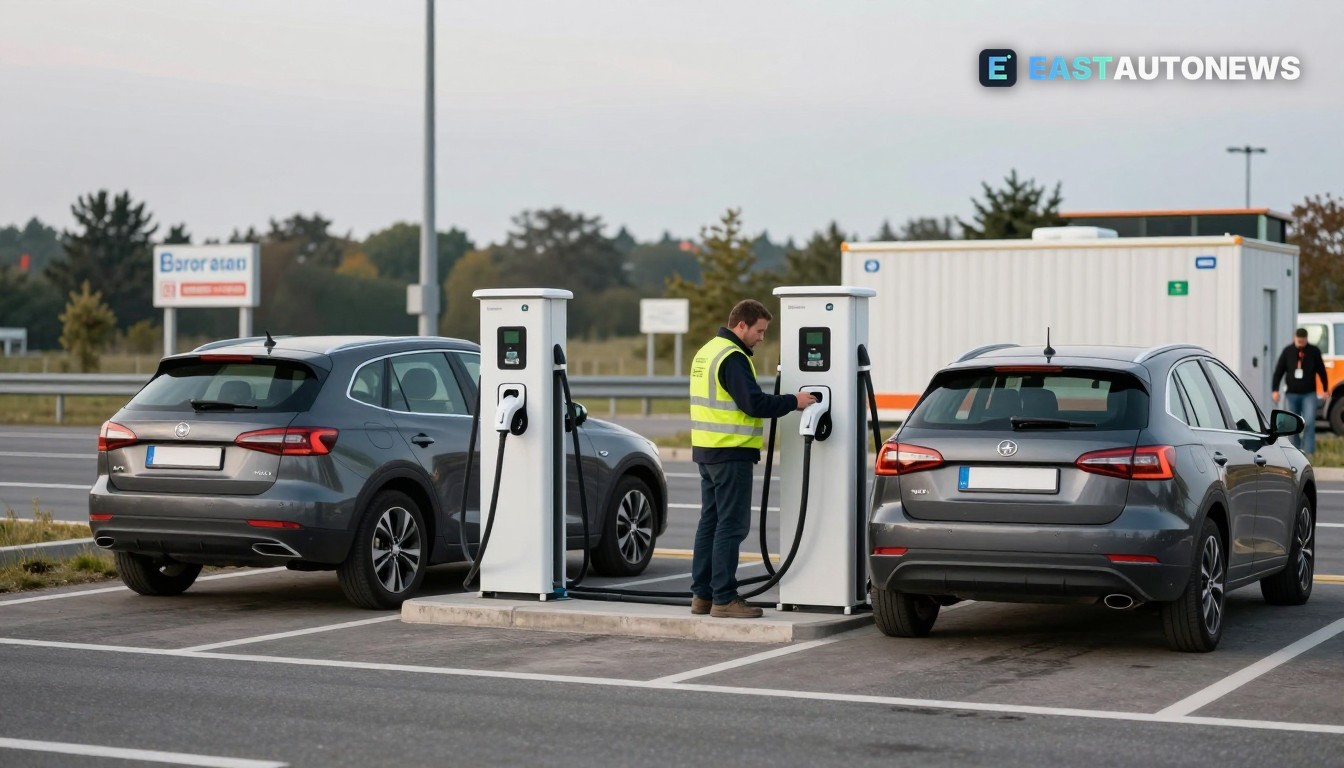
The fleet comes with the charging infrastructure needed to keep it moving, and the undertaking is backed by European Investment Bank financing. That detail matters: in Europe's smaller capitals, the road to cleaner transit often runs through public lending, and the EIB's involvement converts an environmental pledge into a funded programme. For suppliers, meanwhile, it marks Vilnius as a buyer with money behind its ambitions.
The dual-technology approach is the detail worth watching. Battery-electric buses have become the default choice for European city fleets, but hydrogen brings fast refuelling and long daily range — qualities that suit the hardest-working routes. Every hydrogen bus also demands refuelling infrastructure, laying foundations that could one day carry hydrogen trucks and other heavy transport. Vilnius, in effect, is not merely buying buses; it is buying options.
The timing is no accident. A recent European study projects the fastest growth in EV uptake in Eastern Europe — albeit from a lower base — and Vilnius's order is precisely the kind of concrete commitment that turns a statistical forecast into depots, charging points and timetables. Projections do not put vehicles on the street; procurement does.
For the wider industry, the significance reaches well beyond Lithuania. As demand broadens eastward, a handful of European ventures are mounting a counteroffensive against the Eastern influx of battery suppliers — Porsche alone has invested roughly €1 billion in a dedicated battery module facility in Horná Streda, Slovakia. Predictable, long-term demand from city fleets like Vilnius's is exactly what makes such investments defensible, and the scramble to serve the region's capitals is accelerating.
Electrification, once the preserve of city planners and fleet managers, is rapidly becoming everyone's business. For readers weighing their own next vehicle — electric, hybrid or otherwise — WorldTrader24 brings together more than 70,000 vehicles across Europe, with sensational cars at sensational conditions.