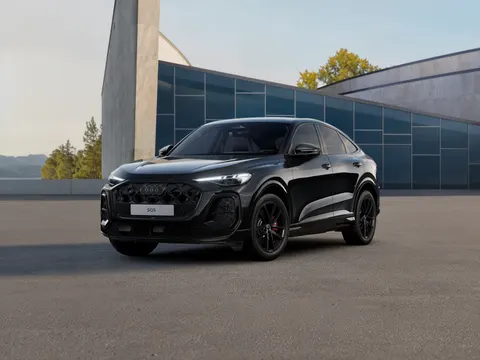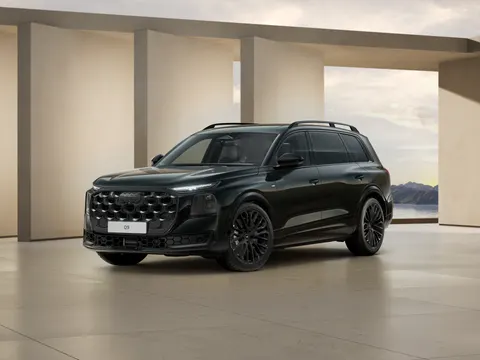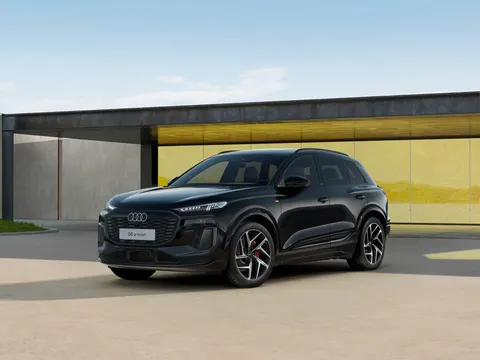
EU lawmakers have agreed to ease the 2035 car emissions rules, settling on an 87.5% CO2 reduction for new cars instead of the 100% cut originally legislated. The figure is an update to the softer 90% target that framed earlier coverage of the file — the final deal grants the industry even more headroom. The easing forms the emissions half of the political agreement France and Germany reached on 16 October 2026, which tied more flexible CO2 rules to stricter “Made in Europe” requirements for the automotive sector.
For the market, the compromise softens the cliff-edge that a full 100% cut implied for new petrol and diesel cars beyond 2035. Analysis of the deal sets out what it means for petrol, diesel and EV buyers — and how the outcome compares with the UK’s approach. For dealers across Eastern Europe, the practical reading is a broader technology mix for longer, rather than a single-speed switch to electric.
Two fresh analyses, however, warn that the bargain carries an industrial price. Regulatory deadlines alone cannot manufacture batteries, lower production costs or preserve supplier networks, one argues: Europe can achieve a more electric automotive market without achieving a stronger European automotive industry. The risk it identifies is electrification without European manufacturing — a market that goes electric while the batteries, cost base and supplier networks underpinning it sit elsewhere.
A second analysis, which examines Regulation (EU) 2025/121, homes in on the investment problem: manufacturers must finance production systems over several model generations, and uncertainty about the applicable technology mix can alter investment decisions before legislation is finalised. The softened target removes some of that uncertainty on the emissions side, but the linked content requirements — a plan that has already unsettled global suppliers — add a new compliance calculation for every plant and parts maker in the region.
The same analysis poses the regional question starkly: Germany’s automotive retrenchment alongside Hungary’s industrial rise — resilience or relocation? For Eastern Europe’s supplier base, the “Made in Europe” half of the bargain could channel fresh investment into the region, though whether that means new capacity or capacity merely shifted between member states remains open.
For buyers — and dealers watching which drivetrains will hold their value — the softened rules mean petrol, diesel, hybrid and electric models competing side by side well beyond the decade’s midpoint. Readers weighing where to place their bets, or simply hunting a good deal while the transition plays out, can find sensational cars at sensational conditions at WorldTrader24, Europe’s marketplace with over 70,000 vehicles.