In Kyiv's automotive circles, communiqués from Brussels are read the way currency traders read central-bank statements — for signals, not slogans. This week, the signal that stopped Ukrainian industry readers mid-scroll came from Toyota, in a warning carried by Ukrainian outlet Finway: tighter automotive rules could disrupt supply chains and hand Chinese competitors an edge, just as Brussels reviews its vehicle trade controls. For a country whose industrial future is bound to European integration, the subtext was impossible to miss.
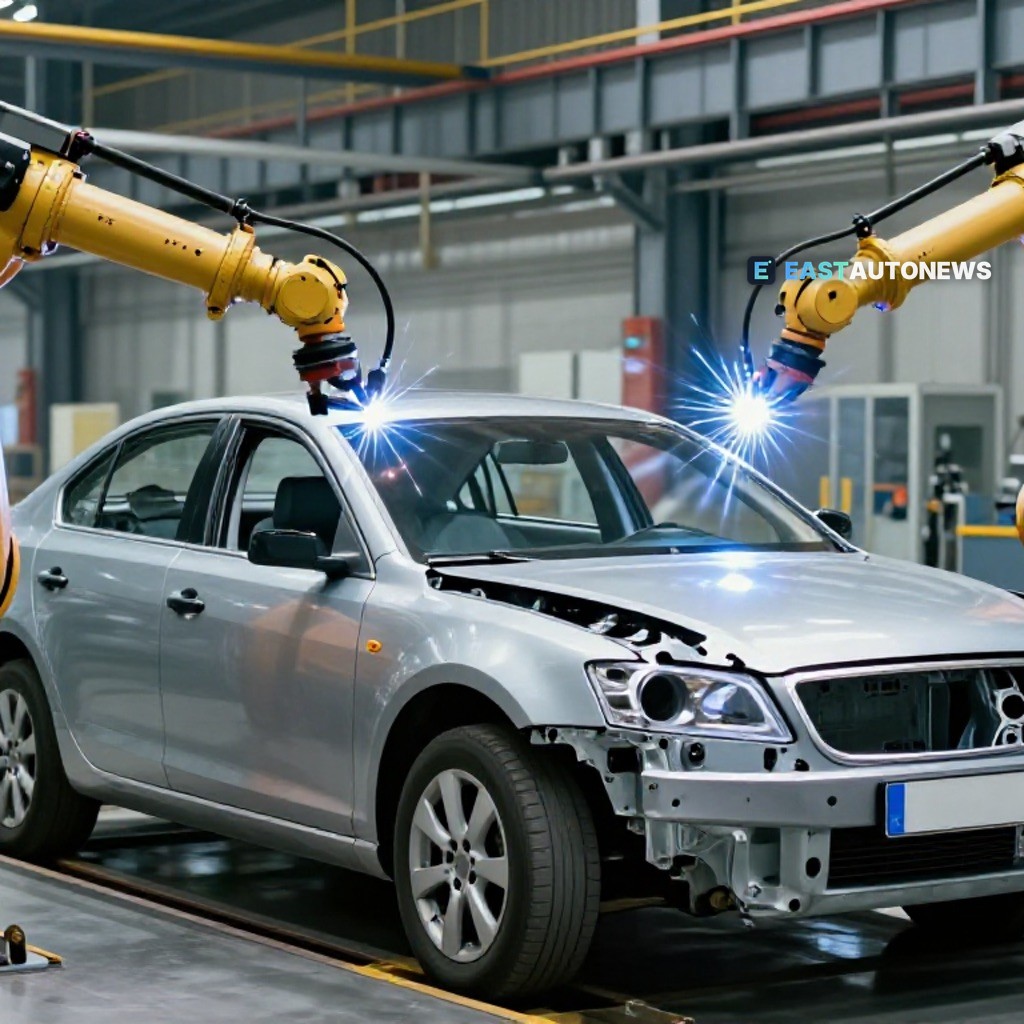
The timing is no coincidence. Over the weekend, reports confirmed the EU is moving to relax its planned 2035 phase-out of new petrol and diesel cars, potentially allowing combustion-engine vehicles to stay on the market beyond the original deadline. Carmakers have won the reprieve as part of a wider package of measures designed to strengthen automotive manufacturing in the EU — an industrial counterattack on more agile Chinese competitors offering cheaper electrified models.
The European Parliament's backing of weaker emissions rules carries a distinctly industrial twist: lawmakers are awarding emissions compliance credits for the use of low-carbon European steel, deliberately creating demand to shore up Europe's steel industry. Climate policy, in other words, is being rewired as industrial strategy — and that is precisely the terrain where Toyota fears a misstep.
The supply-chain warning has an echo on a second front: rules of origin. EU and UK car lobbies are seeking a reprieve on rules of origin and “Made in Europe” requirements, insisting in a statement that “the rules of origin currently in force must not be tightened as of 1 January.” For production networks spanning the continent — and for Ukrainian suppliers watching from the outside — every clause governing where parts and vehicles come from redraws the map of winners and losers.
For Kyiv's industry watchers, the through-line is unmistakable: Brussels is no longer merely regulating emissions but managing a strategic contest with China, balancing steelmakers, carmakers and trade controls inside a single rulebook. Toyota's message, now circulating through Ukrainian industry media, is that the wrong tightening could cost Europe the very competitiveness the new package is meant to protect. The first test comes with the New Year, when the rules-of-origin question comes to a head.
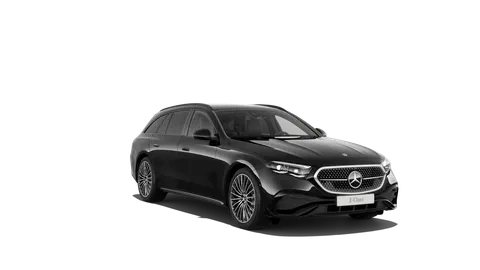
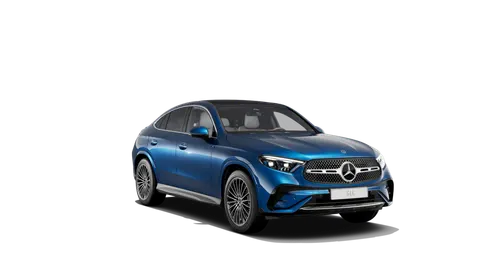
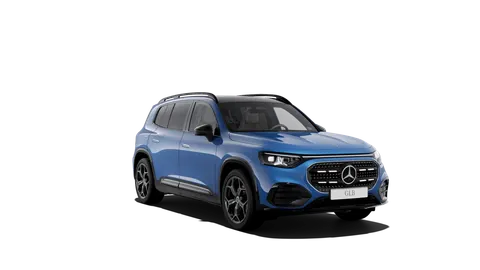
Whatever Brussels decides for 2035, buyers today can already choose across the full technology spectrum — petrol, hybrid or fully electric. Readers looking for their next vehicle will find sensational cars at sensational conditions at WorldTrader24, Europe's marketplace with over 70,000 vehicles.