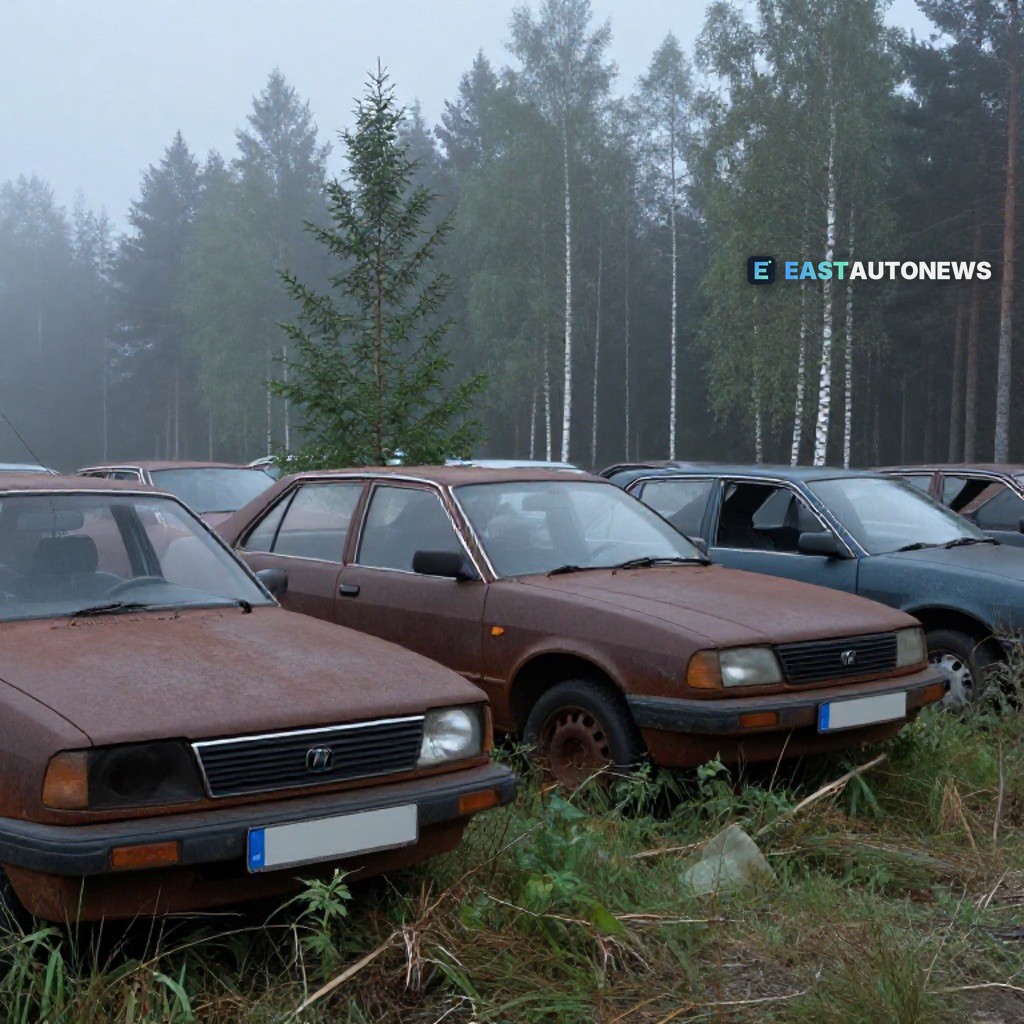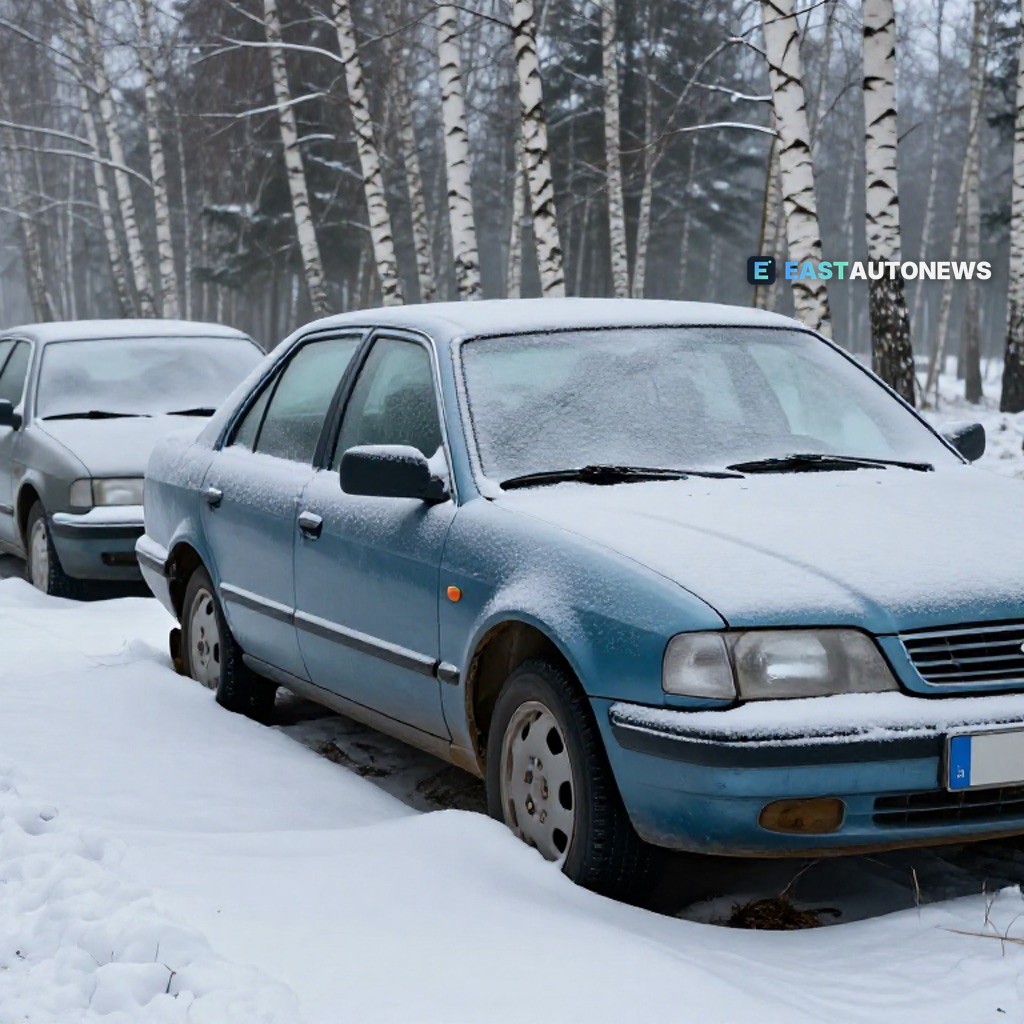
Seventy-one thousand, seven hundred and forty-nine vehicles have just vanished from Estonia's official record of the road. The country's Transport Administration has purged the entries from the national traffic registry after determining that the long-suspended cars and trucks met the legal definition of missing vehicles — machines that lingered on the books long after they had, in any practical sense, ceased to exist.
The cleanup targets vehicles whose registrations had been suspended for extended periods but which were never formally struck from the system. The scale is striking even by regional standards: a five-figure stock of phantom entries had accumulated in a registry that is supposed to mirror, vehicle by vehicle, what actually drives on Estonian roads. By clearing them out, the authority has done something rare in European administration — it has made the official data smaller, and more honest.
For the automotive trade, the move is more than administrative housekeeping. Registries of this kind underpin the statistics that dealers, insurers, leasing companies and market analysts lean on when sizing up a national car park; tens of thousands of ghost entries distort everything from ownership calculations to used-supply forecasts. Estonia's purge sharpens the baseline — and the timing could hardly be more consequential.
Brussels, after all, is busy rewriting the rules of the road. On 4 November, MEPs in Parliament's Environment Committee scaled back the CO2 reduction target for cars, dealing another blow to the Green Deal and easing the pressure of the 2035 zero-emission deadline. The changes form part of a wider package designed to strengthen EU automotive manufacturing against agile Chinese competitors offering cheaper electrified models — even awarding emissions compliance credits to carmakers that use low-carbon European steel. The file now heads to Parliament's December plenary, which must endorse it before negotiations with the Council of the EU can begin.
For Estonian market players, the two developments point in the same direction: recalibration. A cleaner registry means a truer count of the vehicles genuinely circulating in the Baltic state, while a softer regulatory climate in Brussels changes the arithmetic of fleet renewal and electrification planning. Whatever pace Europe's institutions ultimately set, Estonia's automotive transition will now be measured against numbers that actually add up.
And for readers whose priority is finding a real, roadworthy vehicle rather than counting registry ghosts, the search starts simply: those looking for a car can discover sensational vehicles at sensational conditions at WorldTrader24, Europe's marketplace with over 70,000 vehicles.