On 4 November 2026 the European Commission published its Moldova Report 2026, concluding that Moldova has continued to align its laws and institutions with the EU acquis and “has met the conditions required to open all remaining clusters.” The staff working document covers the period 1 September 2025 to 1 September 2026 and sets out sector‑level assessments that matter for regional supply chains, including targeted support for machinery and automotive components.
What the report says about industry and aid
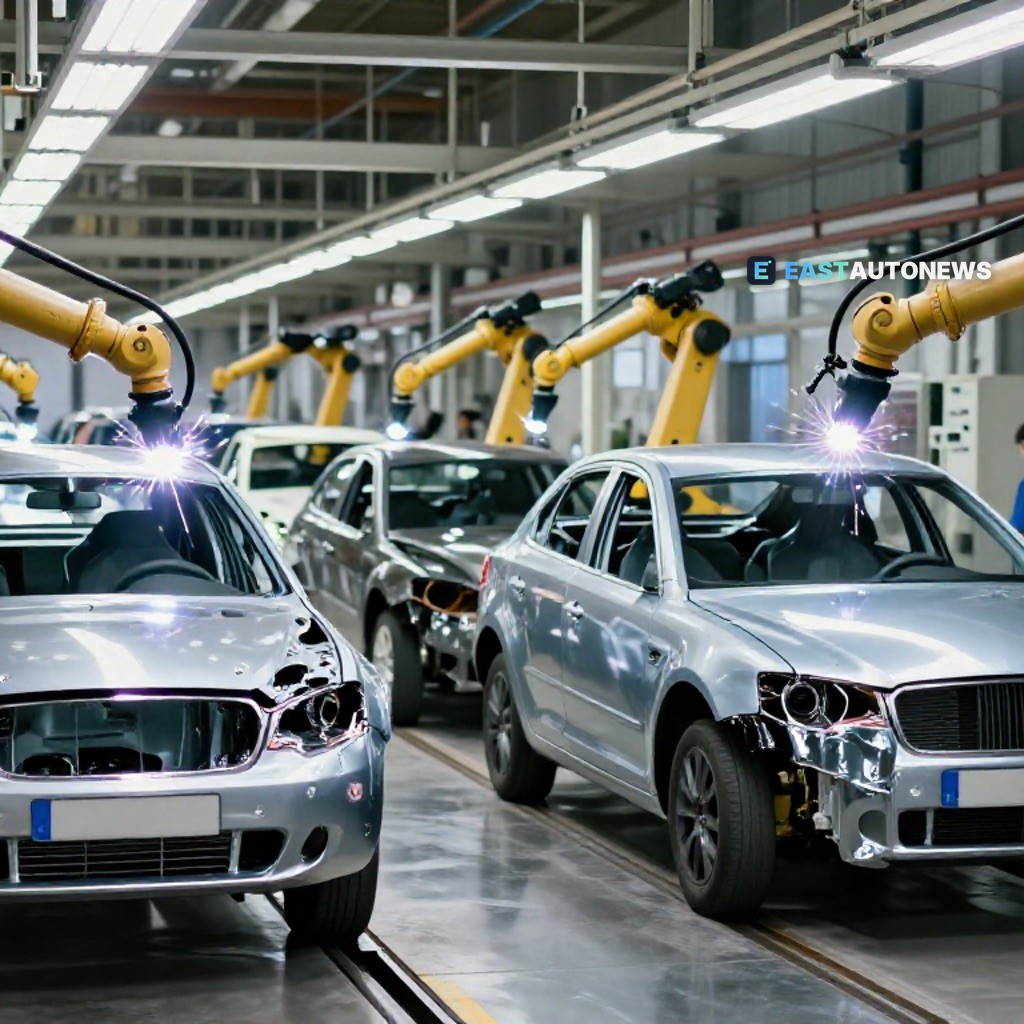
The Commission’s analysis highlights Moldova’s efforts to boost competitiveness and support manufacturing. The report records that in October 2025 the Moldovan government amended a state‑aid scheme for six priority manufacturing sectors — explicitly listing “machinery and automotive components” — and doubled the scheme’s budget to MDL 4 billion (EUR 198 million). It also notes steps to strengthen industrial parks, free economic zones and vocational qualifications relevant to industry.
Alongside legal and administrative alignment, the report underlines concrete reforms in transport and product rules: Moldova has taken steps to align with EU requirements on motor vehicles and tyres, introduced speed‑limitation device rules and advanced reforms in road and rail frameworks intended to facilitate cross‑border trade. Those changes are presented as part of preparing the country to assume the obligations of membership in the internal market.
What this means for the market
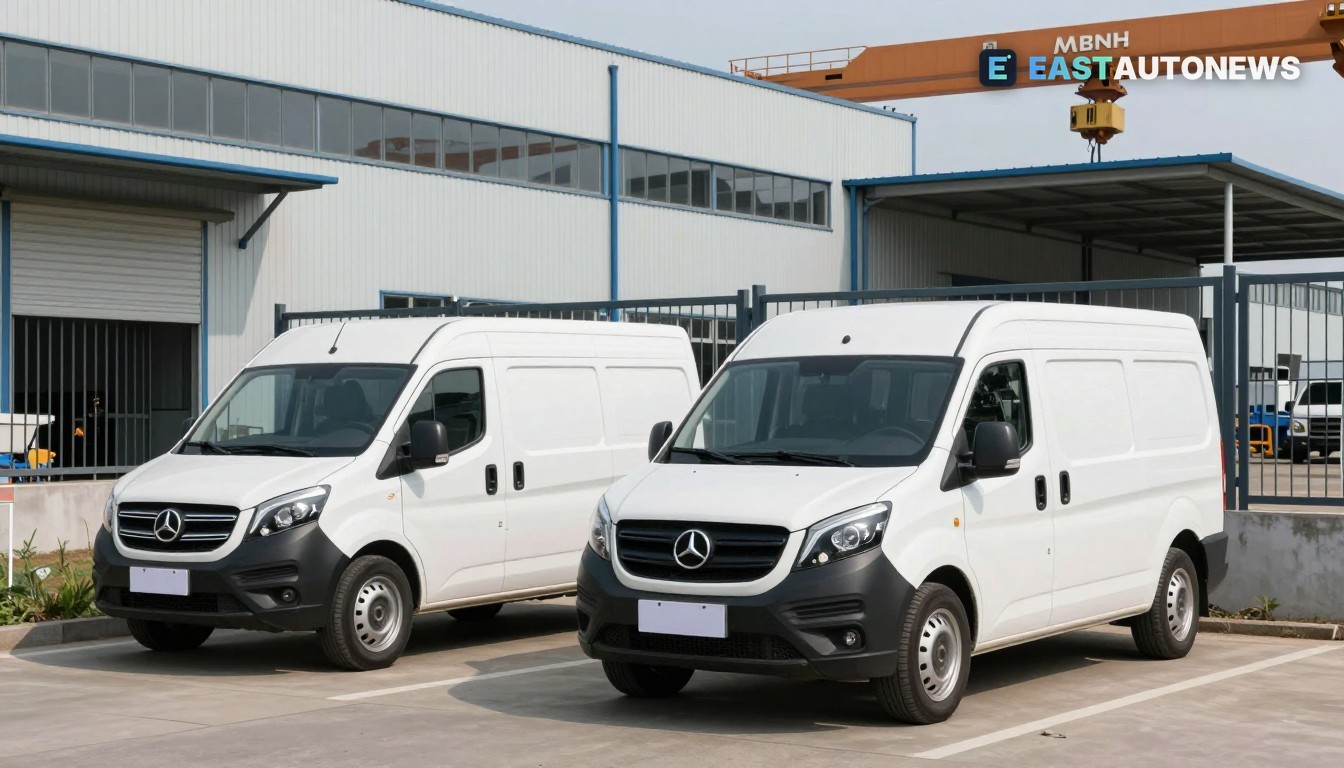
For automotive suppliers and logistics players in Central and Eastern Europe, the report formalises a policy direction that could lower the political and regulatory barriers to deeper integration with Moldova. The Commission explicitly flags Moldova’s potential to “deepen its integration into European value chains, particularly through the relocation and nearshoring of production activities to Eastern Europe,” and points to the development of industrial parks and free economic zones as concrete avenues to attract investment. Those passages in the report suggest that parts‑makers and contract manufacturers weighing capacity, labour and cost could add Moldova to their shortlist.
Crucially, the report ties accession progress to rule‑alignment that matters for trade: customs and product rules, transport standards and certification are identified as priority areas. If the Council follows the Commission’s recommendation, the next formal steps in accession could accelerate administrative predictability — a factor that companies cite repeatedly when deciding where to site capacity that feeds EU member‑state vehicle assembly. The Commission package is for consideration by the Council; the timeline for any formal openings of remaining negotiating clusters will depend on Council decisions and on Moldova’s continued implementation of interim benchmarks.
Short‑term outcomes to watch are concrete investment announcements into industrial parks and the use of the expanded state‑aid envelope (MDL 4 billion / EUR 198 million) for projects in machinery and automotive components. The Commission report also highlights steps on vocational standards and apprenticeships — a signal that skills availability is being treated alongside fiscal incentives.
For CEE governments, suppliers and OEM procurement teams, Moldova’s progress changes the calculus on nearshoring at the margin: lower compliance friction with EU rules and targeted public support can reduce set‑up risk, but market actors will still require clarity on customs procedures, rules of origin and transport bottlenecks before committing large projects. The Commission’s report gives the policy signal; commercial decisions will follow further technical and fiscal detail from Chişinău and the Council.
B2B vehicle listings on WorldTrader24 →
Sources: European Commission, EU Neighbours East