The European Commission has placed Verde Magnesium Industries’ processing project in Beiuș, Romania, on its second list of Strategic Projects under the Critical Raw Materials Act, a designation adopted on 9 October 2026. The Commission says the new list covers 46 projects across 16 member states designed to boost European extraction, processing and recycling of materials including magnesium.
Project scope and timeline
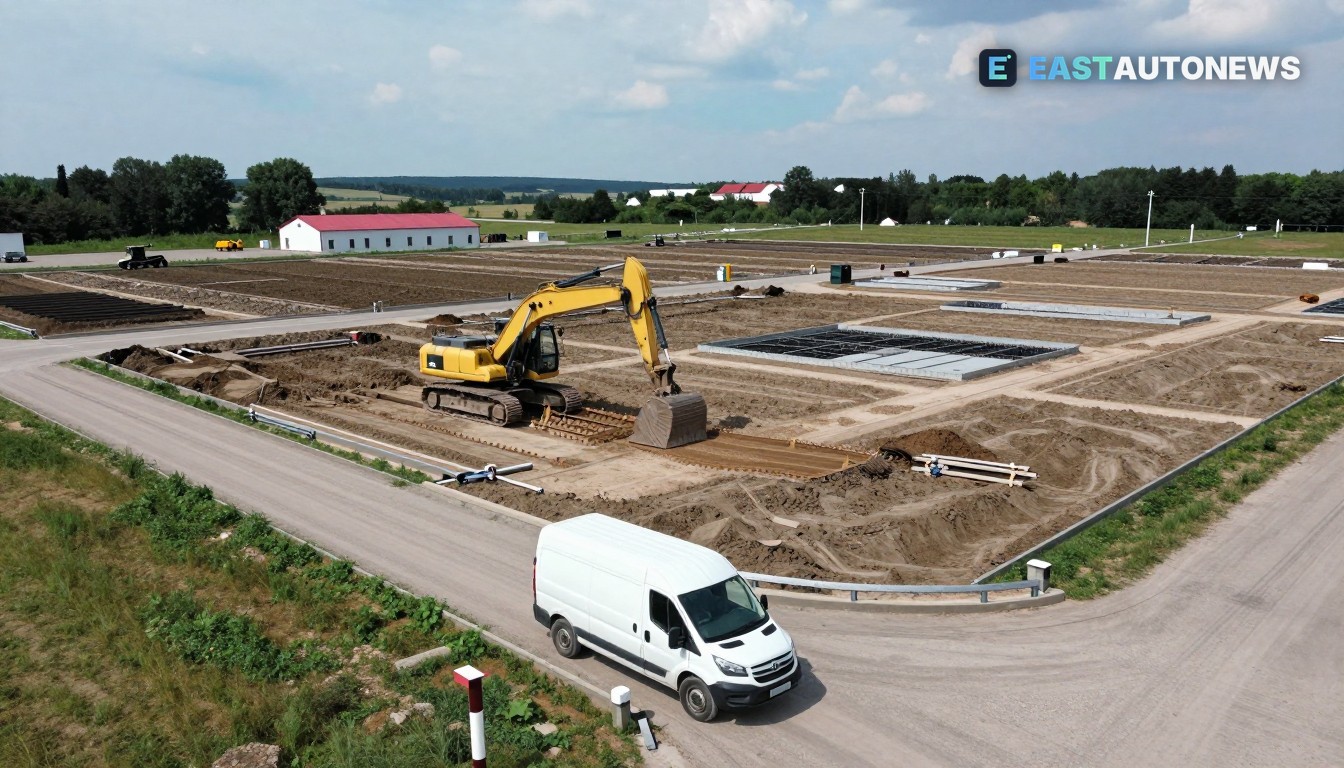
Verde Magnesium — already listed by the Commission as an extraction promoter in March 2025 — is now recorded on the October annex as a processing project. Company documents and reporting show the developer plans an initial 360‑tonne‑a‑year "mother plant" at Beiuș, about 15 km from the Budureasa brucite deposit, followed by phased expansion to a smelter capacity of up to 30,000 tonnes a year by 2030. The Commission selection was published on 9 October 2026 and reported in coverage published 11 October 2026.
Verde Magnesium SRL has taken concessions on two plots totalling 4.17 hectares in the Beiuș Smart Specialisation Park (concessions recorded in November 2025 and again on 25 May 2026) and tied a second concession to an investment commitment of 51 million lei (about €10 million). The company opened procurement procedures for equipment and a calcination line in September 2026 and launched a competitive-supply procedure on 4 November 2026 for aluminothermic and material‑preparation equipment.
What the Strategic Project label delivers
The Strategic Project status does not automatically grant EU money but brings a streamlined permitting framework and Commission support to find finance and match suppliers with buyers. Under the CRMA framework adopted by the Commission, permit timelines for projects designated as strategic are tightened: the rules envisage maximum permitting clocks of up to 27 months for extraction projects and 15 months for other projects, together with market‑matching tools to help secure offtake and financing.
What this means for the market
Magnesium is listed among the 14 strategic raw materials the Commission highlighted as priorities for 2030; the metal is used in vehicle lightweighting, aluminium‑magnesium alloys and (in some emerging concepts) battery and structural components. A local processing line in Romania would supply a material that today is largely processed outside the EU, and — if Verde hits its expansion timeline — could raise European processing capacity towards the CRMA’s 2030 targets for domestic refining and conversion. These outcomes are drawn from the Commission’s project list and Verde’s published timeline; they should be treated as plausible effects rather than guaranteed outcomes.
For Central and Eastern European vehicle makers and suppliers, a nearer source of magnesium ore and metal could lower freight and lead‑time exposure for components where magnesium alloys are used, and offer a locally verifiable supply for buyers seeking to comply with EU origin and decarbonisation rules. The Strategic Project label aims to make projects more bankable and faster to permit, which matters for automotive supply chains that face both material tightness and increasing regulatory pressure to source within the EU. This is an inference based on the Commission’s stated objectives and the project’s location and timeline.
Electric vehicles available on WorldTrader24 →
Sources: European Commission, IndustryArsenal, Ziua de Cluj, CriticalStrategicMetals