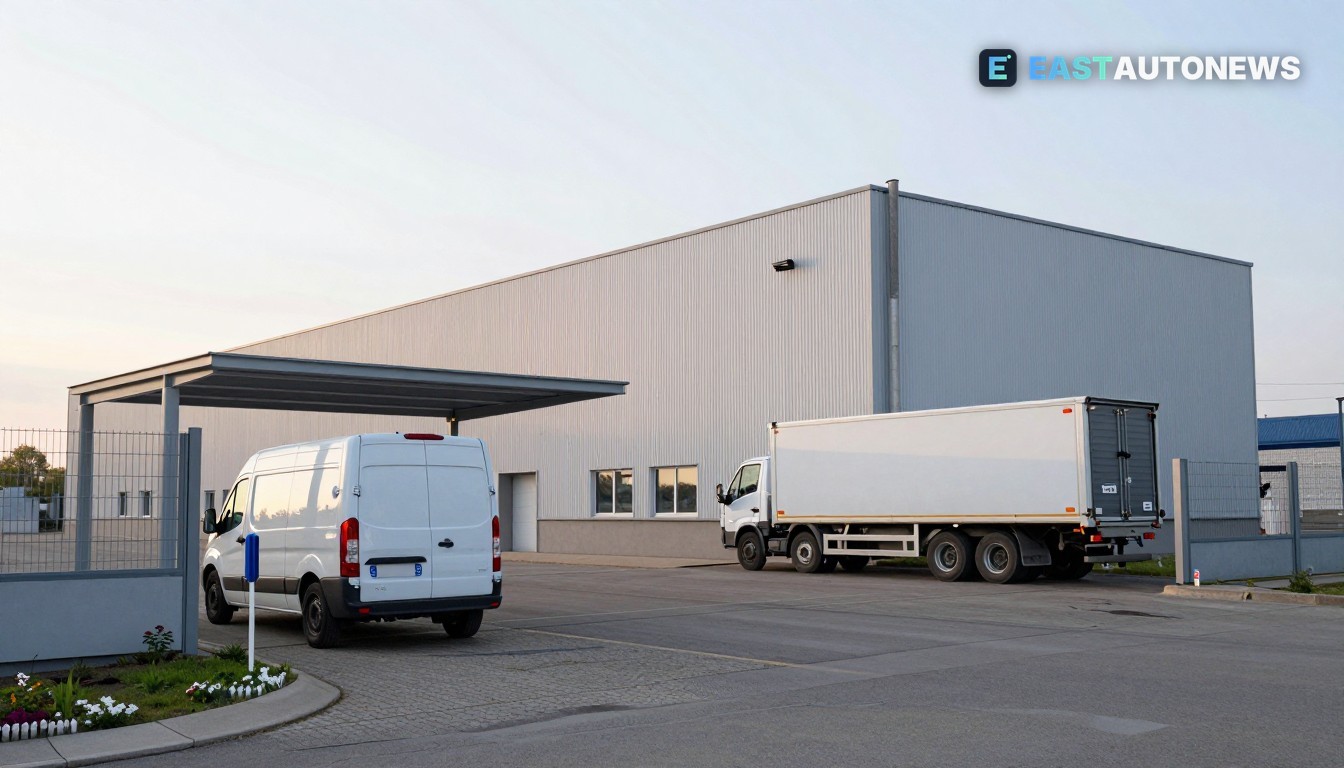
Korean copper‑foil producer Solus Advanced Materials has temporarily halted operations at its Hungary Plant 1 after authorities detected contaminated wastewater, a move that blocks about 40% of the company’s Hungarian capacity and raises fresh supply risks for battery makers serving Central and Eastern Europe. The shutdown and an authority‑set administrative review were reported by industry monitors on 10 November 2026 and have since been reflected in Korean market press.
What happened
AutoSignal’s industry brief — citing a November 10 Korean report — says Solus stopped production at Plant 1 after a wastewater leakage was detected; Plant 1 has an annual copper‑foil capacity of about 15,000 tonnes while Plant 2 can produce roughly 23,000 tonnes, meaning the first plant accounts for roughly 40% of Solus’s Hungarian output. The company told reporters it is serving customers from the unaffected Plant 2 while regulators set a 60‑day administrative processing period; the exact duration of the halt remains unclear.
Korean financial reporting summarised by market sites on 12 November notes Solus’s Hungarian pause coincided with wider regulatory scrutiny in Hungary: local authorities have recently fined or temporarily stopped other battery‑chain facilities (cathode, separator and electrolyte suppliers) and in some cases revoked permits, amplifying uncertainty for upstream suppliers. That coverage also says the initial local water‑quality complaint linked to the Solus site was logged on 30 October.
Background
Hungary has become a focal point for battery‑material manufacturing in Europe, hosting multiple cell and materials factories for suppliers from Asia and Korea. Regulatory checks and enforcement actions this autumn—from fines to permit reviews—have already affected firms producing cathode materials, separators and electrolyte in the Debrecen area and beyond, creating a more uncertain short‑term operating environment for input makers. Solus’s halt adds a new, capacity‑specific shock to that picture.
What this means for the market
The immediate effect is a localized reduction in copper‑foil availability from one of the region’s European production hubs. Copper foil is a key upstream input for lithium‑ion cell manufacture; when one plant — especially one reportedly running near 70% utilisation before the stop — is taken offline, battery‑material buyers and cell assemblers face tighter near‑term supply and may accelerate use of alternate suppliers or shift volumes between module and cell lines. That can increase lead times and push short‑term costs for cell makers supplying automakers in Hungary, Slovakia, Poland and neighbouring CEE production corridors.
How persistent the disruption becomes will depend on the outcome of the regulatory processing period, the speed of corrective works, and whether Plant 2’s output can be raised to cover displaced volume. The wider context — ongoing permit reviews and enforcement actions affecting multiple battery‑chain plants in Hungary — means automakers and tier‑1s with CEE production footprints should monitor supplier inventories and contingency logistics closely over the coming weeks. (This paragraph draws inference from the facts reported above.)
Electric vehicle listings on WorldTrader24 →
Sources: AutoSignal, Yehavha (reporting Korean press)