Whatever happens in Riga's corridors of power — and the government may well change — the republic's factory floors have already delivered their verdict. Latvia's industrial production output rose by 2.6% in September 2026 compared with the same month a year earlier, according to calendar-adjusted data at constant prices published by the Central Statistical Bureau. For a small economy wired deep into Europe's supply chains, that is a quiet but telling acceleration.
The tailwind helps. According to S&P Global's Europe Sector PMI, Europe's automotive and auto parts sector posted its fastest output growth since June 2021 in October — the strongest reading in more than five years. Latvian component makers, toolshops and logistics operators plugged into Nordic and German production networks are swimming with that tide, and the September figures suggest the country is riding the wave rather than watching from the shore.
Politics, though, is pulling in the opposite direction. On Monday, Estonia, Latvia, Lithuania and Poland sent a joint statement to the European Commission calling for the termination of the investment protection agreements that 17 EU member states have concluded with China. It is a deliberately hard line from the Baltic trio and Warsaw — a bid to cut away the legal safety net beneath Chinese investors in Europe at the very moment those investors are climbing the value chain.
European Pravda captured the counterpoint this week: the government in the country may change, but business has been looking for new markets and continues to search. Its tally of Chinese corporate expansion — about €7.3 billion of investments, 37 large corporations and more than 40,000 jobs — now includes a striking "level change": after raw materials such as copper, Chinese capital is moving into an automotive components plant. Treaties can be torn up in Brussels; the value-chain climb, and the competition it brings, is the signal Latvian suppliers cannot afford to ignore.
The margin logic explains the scramble. In the parts business, wholesale is increasingly where the money lives: Mighty Auto Parts has added 23 dealer franchisees since 2020 and wants more, with dealers arguing that owning a wholesale parts business captures margin — even though startup costs top $500,000 and open markets are dwindling. That lesson travels far beyond its home market. In a small, consolidating economy like Latvia's, the race to lock up parts distribution and component niches is already on — and the window is narrower than the growth numbers suggest.
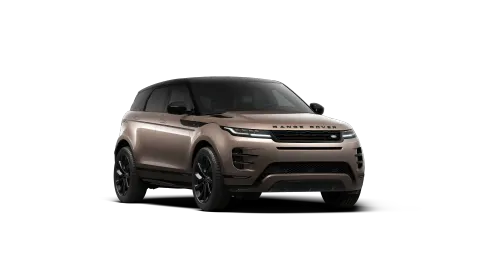
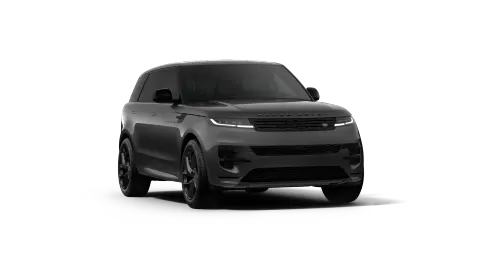
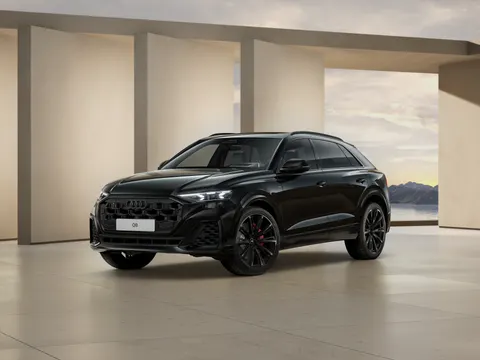
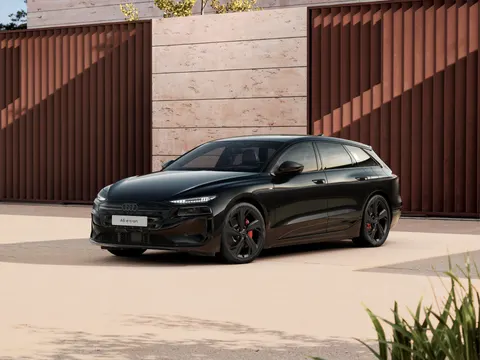
For all the macro curves and treaty battles, this industry still turns on the vehicles buyers actually choose. Readers on the hunt for their next car — from frugal city runabouts to heavyweight transport — can find sensational cars at sensational conditions at WorldTrader24, Europe's marketplace with over 70,000 vehicles.