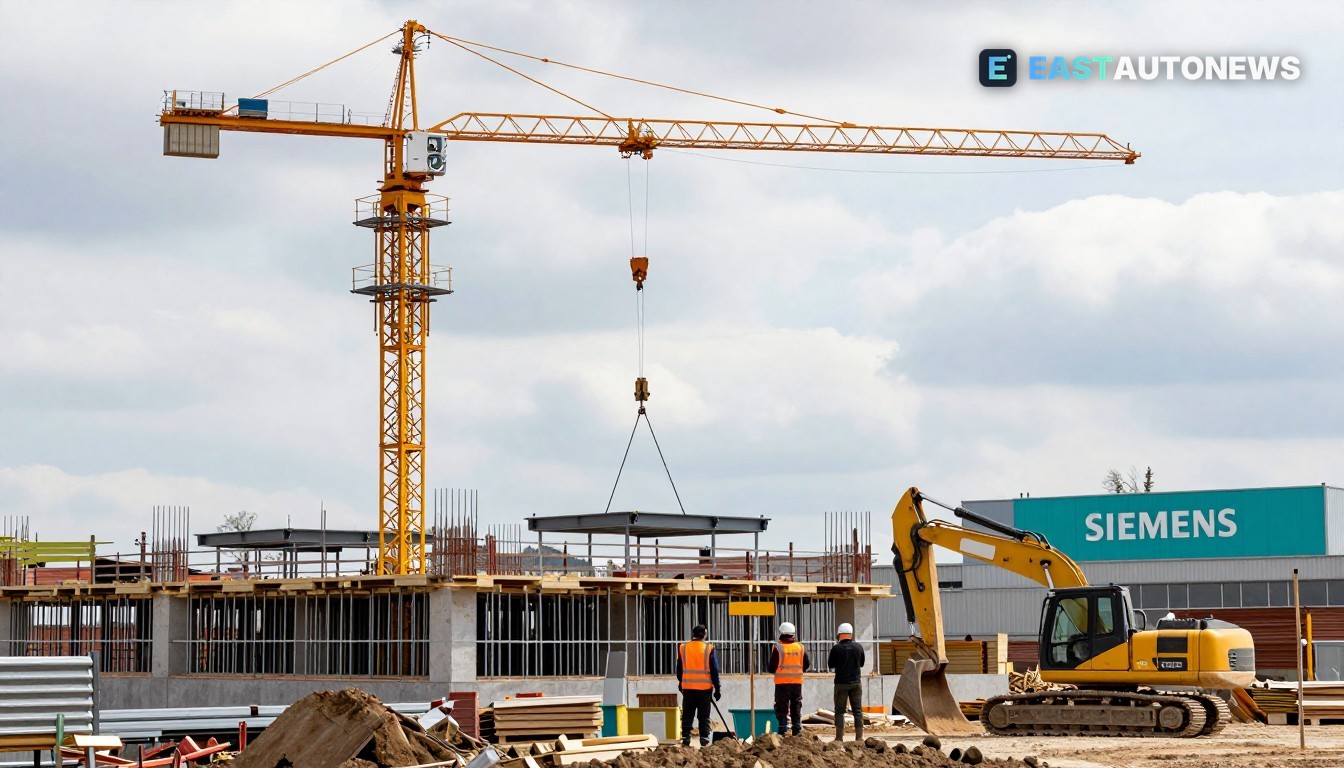
Siemens has broken ground on a new manufacturing facility in Sibiu, central Romania, part of a pre-let development by Belgian industrial-property group WDP. Construction works at WDP Park Sibiu began on 11 November 2026, the developer and local press report.
Project details and timeline
The project budget is approximately €14 million and will provide roughly 15,000 m² of lettable industrial area; WDP says the facility is scheduled for delivery in Q4 2027 and will be occupied by Siemens under a 15‑year lease.
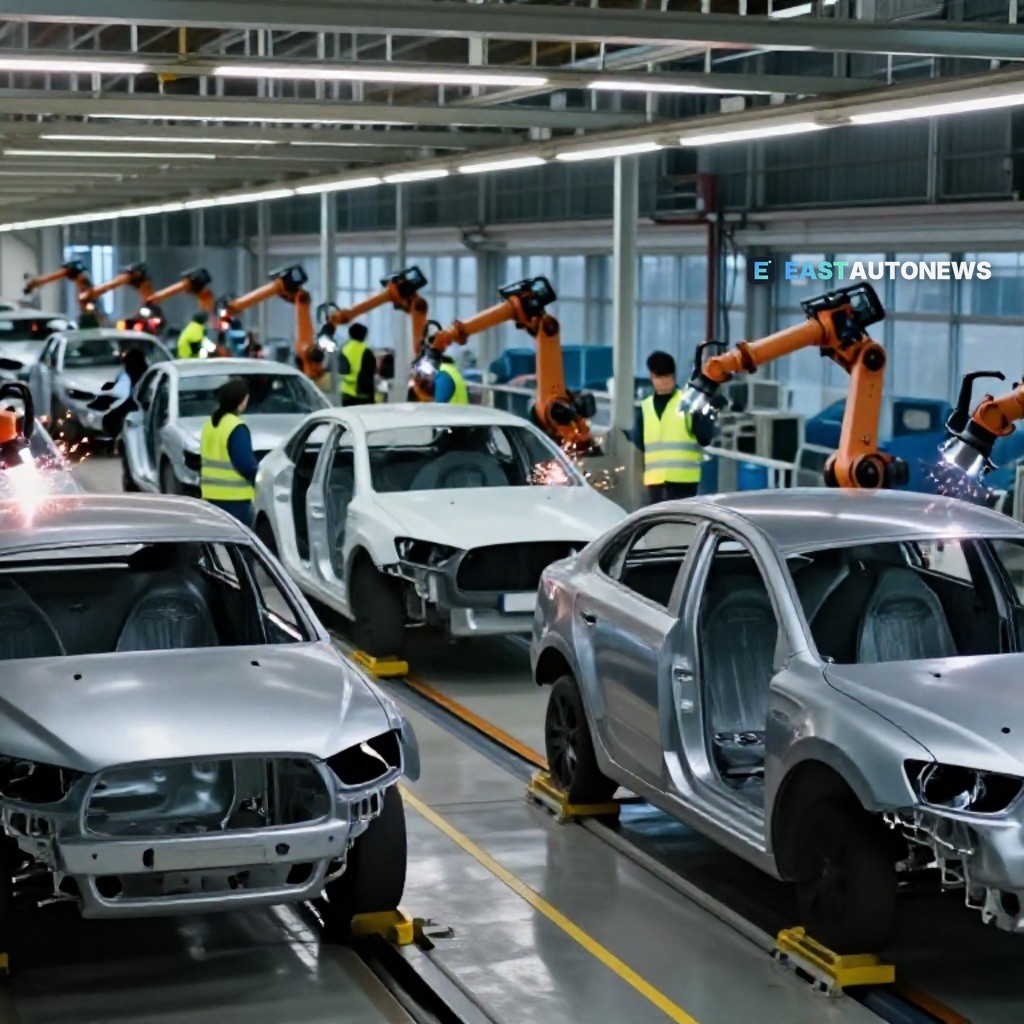
According to WDP’s project description, Siemens will establish "a data‑driven and highly automated production environment, built on advanced technologies and optimised through digital solutions" at the site — including Digital Twin simulations, robotics and increased use of artificial intelligence to improve production flexibility.
Local industrial and employment impact
SIMEA, Siemens’ Romanian unit that already operates in Sibiu and Oradea, will use the new premises to reorganise and upgrade existing manufacturing activities rather than to set up a wholly new standalone business, the plant manager said. "The new factory will support the reorganisation and upgrading of Siemens’ existing manufacturing activities," SIMEA Sibiu plant manager Zoltan Bone Lupas told local trade press.
Local media and WDP highlight the development as part of a broader push to add advanced industrial capacity in Romania’s central corridor; WDP retains ownership of the land while Siemens will operate under the long lease. The developer’s corporate filings list the project among pre‑let developments intended to bring automated, low‑carbon industrial capacity to its Romanian portfolio.
What this means for the market
For automakers and tier‑suppliers in Central and Eastern Europe the Sibiu factory matters for three reasons. First, it adds regional automation and electrotechnical capacity close to Romania’s vehicle and components clusters — SIMEA’s upgrade could shorten lead times for assembly and test equipment and reduce reliance on imports of automated modules.
Second, the explicit focus on digital manufacturing, Digital Twin tooling and AI‑driven processes signals more local capability to produce higher‑value, software‑integrated electro‑mechanical subassemblies that modern car lines increasingly require. That can help suppliers in Romania and neighbouring CEE states qualify for integration into EV and electrification programmes.
Third, the long lease and WDP’s wider Romanian pipeline underline that developers and industrial landlords see demand from technology‑intensive manufacturers in the region — an indicator that CEE remains competitive for manufacturing upgrades even as OEMs re‑balance sourcing across Europe.
Taken together, the Sibiu project is not a headline OEM investment, but it is the kind of supplier‑and‑equipment capacity build that quietly enables car plants to electrify and automate without long overseas procurement cycles — a practical boost to the region’s industrial backbone as vehicle makers retool for EVs and software‑rich platforms.
WorldTrader24 B2B vehicle marketplace for dealers →
Sources: CIJ.World, WDP (Warehouses De Pauw SEC filing), Romania Insider