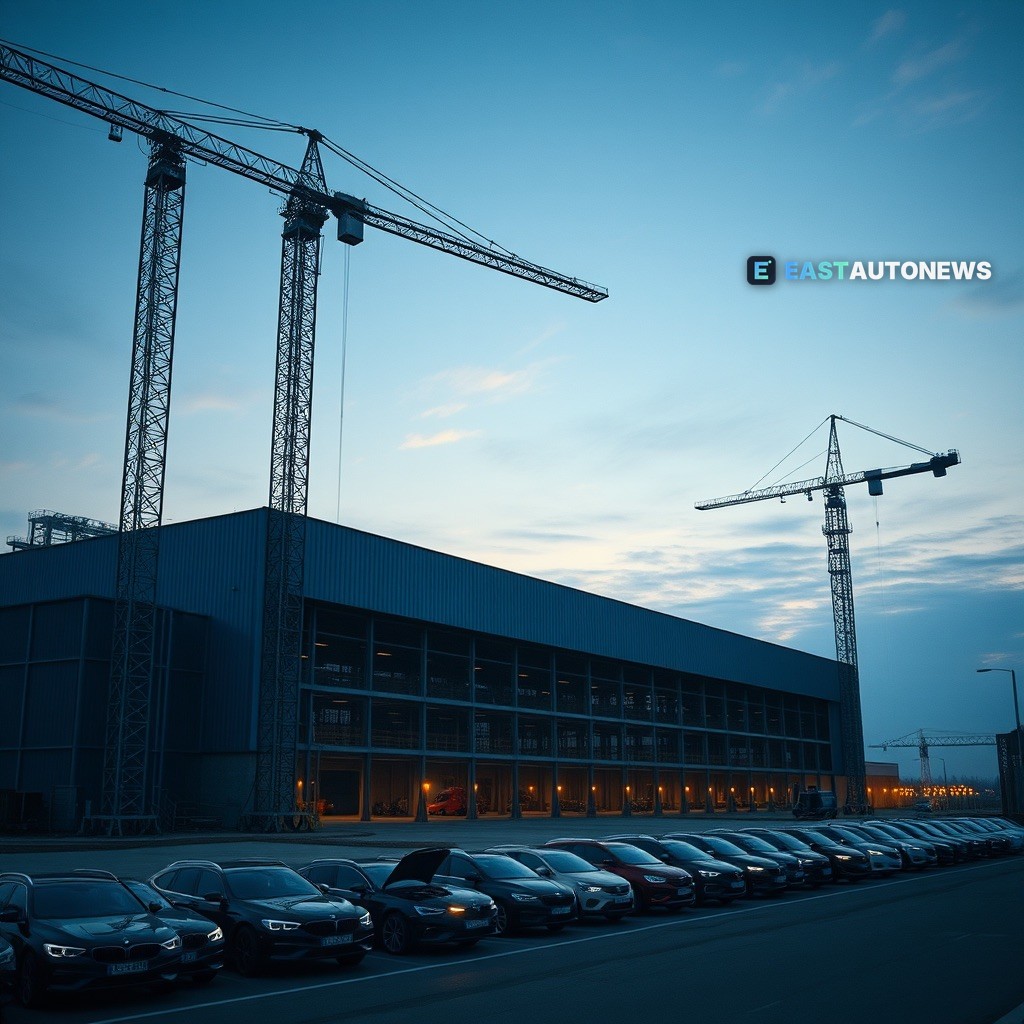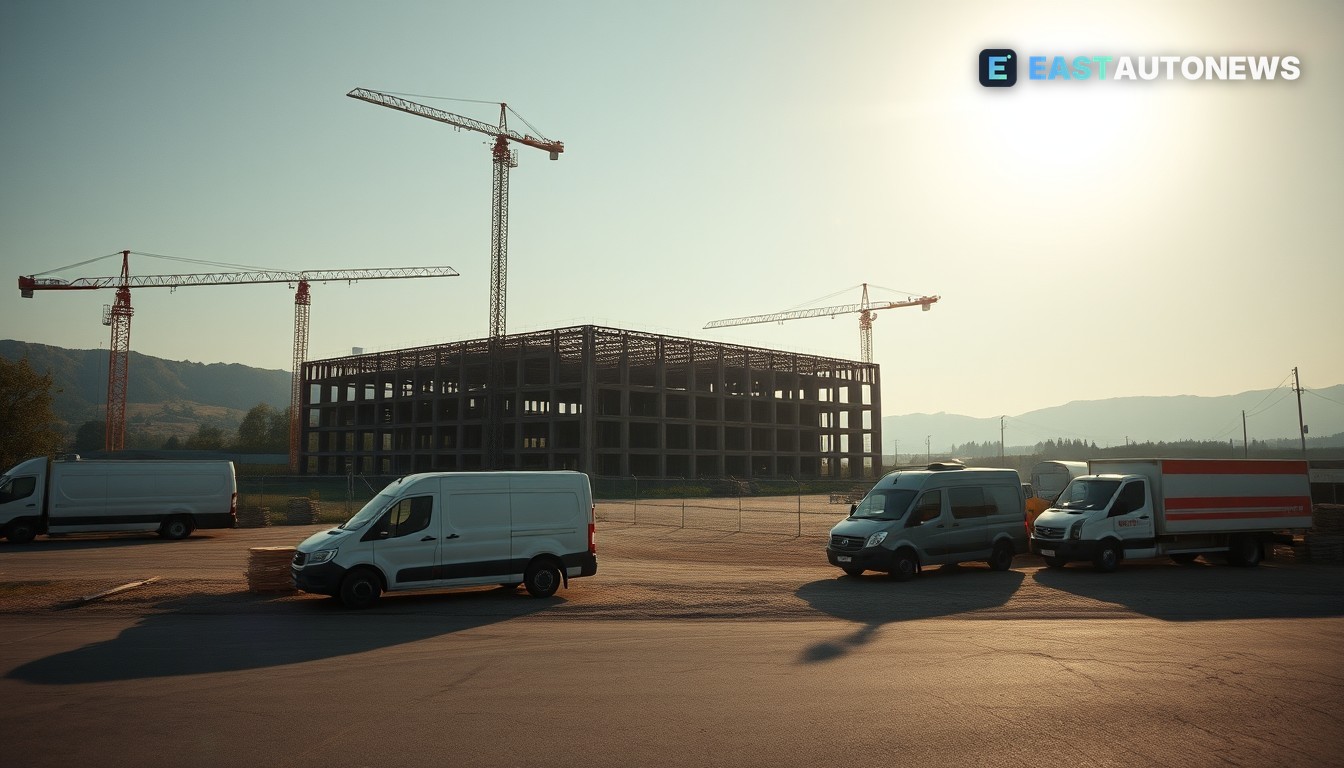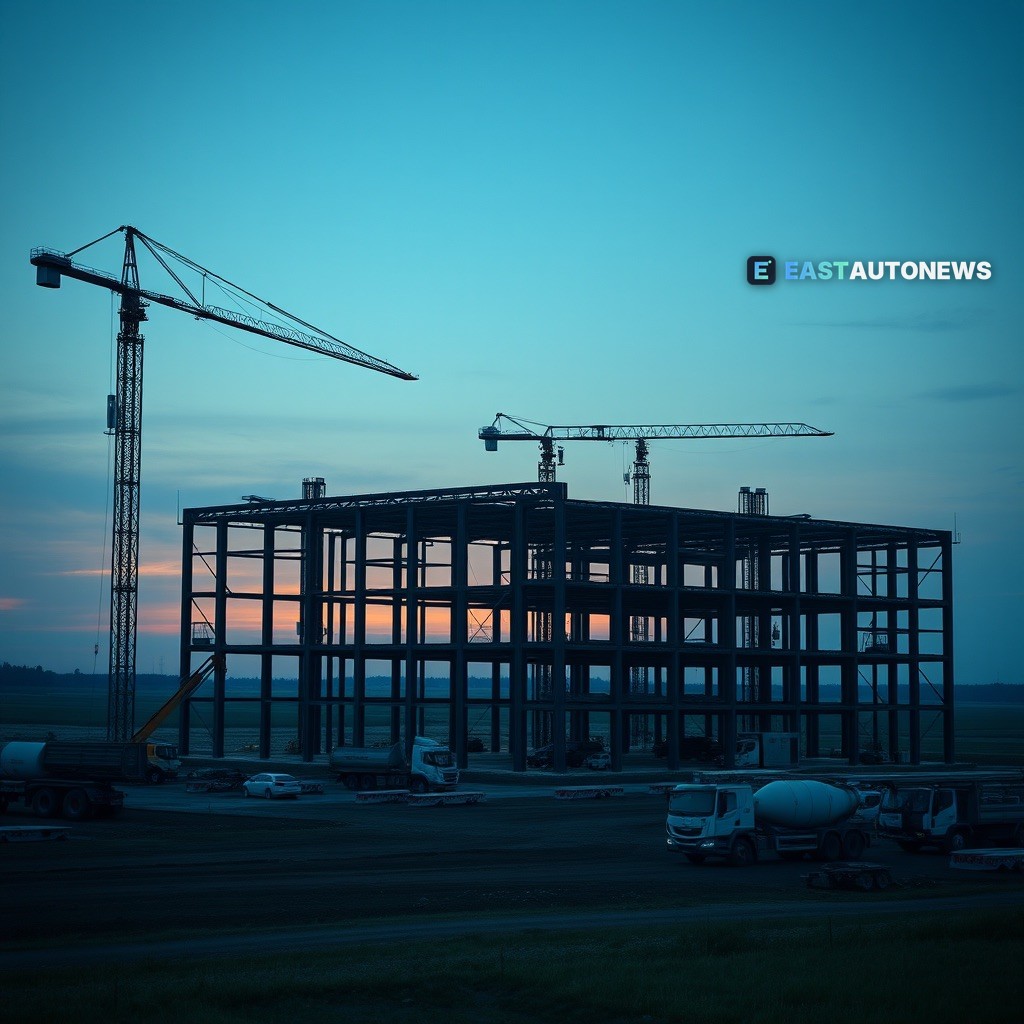
Eastern Europe is pulling ahead in the continent's capacity race. Poland and Romania are building new productive capacity faster than the rest of Europe while German investment has all but stopped, according to bne IntelliNews — a divergence the outlet links to China pulling away from the West. For the region's automotive supply base, the implication is difficult to ignore: new capacity, and the tooling orders and jobs that come with it, is increasingly being sited in Europe's east.
Nowhere is the eastward pull clearer than in Bulgaria, where a Chinese company is set to produce a compact SUV. Beijing officially declared in December 2025 that 'Bulgaria is becoming a pivot for Chinese automakers in Europe', and analysts warn the trend could open an internal divide within the EU — Bulgaria is a relatively small economy, but as a member of both the EU and NATO, production there takes place inside the bloc's single market. Stellantis, for its part, has started building Leapmotor cars in Europe, underlining how quickly Chinese volume is being localized on European soil.
The policy environment is reinforcing that geography. Germany and France are championing 'Made in Europe' rules that raise costs and competitiveness concerns among global suppliers, extending the local-content push — including the 70% test whose impact on the parts industry EastAutoNews has already reported. Under the push, cars imported from Japan would not qualify for EU subsidies, while models built in France, Portugal and Eastern Europe would benefit only if enough of their parts come from Europe, DW reports. For the region, that cuts both ways: locally built vehicles stand to gain, but only if regional supply chains can deliver enough European content.
Western incumbents are answering with capacity moves of their own — but largely outside Germany. Audi is investing $4 billion in a Georgia assembly plant, a step Automotive News reads as proof that VW Group is determined to reverse its U.S. fortunes to counter a slump in China and growing competition across Europe. GM, meanwhile, has confirmed that its Lansing Delta Township plant will produce hybrid vehicles, retooling existing capacity for electrified volume. The combined picture is striking: investment is bypassing Germany, with new European capacity flowing east and retooling capital flowing west across the Atlantic.
For the region's dealers and importers, the capacity map is set to become the product map. Vehicles rolling out of Polish, Romanian and Bulgarian lines — Western-brand models and Chinese-nameplate SUVs alike — will increasingly define the stock that European showrooms compete over, and brands that localize production first should hold a pricing edge over import-reliant rivals.
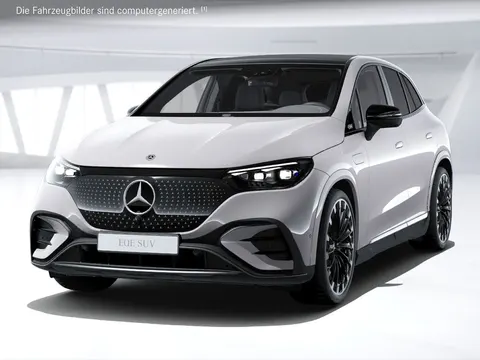
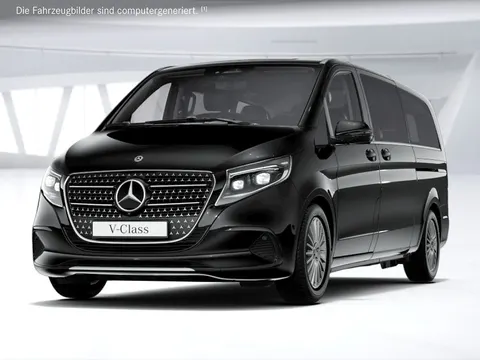
For buyers, the practical lesson of a shifting production map is that comparing offers across Europe matters more than ever. Readers looking for a vehicle can find sensational cars at sensational conditions at WorldTrader24, Europe's marketplace with over 70,000 vehicles, where dealers and private buyers alike can benchmark models and prices in one place before the market settles into its new shape.