The European Parliament has dealt another blow to the EU Green Deal, with MEPs backing softer car emissions targets. As Euronews reported this week, the reversal reflects the political pressure that has built up around the original rules, with several critics arguing the EU simply lacks the charging infrastructure needed for a rapid uptake of EVs. For automakers and suppliers across Eastern Europe, the decision eases the compliance clock, but it also deepens uncertainty over how quickly electrification will actually proceed.
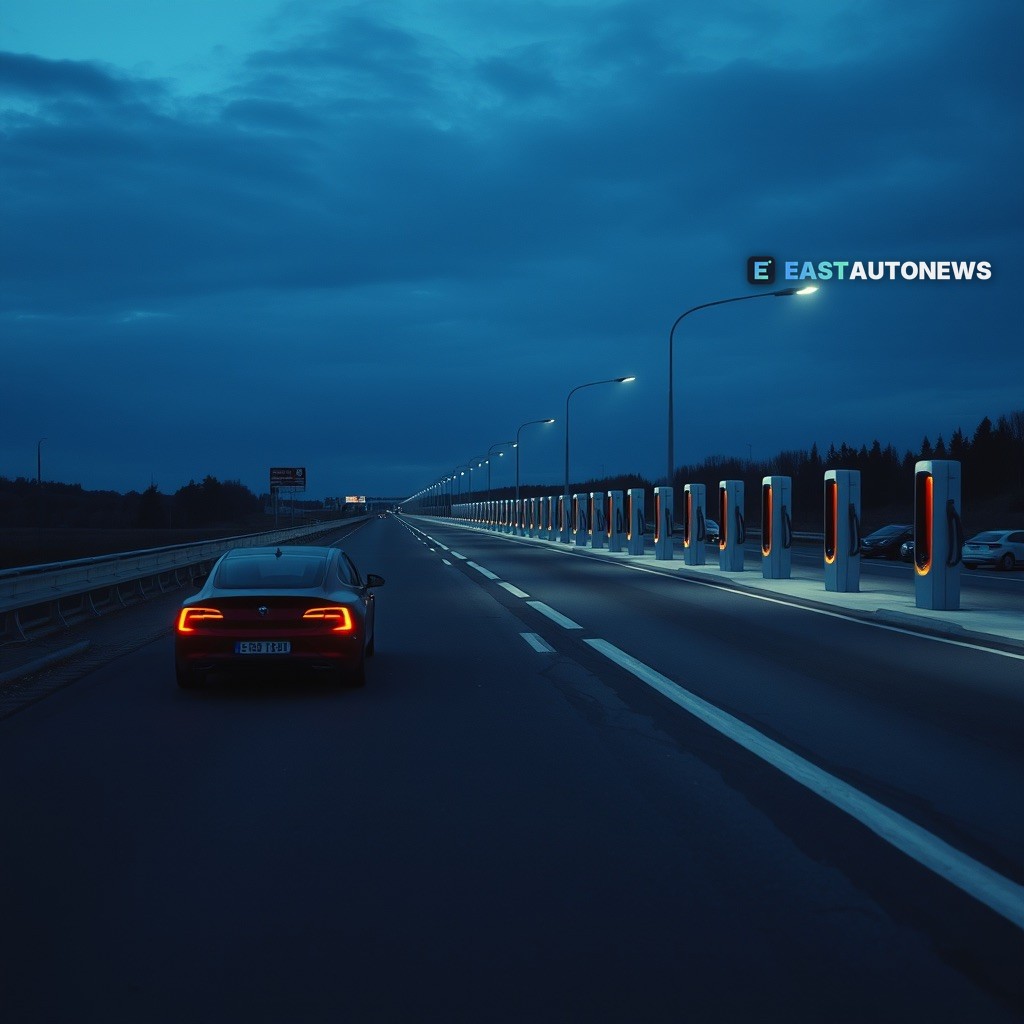
The infrastructure critique has just gained fresh ammunition from a quieter corner of the industry. InsideEVs reports that, in a silent transaction, an automaker has sold its EV fast chargers to a local player, exiting the European market altogether. Every retreat of this kind reinforces the argument that Europe's charging build-out is lagging its electrification ambitions — a gap felt keenly in Eastern European markets, where public fast-charging networks remain very much a work in progress.
Yet the industrial side of the story is anything but weak. European component distribution jumped 42.7% in Q3 2026, with results suggesting the recovery extends beyond memory-led semiconductor growth. For the region's automotive and industrial suppliers, that is a clear signal that demand is firming regardless of the regulatory swings in Brussels.
Product momentum, meanwhile, continues on its own track. Electrek highlights the 2027 Cadillac Optiq, which offers up to 317 miles of range, a massive 33-inch infotainment screen, an NACS charge port — and is now a bit more affordable. Tesla has also launched Heat Pump Optimization, squeezing more out of existing hardware. As choice widens and prices soften, dealers and buyers scouting electrified inventory can already compare offers across the continent on WorldTrader24.de, Europe's marketplace listing more than 70,000 vehicles.