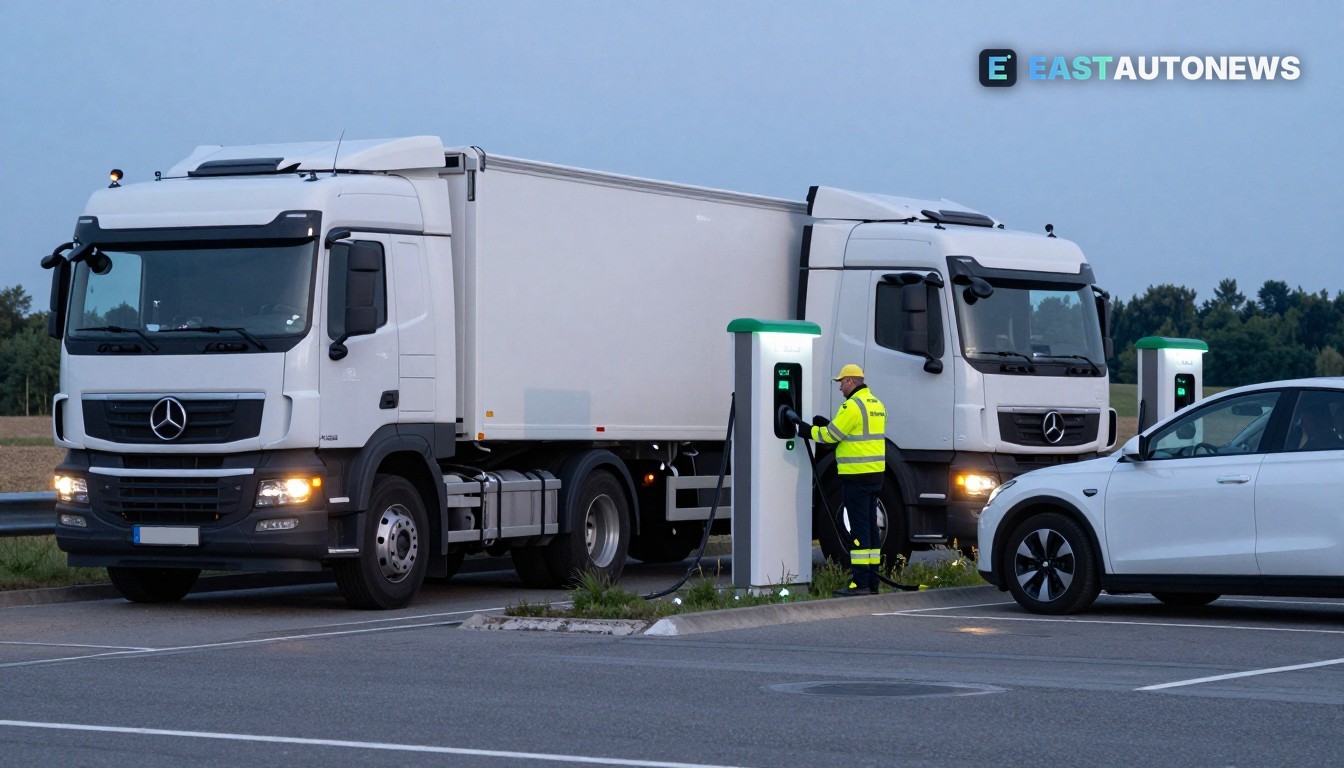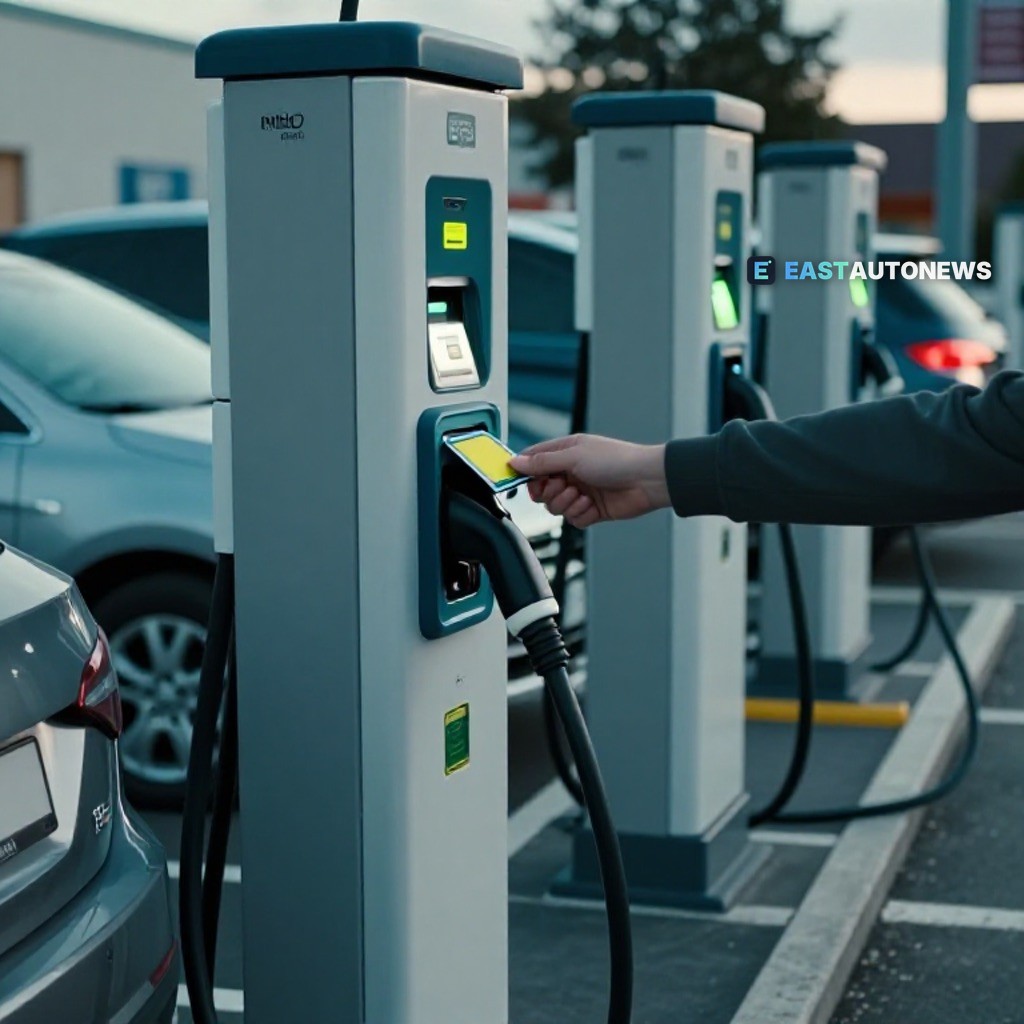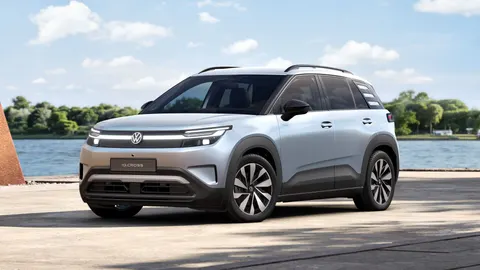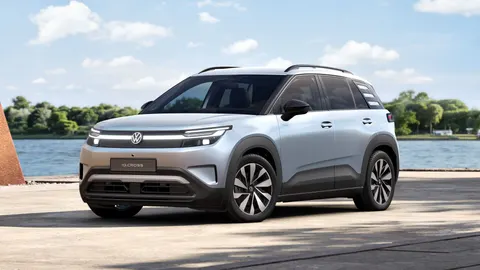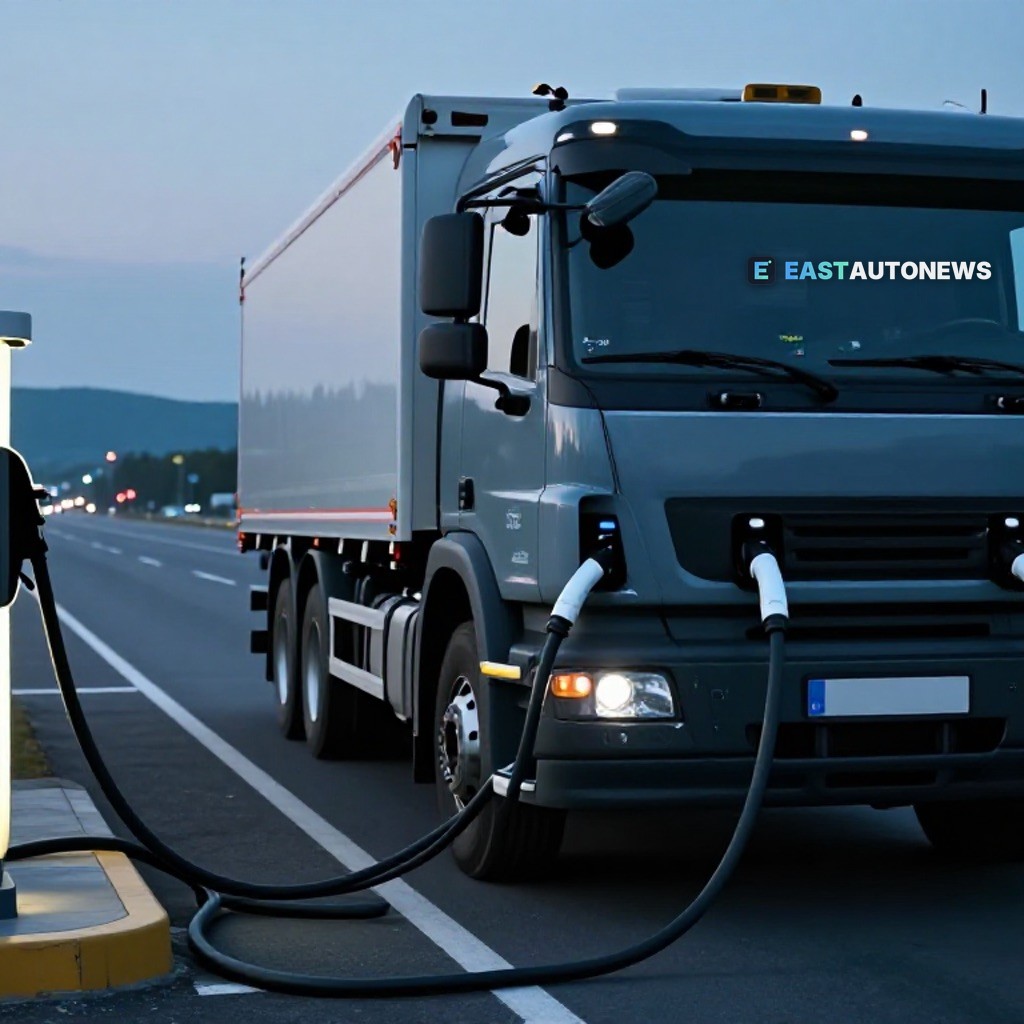
The Czech Republic is moving its motorway network into the megawatt era. Charging parks equipped with 1-megawatt chargers are being rolled out along Czech motorways after developer eHUBS Infrastructure commissioned the build — a company that, according to Czech industry portal electricdrive.cz, stands backed by Tuffieh Funds, Leef Technologies and C.S.Cargo. The contracted deliverers are Siemens Česká republika and Equans CZ.
Megawatt-class charging marks a step change for long-distance electromobility: a 1 MW point delivers several times the power of the fast chargers most drivers encounter today, slashing charging times and opening motorway corridors to heavy electric transport as well. Hungarian outlet e-cars.hu, which reported the rollout, framed it bluntly — the Czechs are about to pull past their neighbours on the highway. The presence of logistics group C.S.Cargo among the backers suggests freight operators are watching the technology closely.
The buildout also lands in a shifting regional energy landscape. At a CESEC ministerial this week, the European Commission and regional ministers took stock of cross-border energy infrastructure and prices and discussed measures to meet the challenge of high energy prices — and the group officially welcomed two new members, Czechia and Poland. Prague's entry into the Central and South-East European connectivity group dovetails with a domestic charging push that will depend on well-coordinated grids.
Infrastructure, of course, is only half of the adoption equation. In Norway, nine out of ten cars sold are electric, an uptake underpinned by a generous tax rebate on EV purchases. Policy stability matters just as much: solar specialist Tigo Energy told analysts on its Q3 earnings call that pending German feed-in tariff legislation was prompting customers to wait rather than rush to install systems, and pointed to subsidy and policy changes in Italy and the Czech Republic as further sources of hesitation.
Manufacturers, meanwhile, are turning charging itself into a purchase incentive. InsideEVs reports that buyers of eligible 2027 BMW EVs will receive $500 in public charging credits, including $200 for use at the fast-growing IONNA network — a sign that charging access is becoming part of the deal rather than a background condition.
For buyers watching the charging map fill in, going electric is turning from a leap of faith into a practical proposition. Readers looking for a vehicle — private buyers and dealers alike — can find sensational cars at sensational conditions at WorldTrader24, Europe's marketplace with over 70,000 vehicles, where electrified models are well represented in stock.