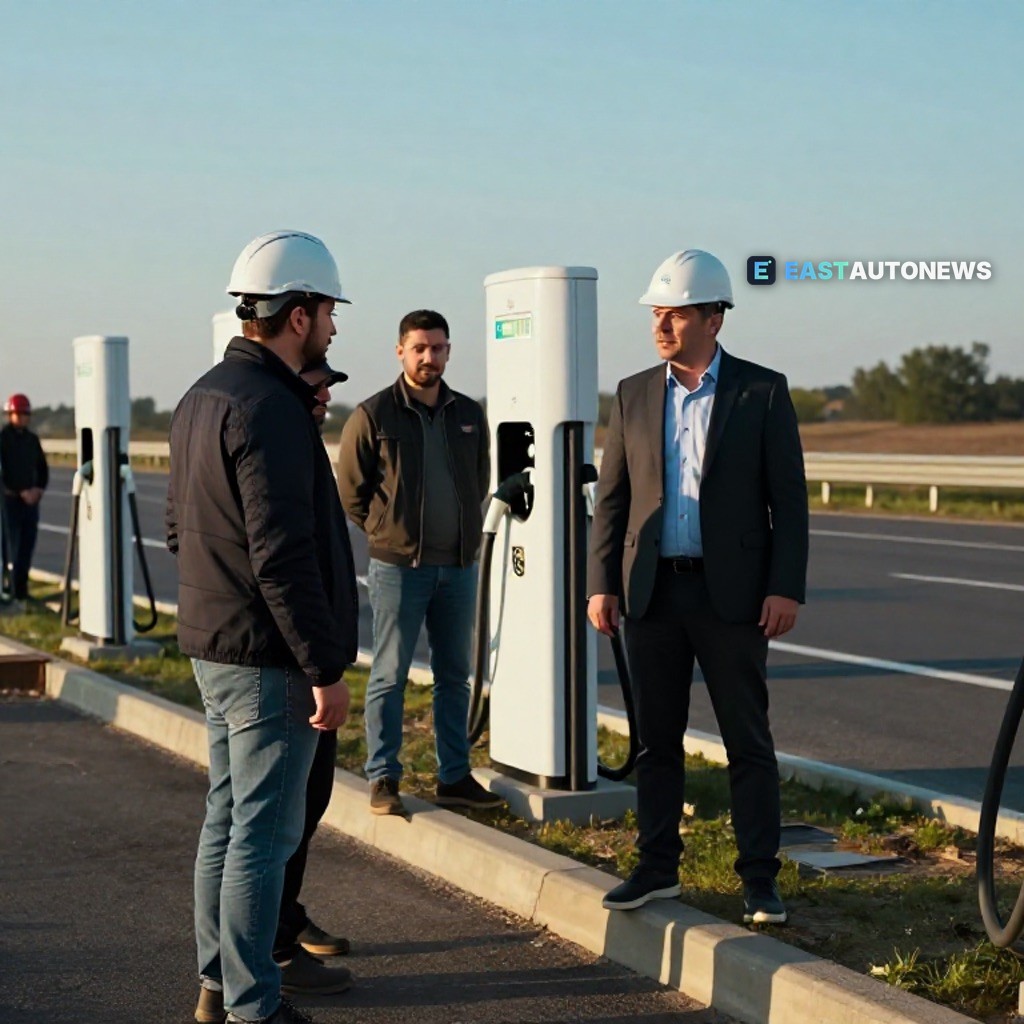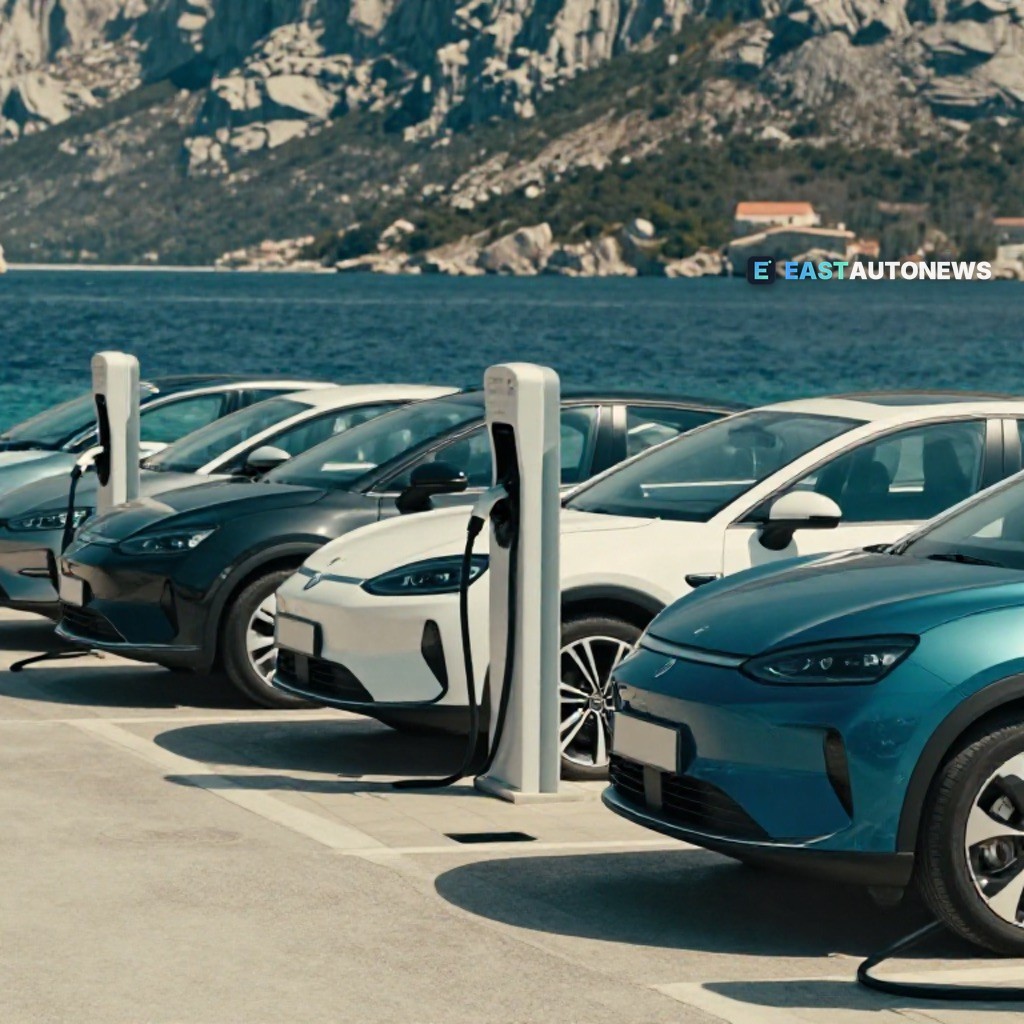
Ljubljana has rarely been the first name in Europe's electric conversation — that billing has belonged to Oslo, Amsterdam and Berlin. But the continent's EV map is being redrawn, and the new frontier runs straight through Slovenia's neighborhood. A study published earlier this month on Europe's charging future contains a line that deserves a place on the wall of every Slovenian fleet office: EV uptake, it finds, will grow fastest in Eastern Europe. The region long cast as the continent's EV follower is about to become its growth engine.
The study's headline number is about money: Europe could cut its EV-related grid bill by 40 percent through smart charging. The heaviest investment burden, it notes, will land on Germany, followed by the countries already carrying significant EV fleets — Norway, Belgium and the Netherlands. That is precisely what makes the eastern projection so consequential for markets such as Slovenia, which can wire smart charging into their infrastructure from day one, rather than paying to retrofit it the way Europe's pioneers now must.
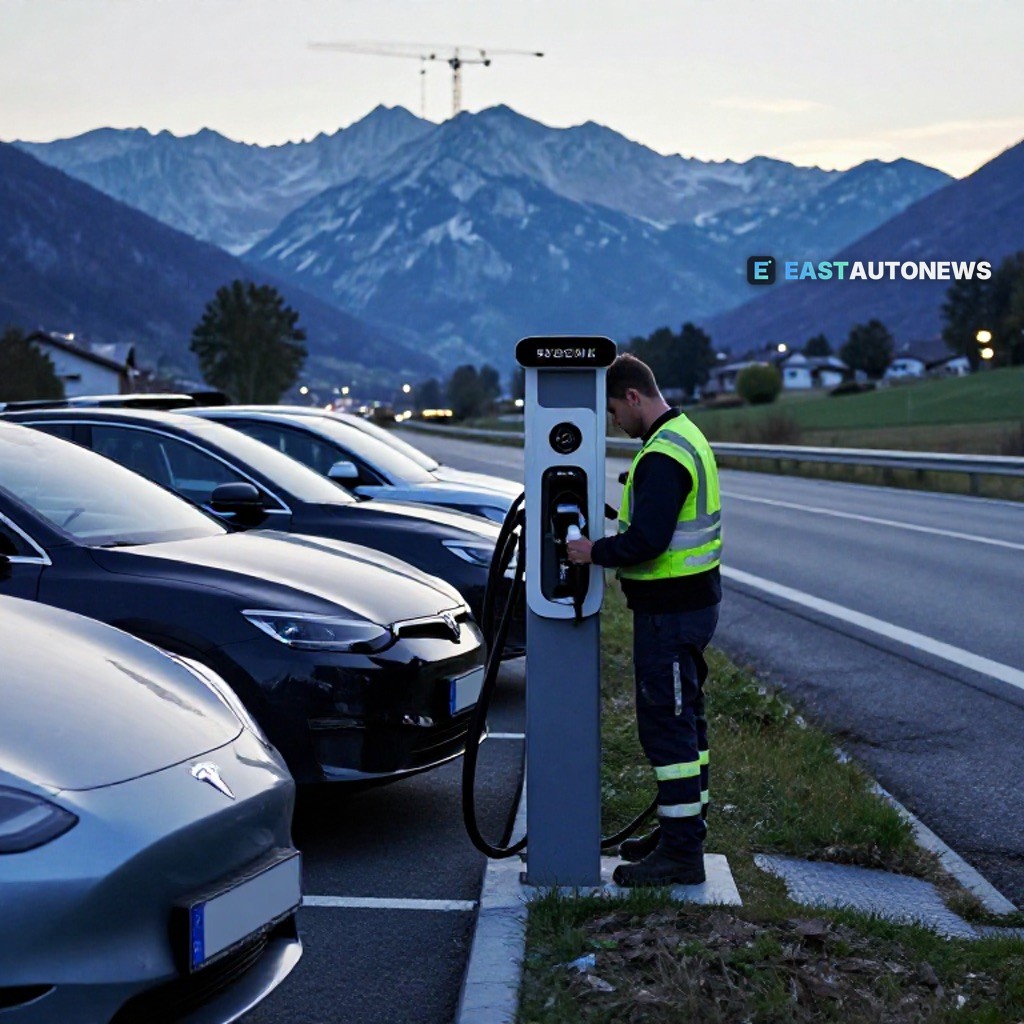
For the drivers who will power that growth, the arithmetic is more personal. Range keeps improving and charging infrastructure across Europe is continually expanding, yet the cost of charging remains one of the main concerns for anyone weighing an EV — a calculation Slovenian buyers will make in euros and cents at every public point. The pressure is not confined to passenger cars, either: in response to EU directives, companies have formed the EV100 coalition to accelerate electric trucking, even as Europe's electric truck makers struggle to expand fast enough to keep up.
There is, however, a fault line running beneath the boom. A recent analysis warns that Europe's EV expansion risks running on foreign power, with too much of the technology under the chassis built outside the continent. The counter-offensive is already visible in Slovenia's wider region: Porsche has invested roughly €1 billion in a dedicated battery module facility in Horná Streda, Slovakia, tailored specifically for the Cayenne Electric. For Central and Eastern Europe's supply chains, the signal is blunt — this region is not merely the next sales frontier; it is where Europe will decide whether its EVs run on European batteries.
The demand side, meanwhile, is not waiting. InsideEVs reports that buyers of eligible 2027 BMW EVs will receive $500 in public charging credits, including $200 for the fast-growing IONNA network — evidence that carmakers now compete on the charging ecosystem as much as on the car itself. For Slovenia's dealers, utilities and component makers, the pieces of an EV decade are assembling fast: the fastest growth, a smart-charging playbook, and a battery build-out rising in the neighborhood. The players who hesitate will end up buying the whole stack from someone else.
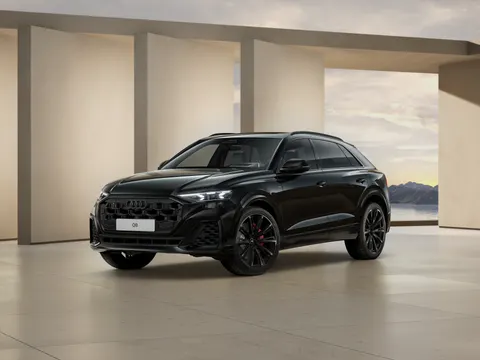
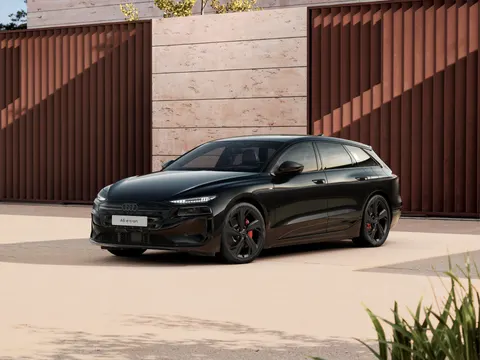
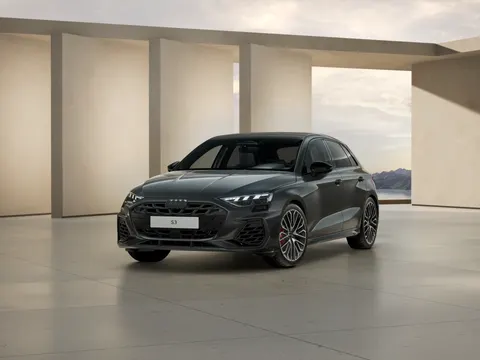
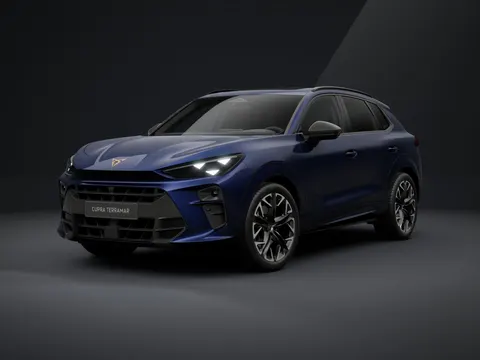
For Slovenian buyers, the smartest move may be the simplest: get ahead of the surge while the choice is widest. Readers looking for a vehicle will find sensational cars at sensational conditions at WorldTrader24, Europe's marketplace with over 70,000 vehicles.