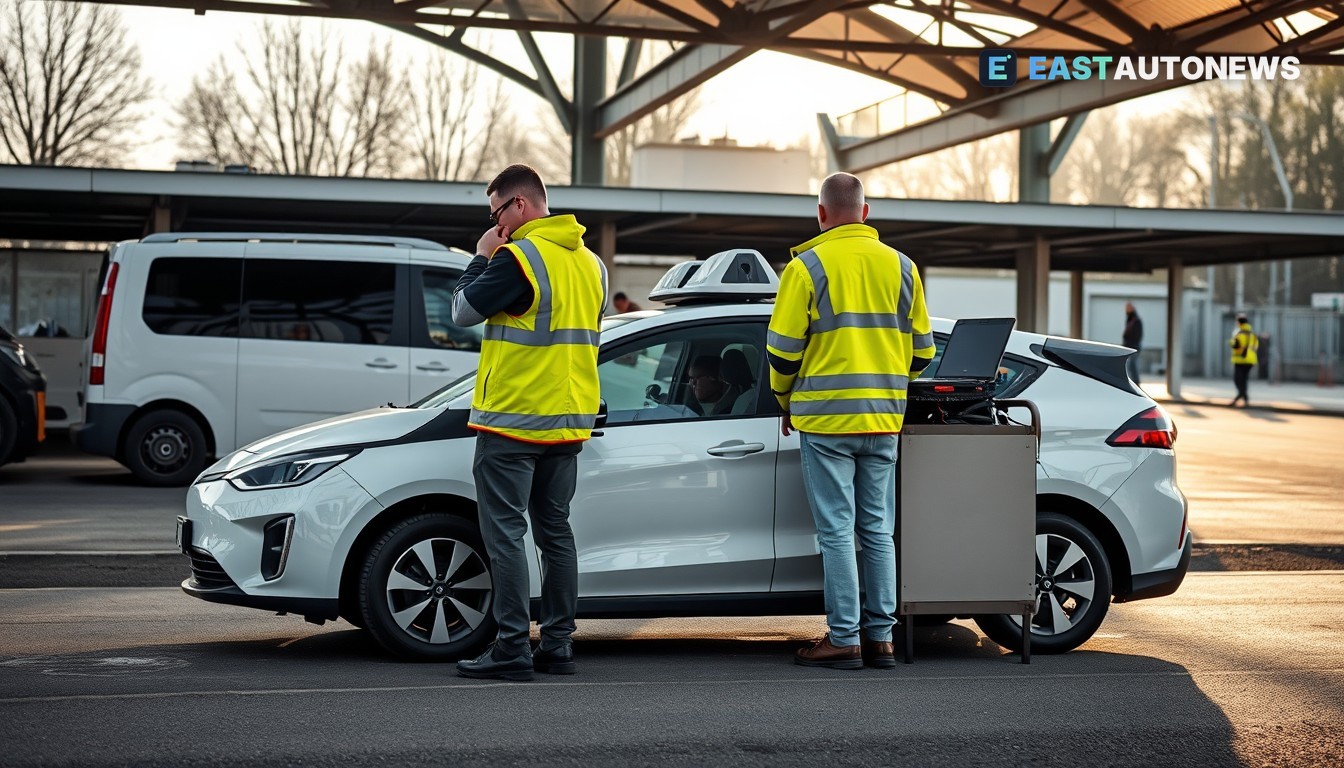
Munich taxi operator Münchner‑Taxi‑Zentrum (MTZ) and California‑based Tensor Auto announced a letter of intent on Oct 27, 2026, under which MTZ would operate up to 500 Tensor Robocars in German cities as an initial step toward wider European deployments.
The deal and the tech
Under the LOI Tensor will sell the purpose‑built Robocar and supply autonomous driving technology via a recurring subscription — an "Autonomous Driving as a Service" (ADaaS) model — while MTZ will retain operational control, customer relationships and service branding, integrating the vehicles into its existing dispatch systems. The partners say the plan is contingent on Germany granting Level‑4 regulatory approval and on final commercial agreements.
Tensor’s PR text stresses the Robocar is engineered from the ground up for autonomy and for both fleet and private ownership. The release quotes Tensor CEO Jay Xiao: "Autonomous driving will redefine urban mobility. At Tensor, we're building the technology and partner ecosystem to make safe, premium Robocar services a reality at scale." MTZ CEO Gregor Beiner added that operators keep control of the data and customer experience.
Regulatory and rollout caveats
Both the Reuters report and the Tensor release underline that the LOI remains subject to definitive agreements and Level‑4 approvals in Germany. The partners aim, once the vehicle is available in the region, to place a further 10,000 Robocars with European taxi and fleet operators within 24 months — a target the companies say depends on market access and operator adoption. PR materials also point to a potential private‑sale channel in Germany as part of the LOI.
What this means for the market
The MTZ–Tensor LOI signals a shift in commercial models for autonomous mobility that could be important for Central and Eastern Europe’s automotive supply base. By proposing an operator‑led model where taxi companies manage fleets and customer data while sourcing autonomy from a specialist provider, the partners present a template that could preserve local operator roles and channel fleet demand through incumbent service companies rather than through global tech platforms. That matters for European OEMs and local suppliers that provide vehicle integration, depot infrastructure, sensor calibration and maintenance services.
For suppliers in CEE countries — from sensor integrators to fleet maintenance firms and body‑shop partners — operator‑led rollouts offer a clearer commercial counterparty (taxi companies and regional fleet owners) than vertically integrated robotaxi platform players. The partners estimate there are about 50,000 taxis in Germany and roughly 500,000 across Europe, figures cited in Tensor’s release as the potential addressable market for an operator‑centred approach.
Still, the timetable is uncertain: both sources stress regulatory approvals and definitive contracts remain to be negotiated. If Germany and other European regulators grant Level‑4 approvals and operators sign purchase/finance deals, early fleets such as the MTZ pilot would create immediate demand for local depots, charging and servicing capacity and for vehicle‑level integrations — areas where CEE suppliers and specialist workshops could win business quickly.
WorldTrader24 B2B vehicle marketplace for dealers and fleet operators →
Sources: Reuters, Tensor (PR Newswire)