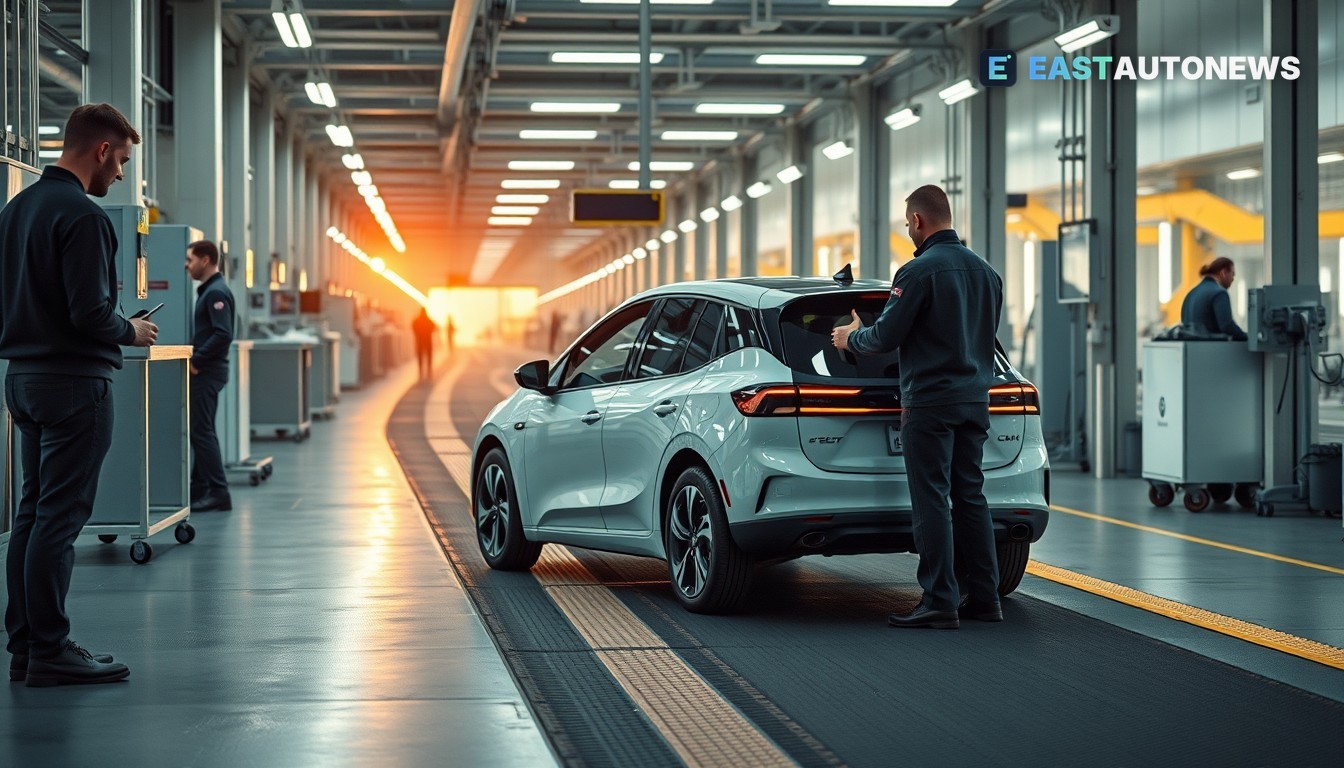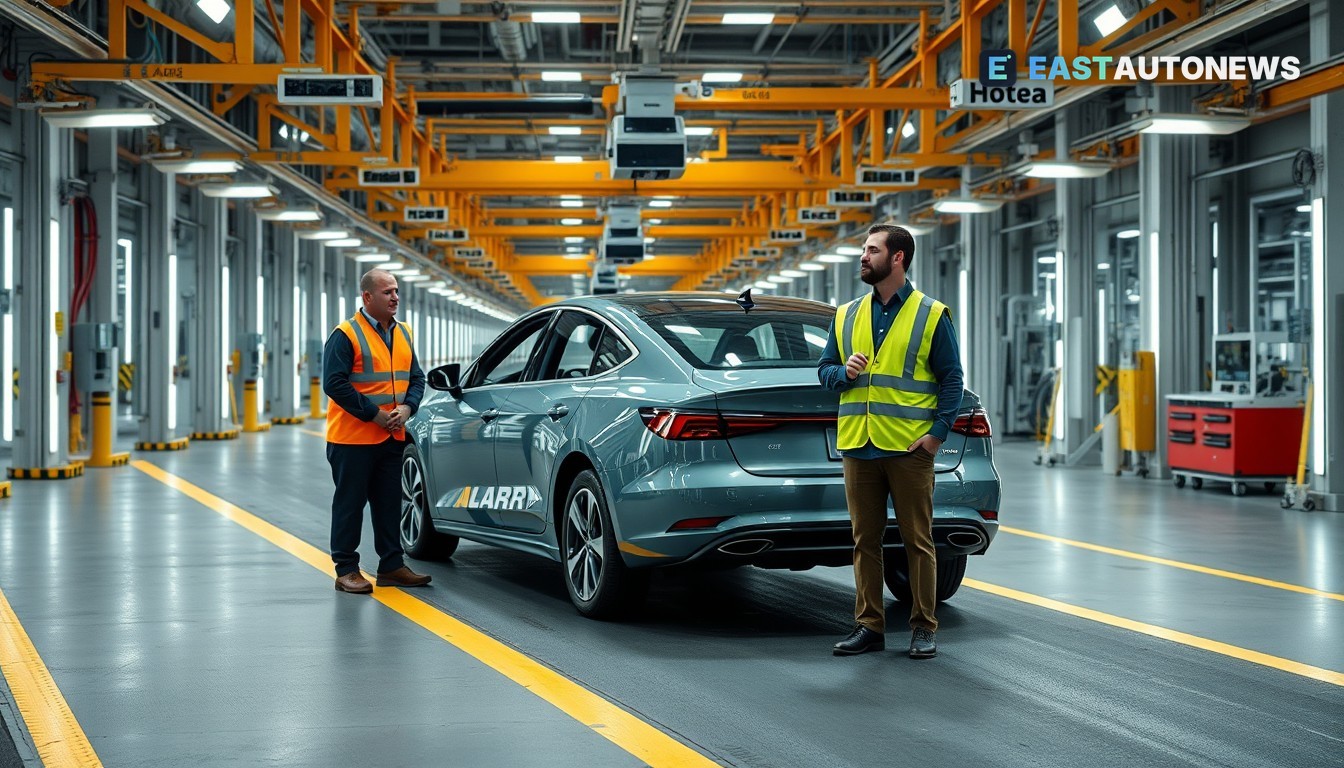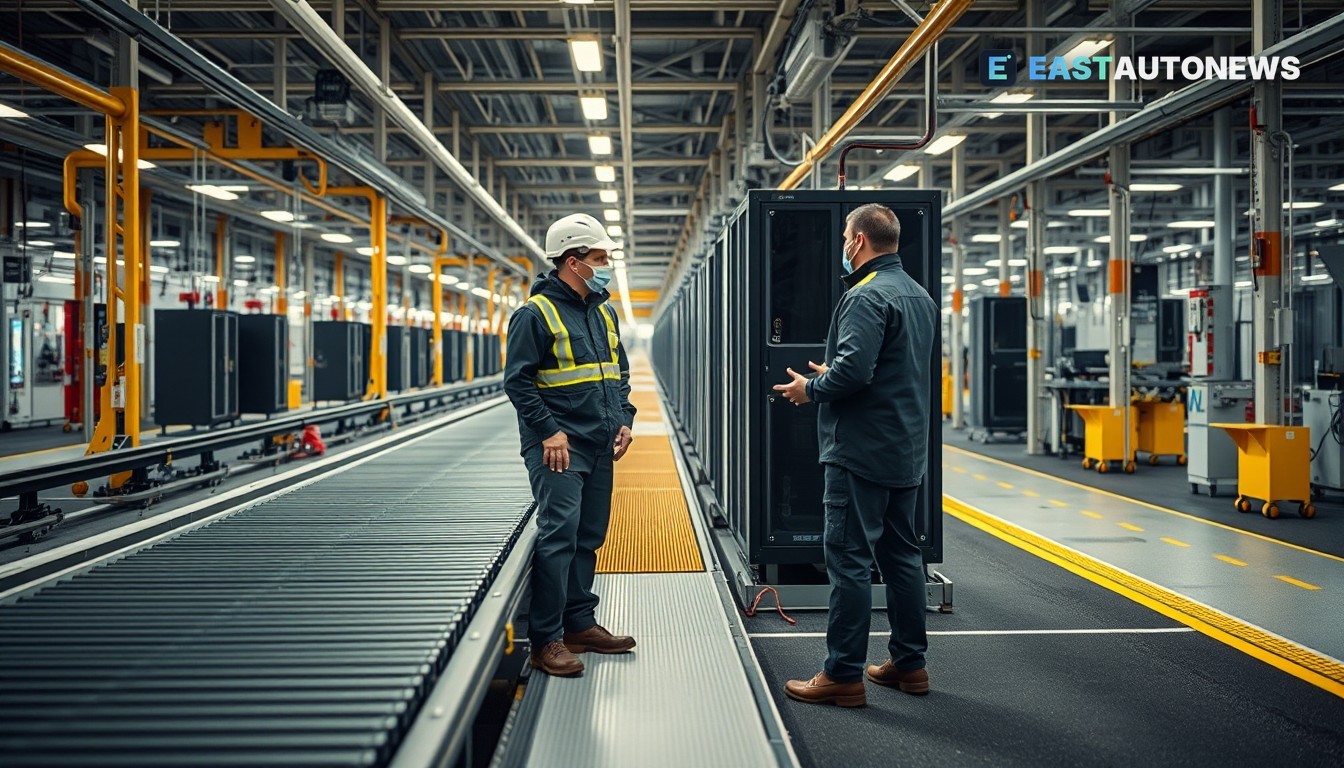
Last week’s wave of announcements around NVIDIA’s GTC in Berlin has concrete implications for Central and Eastern Europe: Vera Rubin — NVIDIA’s next‑generation agentic compute platform — is now in full production and the company unveiled DSX POD, a containerised “AI factory” reference design that partners say can be deployed in as little as 14 days once a site is ready. These moves, and Google Cloud’s planned Vera Rubin‑based A5X instances, turn physical AI from a lab play into a procurement and site‑preparation problem for manufacturers and dealer groups in the region.
What was announced and why it matters
At GTC Berlin (20–22 October) NVIDIA said a single Vera Rubin NVL72 rack carries 72 Rubin GPUs and 36 Vera CPUs, with liquid cooling and high memory density; DSX POD bundles seven such racks (about 504 Rubin GPUs) into a factory‑built module, and NVIDIA quoted a 14‑day site‑commissioning claim for a prepared site. Google Cloud has said Vera Rubin‑powered A5X instances would be available from November 2026. Siemens — cited as an industrial proof point — reported that AI work at its Erlangen electronics plant cut production‑preparation engineering effort by up to 85% and planning costs by up to 20%, showing how industrial AI pilots can translate into engineering savings.
Those numbers are concrete but conditional. A DSX POD still needs a grid connection, chilled water and fibre — the 14‑day figure applies only after site infrastructure and permitting are in place. The practical checklist published alongside the Berlin coverage is directly relevant to CEE plants: budget power and cooling headroom, segment and harden industrial networks, keep safety‑critical loops in certified hardware, instrument rotating assets for condition monitoring and plan spare‑parts coverage around the installed PLC/drive base rather than the AI hardware.
AI at dealerships and the retail front
The shift to agentic AI in compute centres has a parallel on the retail side. Dealers across Europe are already trialling conversational and workflow AI at the sales/service front‑end; a recent Pasch Group field report shows adoption depends more on process redesign than on the vendor chosen — the report found examples where redesign lifted contact rates by 19% versus peers on the same software. For CEE dealer groups, that means AI will amplify existing organisational strengths or weaknesses rather than replace them.
What this means for the market
For OEMs, Tier‑1s and large dealer groups in CEE the near‑term task is practical: treat AI as an infrastructure project, not only a modelling exercise. If Vera Rubin‑class racks become the compute layer for vision inspection, humanoid assistants or agentic fleet coordination, plants must audit electrical capacity, chilled‑water supplies and deterministic networking now — retrofitting later is slow and expensive. The Siemens example shows the upside: where pilots are well instrumented and integrated, engineering and planning work can fall sharply; but the savings are site‑specific and were reported by Siemens for a single electronics plant.
Regionally, KPMG’s CEE AI study (November 2025) underlines uneven readiness: CEE lags global leaders on organisational AI maturity and skills, so hardware availability alone will not guarantee value. That gap is an opportunity for suppliers, systems integrators and training providers to package site‑preparation, safety‑case work and lifecycle spares alongside compute offers.
CEE manufacturers should therefore prioritise three moves this quarter: (1) electrical and thermal headroom audits for plants and major dealerships, (2) a segmented, deterministic network plan for vision and agent traffic, and (3) a capability audit to identify where AI should advise — not replace — safety‑rated PLC control. These are logistics and engineering plays as much as software bets.
WorldTrader24 B2B vehicle marketplace for dealers and fleets →
Sources: Autodcstech, NVIDIA, Google Cloud, KPMG, Pasch Group