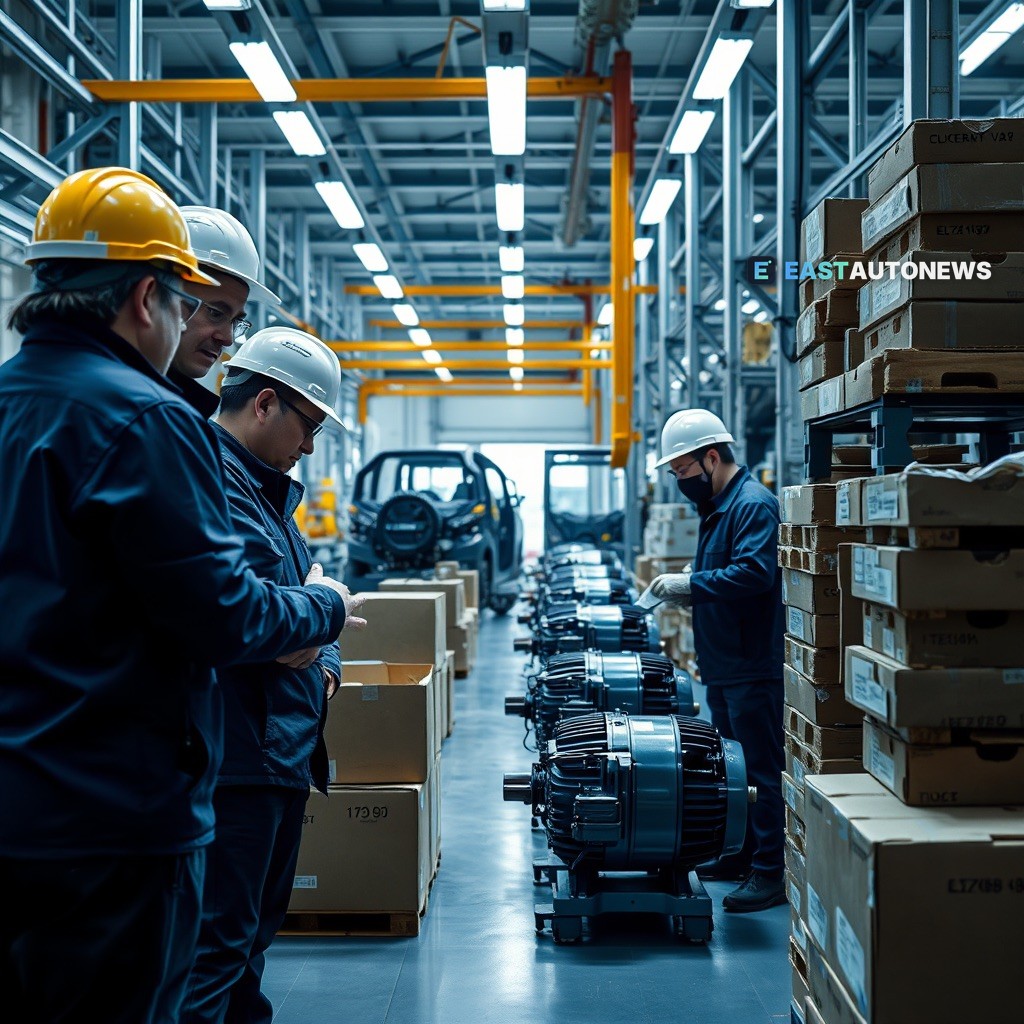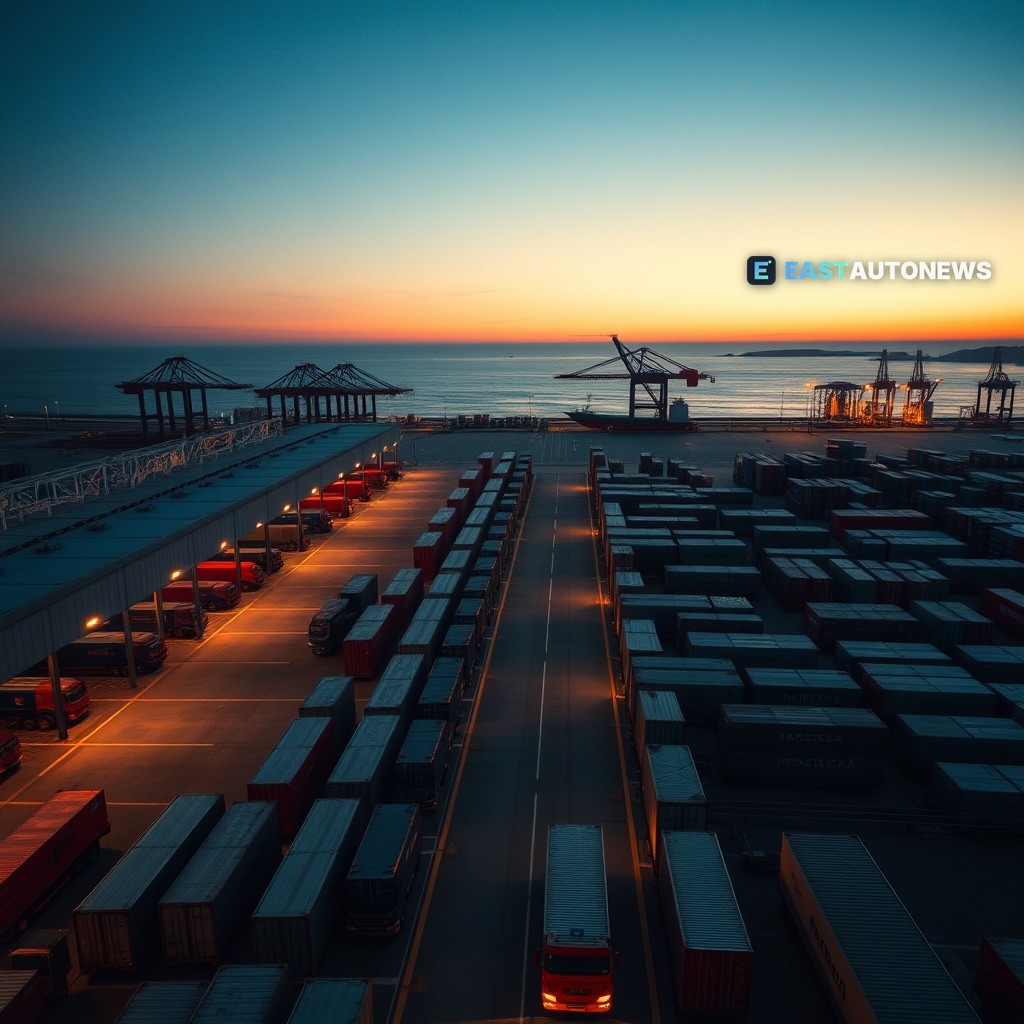
The cranes are back over Romania. According to EurobuildCEE, the country's industrial and logistics market is expanding as new supply rises by a striking 60 percent — steel frames and distribution halls climbing out of the ground at a pace few European markets can match. For the automotive trade, which lives and dies by the movement of parts and finished vehicles, that is not a real-estate footnote; it is infrastructure being laid down in real time.
The economics behind the boom are blunt. Mercedes chief Ola Källenius has pointed out that labour costs in China, Hungary, Romania and the United States are all lower than in Germany, adding that “eastern Europe as a whole is open to any industrialist looking to expand.” Romania sits squarely inside that bargain zone, and every sourcing decision that tilts toward the region demands modern warehouse space within a day's drive of the assembly lines.
Geopolitics is supplying a second engine. A Ukrainian MP has argued that Ukraine must develop new logistics routes through Romania and Moldova — a step that could strengthen cross-border ties and create additional opportunities for passenger movement and cargo transport. Communication has recently resumed regarding the possibility of opening a future border crossing, a sign that Europe's freight map is being redrawn with Romania as a landbridge rather than a dead end.
The tenants tell their own story. Automotive parts distributors have become the marquee names of the region's warehouse market: MLP Group signed its largest lease of 2026 with parts distributor Auto Partner for 42,000 sqm of warehouse and office space at the MLP Bieruń West park in Upper Silesia. The deal is Polish, but the appetite it reflects is sweeping south — and it matters beyond bricks. Global car-export rankings, in which China dominates bus manufacturing while Turkey and Poland hold strong positions, shift significantly once special-purpose vehicles, tractors and automotive parts are counted. Parts are precisely the cargo that fills halls like these.
Geography, meanwhile, keeps doing Romania favours. Sibiu — Hermannstadt to its Saxon founders, Nagyszeben in Hungarian — sits in central Romania, a Transylvanian crossroads through which trade has always moved. With supply surging and Ukraine's rerouted cargo looking for southern corridors, the country's central belt is quietly turning into one of Europe's most consequential logistics stages.
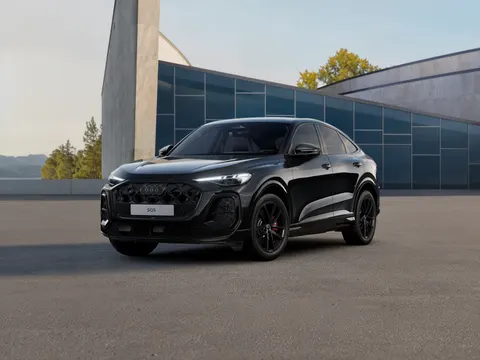
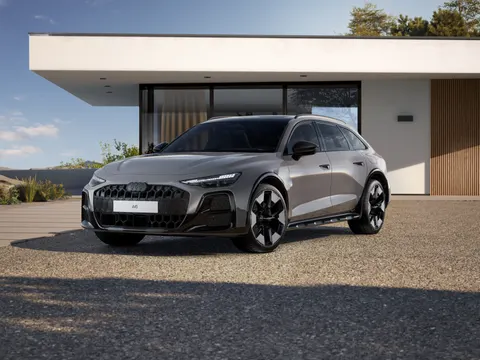
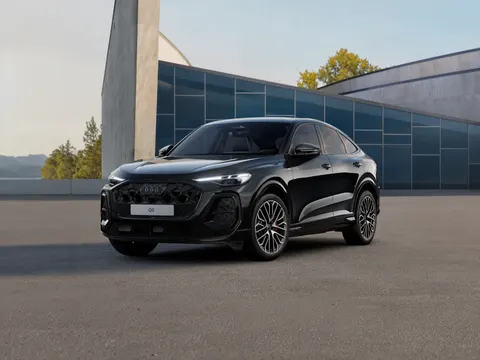
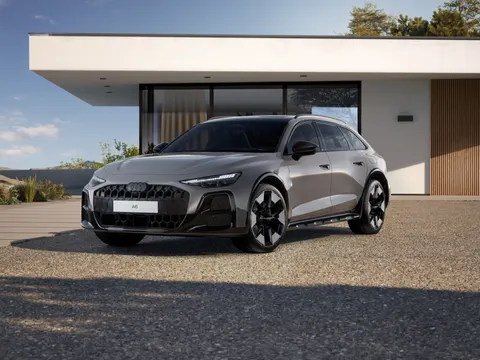
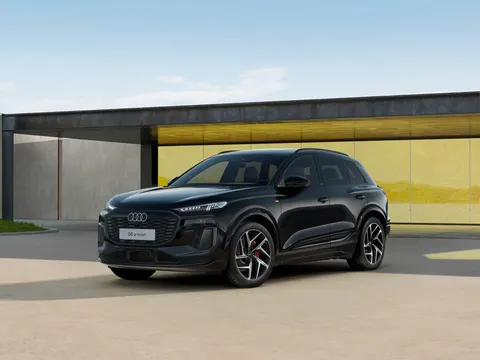
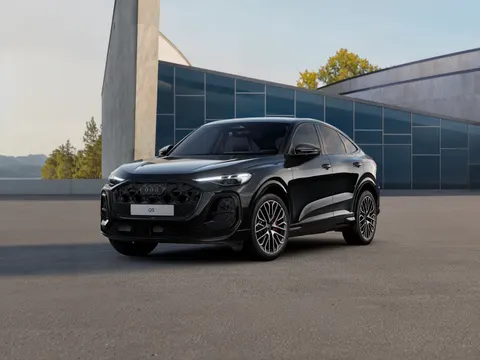
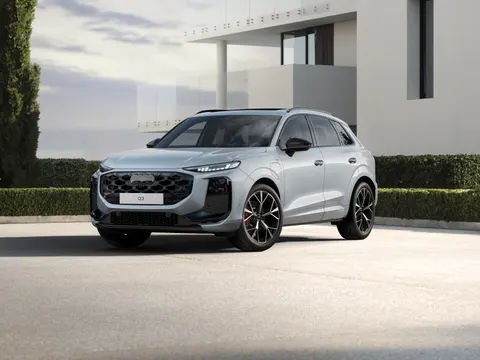
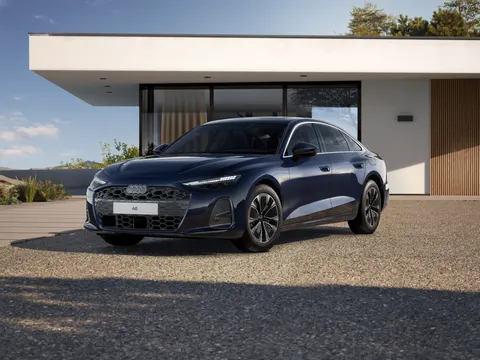
For businesses riding that wave — or anyone whose trade simply depends on the right vehicle — the market has never been broader. Readers looking for a car will find sensational vehicles at sensational conditions at WorldTrader24, Europe's marketplace with more than 70,000 vehicles.