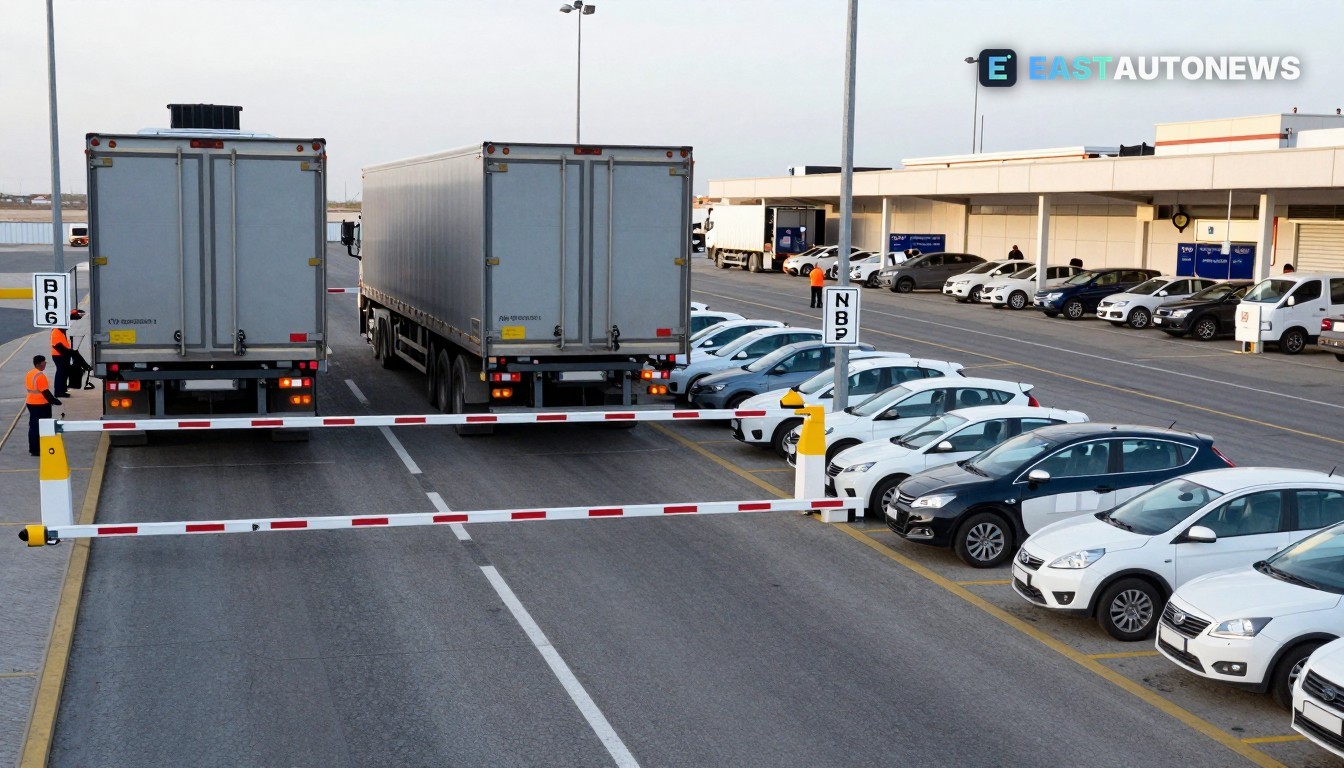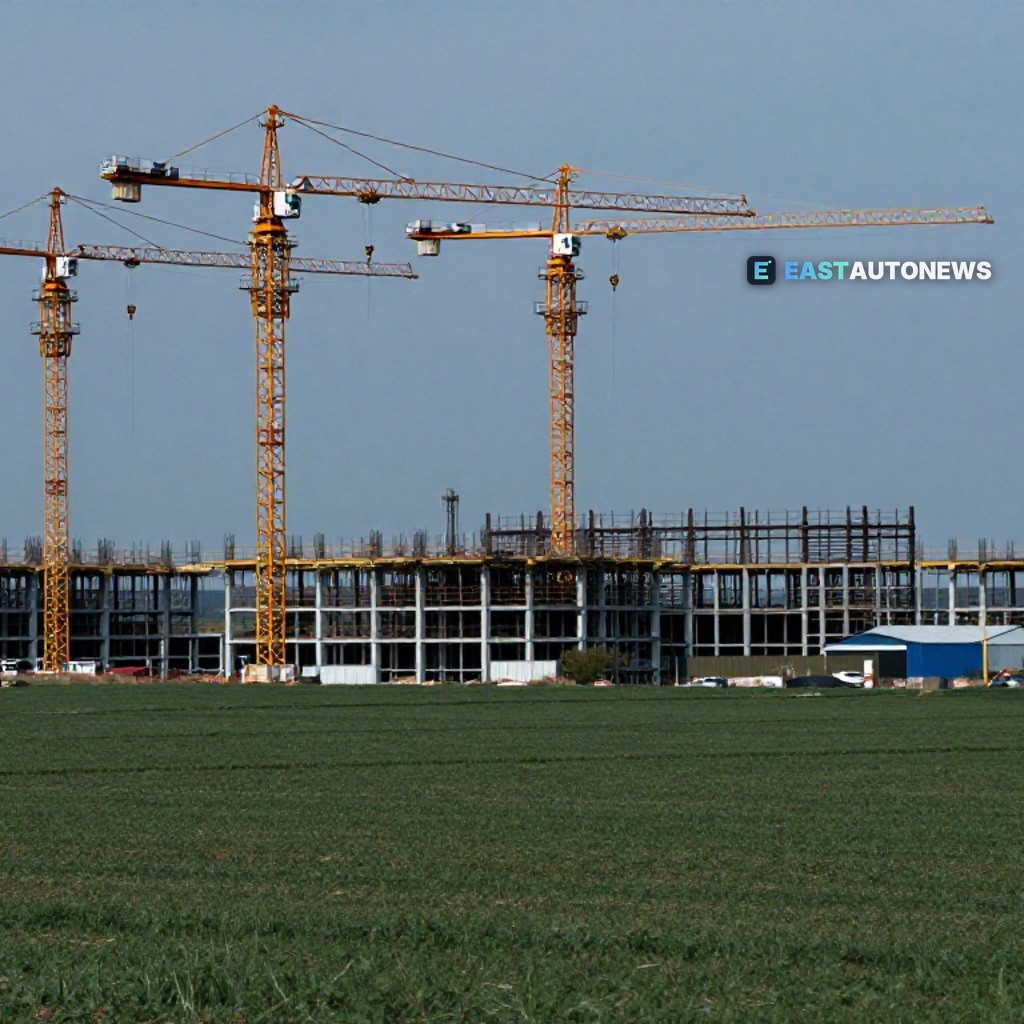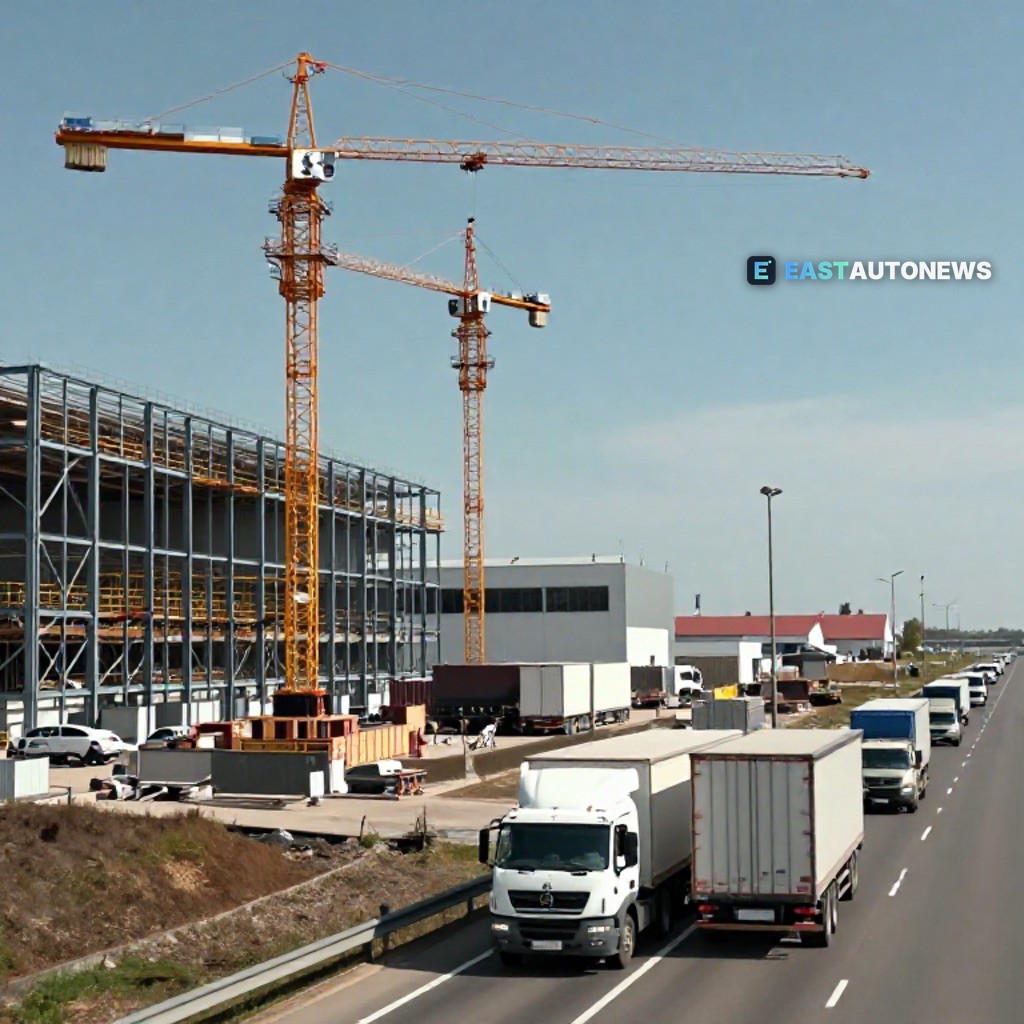
Hungary's logistics map is being redrawn around the factory floor rather than the capital. Developers are building warehouses near car plants and along motorway corridors instead of around Budapest, Bytes Europe reports, reflecting a straightforward commercial logic: industry is now setting the pace of Hungary's foreign trade, with figures from the Hungarian Central Statistical Office underlining how manufacturing drives the country's freight volumes.
The shift matters for anyone moving cargo through Central Europe. New logistics capacity is clustering where vehicles and components are actually produced — alongside assembly plants and the motorway corridors that link them to export markets — while Budapest loses its default role as the country's distribution hub. For automotive shippers and logistics operators, proximity to the production line is starting to trump proximity to the capital.
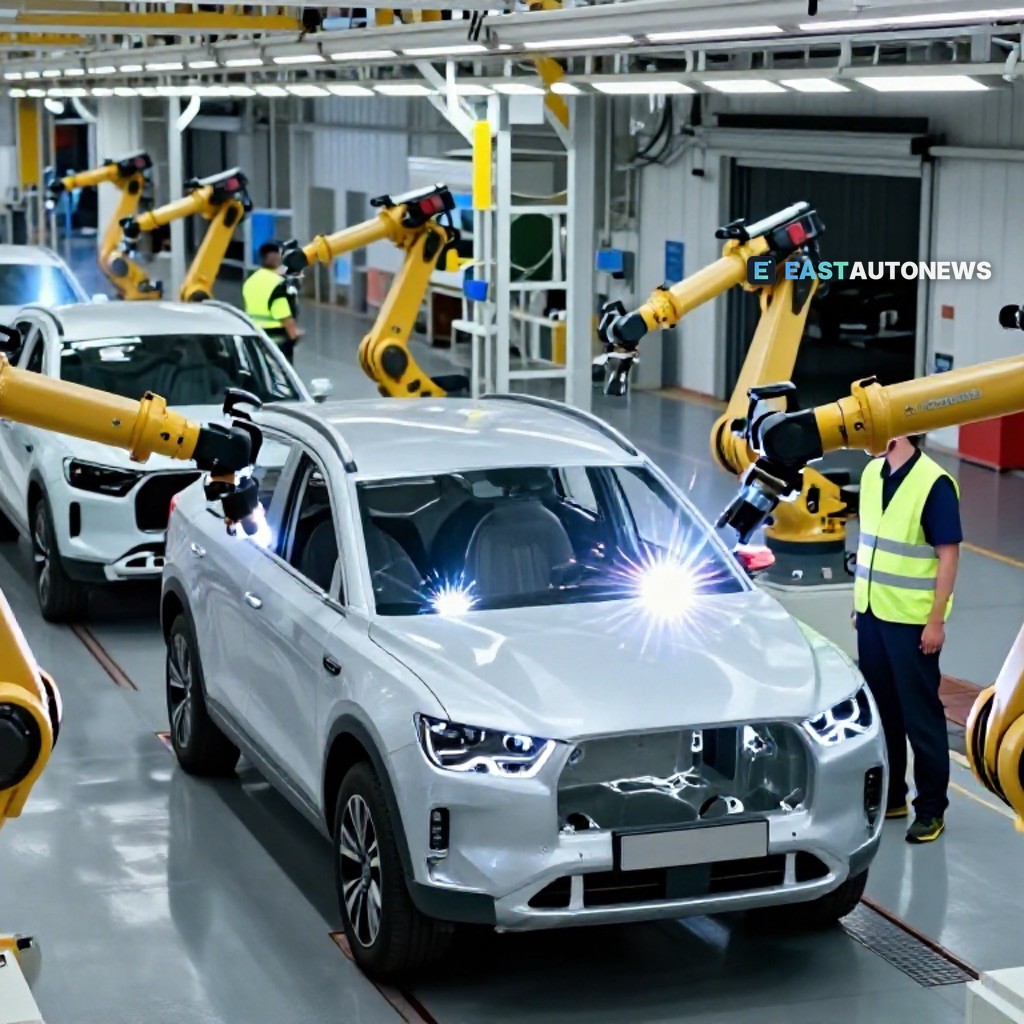
Chinese carmakers are part of that calculation. To reduce risks, Chinese automakers have been expanding production overseas to replace some direct exports, including by setting up plants in Brazil and Hungary, The Independent reports. S&P analysts say that shift could also weigh on China's export totals over time — but for Hungary it means more finished vehicles, parts and materials flowing through local supply chains, and more demand for exactly the kind of near-plant warehousing now under construction.
The export backdrop remains strong. China's passenger car exports surged again in October as domestic demand stays weak, and auto analysts including Cui now see full-year car exports exceeding 10 million, with Europe, Latin America, the Middle East and Southeast Asia among the key destination markets — an outlook that extends the 62% October jump in shipments EastAutoNews reported recently. Chinese electric-car exports more than doubled in 2025 to a record 2.5 million, while sales of Chinese-made electric cars in Europe rose nearly 50% to about 940,000, TechNode reports. As more of that production localizes in Hungary, growing volumes will be handled by Central European warehouses rather than Chinese ports.
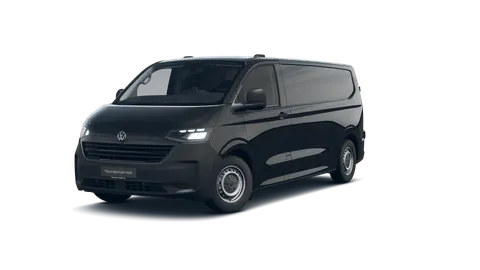
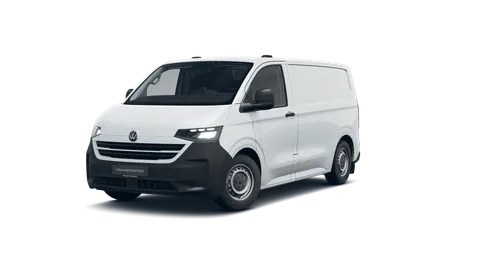
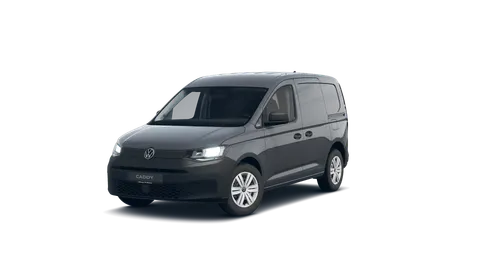
For logistics operators, fleet managers and dealers recalibrating around these new corridors, the right vehicles are half the equation — whether that means delivery vans, trucks or trade-fleet passenger cars. Readers looking for a vehicle can find sensational cars at sensational conditions at WorldTrader24, Europe's marketplace with over 70,000 vehicles.