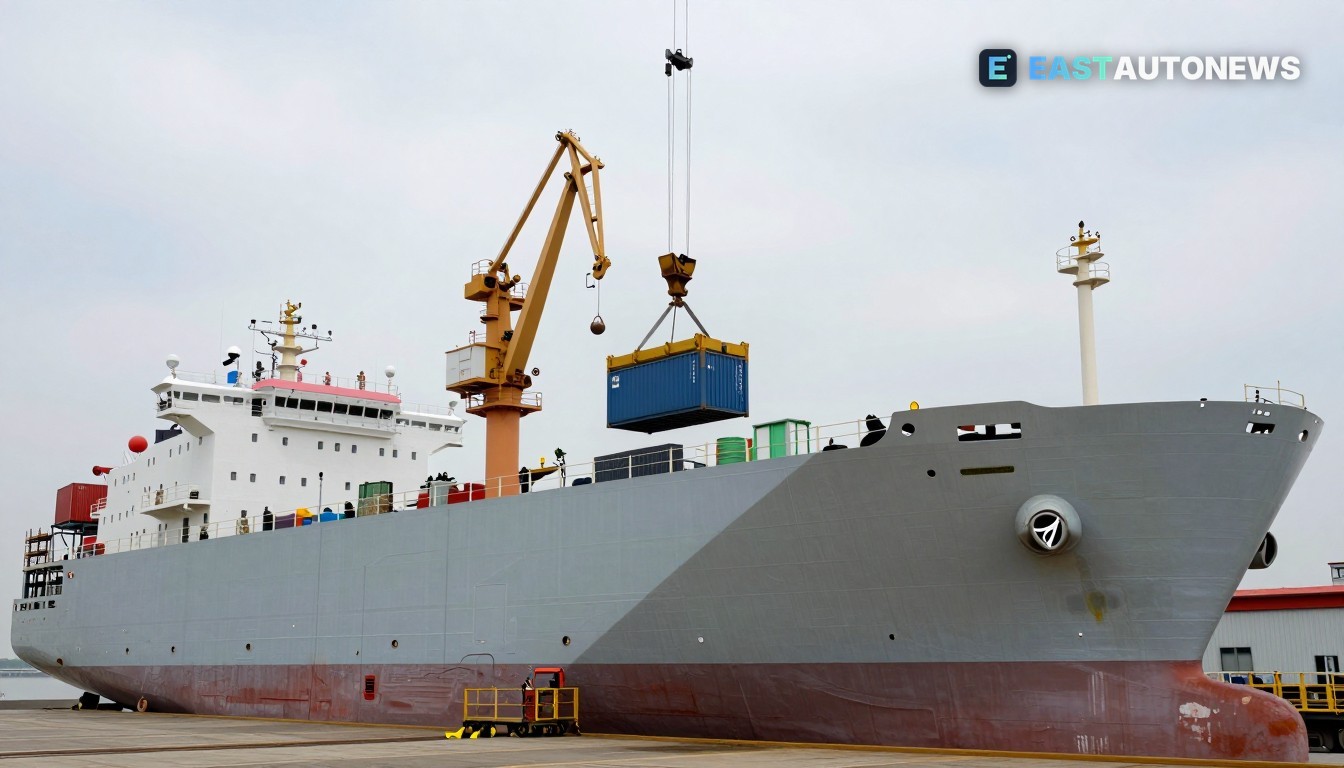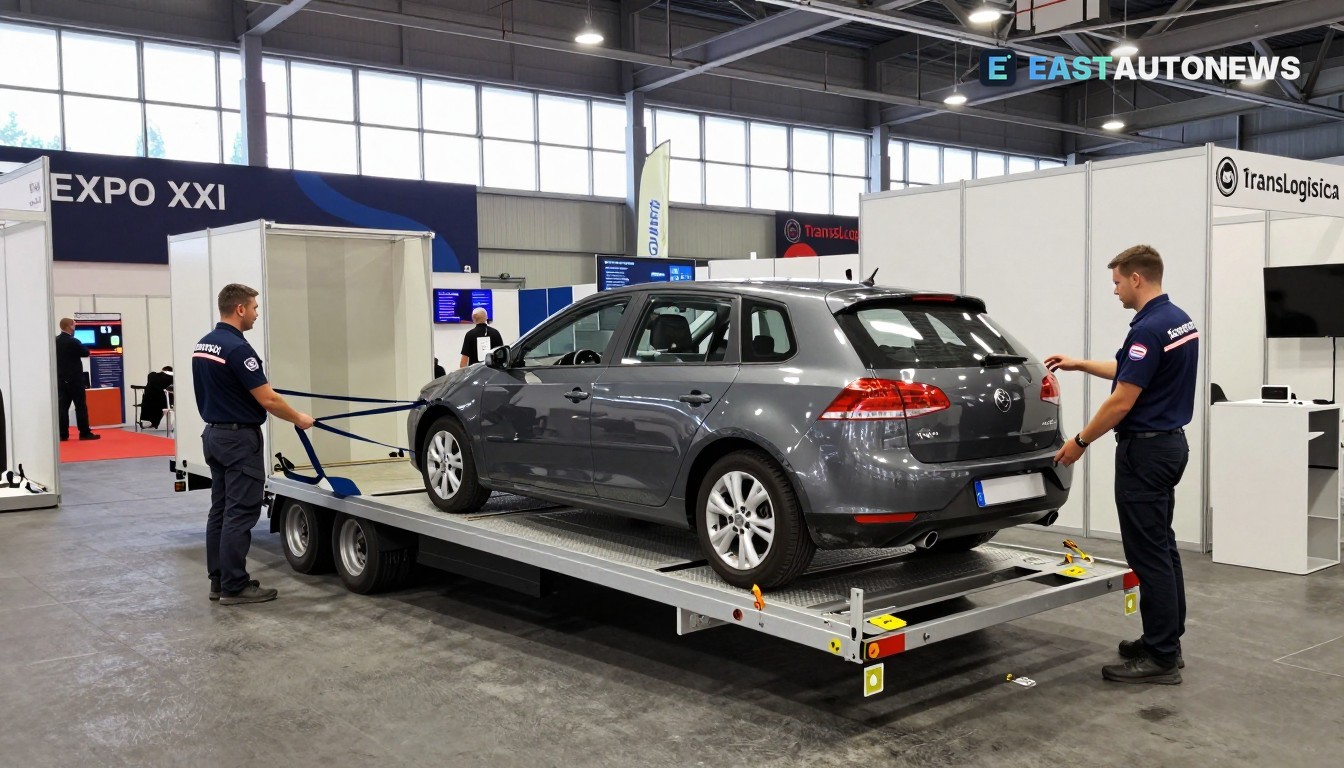
TransLogistica Poland, the region’s largest transport and logistics exhibition, ran in Warsaw from 3–5 November 2026 and underlined a growing focus on finished‑vehicle flows, intermodal capacity and EV handling for Central and Eastern Europe’s car industry. The organiser lists 500 exhibitors and about 15,000 participants for the 13th edition held at EXPO XXI.
What the show showcased
Companies from across Europe used the three‑day fair to promote multimodal links and last‑mile solutions aimed at shrinking lead times to assembly plants and dealer networks in Poland, Slovakia, Czechia and Hungary. International freight and forwarding groups including CLdN, Codognotto and Alpega were active on the floor, reflecting carrier and terminal operators’ interest in building shorter, more reliable links into CEE manufacturing and distribution hubs.
Organisers and exhibitors stressed two connected themes: digitisation to cut dwell times and paperwork, and multimodal routing that leans on rail and short‑sea services rather than long road hauls from northern European ports. Several stands and conference sessions highlighted intermodal products and booking platforms aimed at reducing the cost and unpredictability of inland carriage to automotive plants and vehicle distribution centres.
EVs, batteries and finished‑vehicle safety
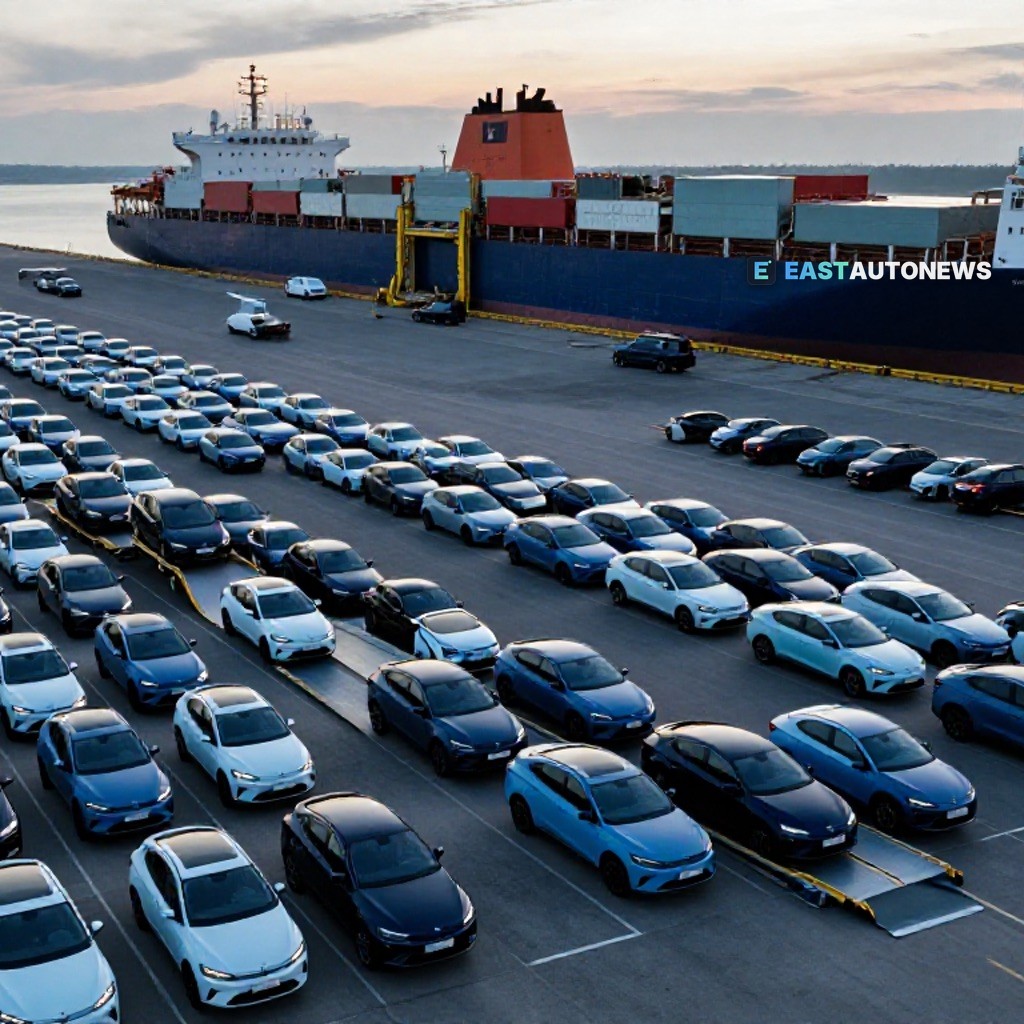
With Europe's EV volumes rising, sessions at TransLogistica emphasised specialised handling for battery‑equipped vehicles: segregated parking lanes, fire‑mitigation protocols and insurance‑friendly documentation to speed terminal processing. Exhibitors also discussed dedicated PDI and pre‑delivery inspection services for EV fleets, and packaging/charging station interface standards that reduce surprise delays at transit hubs. These topics mirror wider industry coverage of vehicle shipping and finished‑vehicle logistics.
What this means for the market
For OEMs and suppliers in Central and Eastern Europe the fair’s practical message was straightforward: logistics resilience now shapes competitiveness. Shorter, more predictable routes and better terminal handling for EVs cut time‑to‑market and lower warehousing costs — both crucial as CEE factories increase EV output. The event also signalled demand for digital booking and visibility tools that can knit together sea, rail and road legs into single customer offerings, reducing penalty risks from delays or regulatory checks.
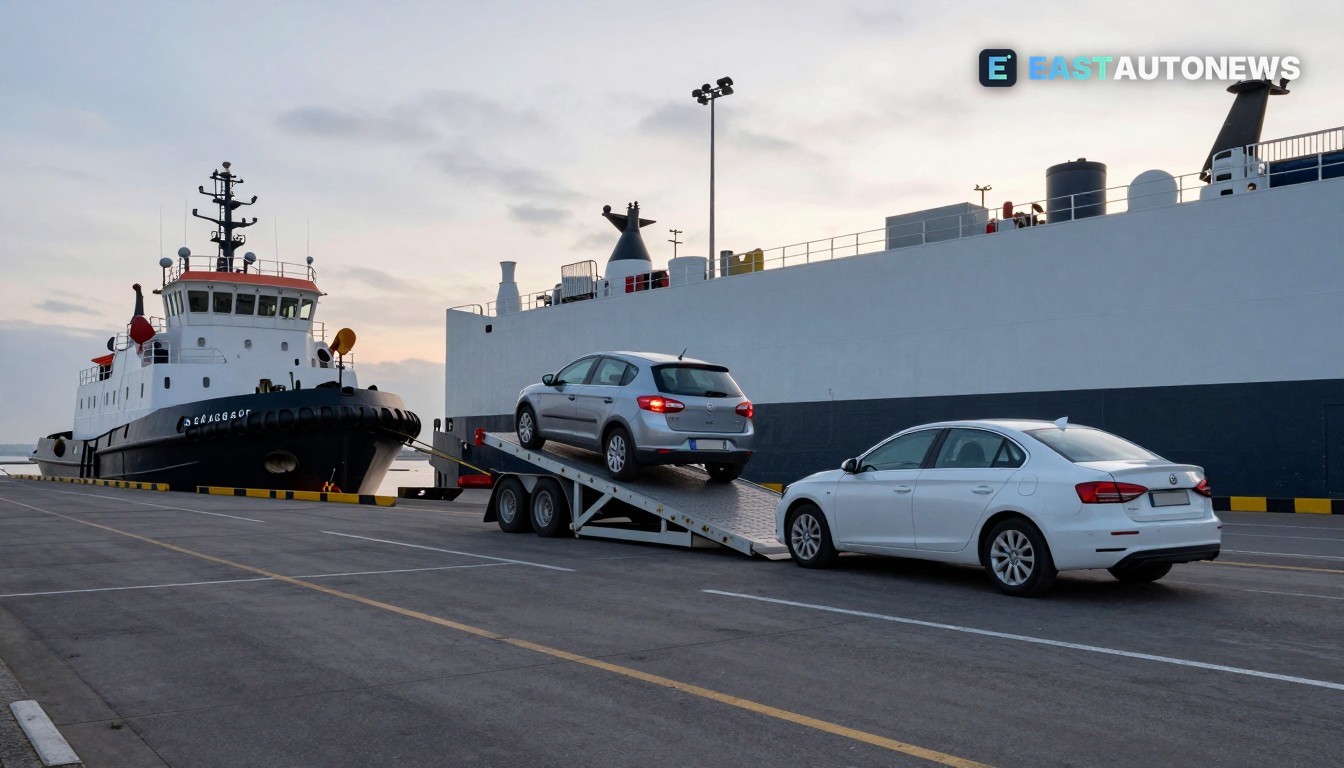
Logistics players attending TransLogistica will press carriers and terminals for capacity guarantees and productised multimodal lanes tailored to vehicle volumes from major CEE plants. That could accelerate the development of dedicated vehicle trains, short‑sea ro‑ro calls and bundled PDI services — practical moves that directly affect production scheduling and dealer deliveries across the region.
B2B vehicle listings for dealers on WorldTrader24 →
Sources: TransLogistica Poland, AJOT, TrustedCarrier, Baltic Transport Journal, CLdN LinkedIn