Bratislava has quietly slid open a door that most of the EU keeps firmly shut. This week, Slovakia moved to revive its intergovernmental commission with Russia, putting a formal trade and economic channel between an EU capital and Moscow back on the table. The question rippling through Central European boardrooms is a blunt one: what brought it back? The answer is written into the very structure of the Slovak economy.
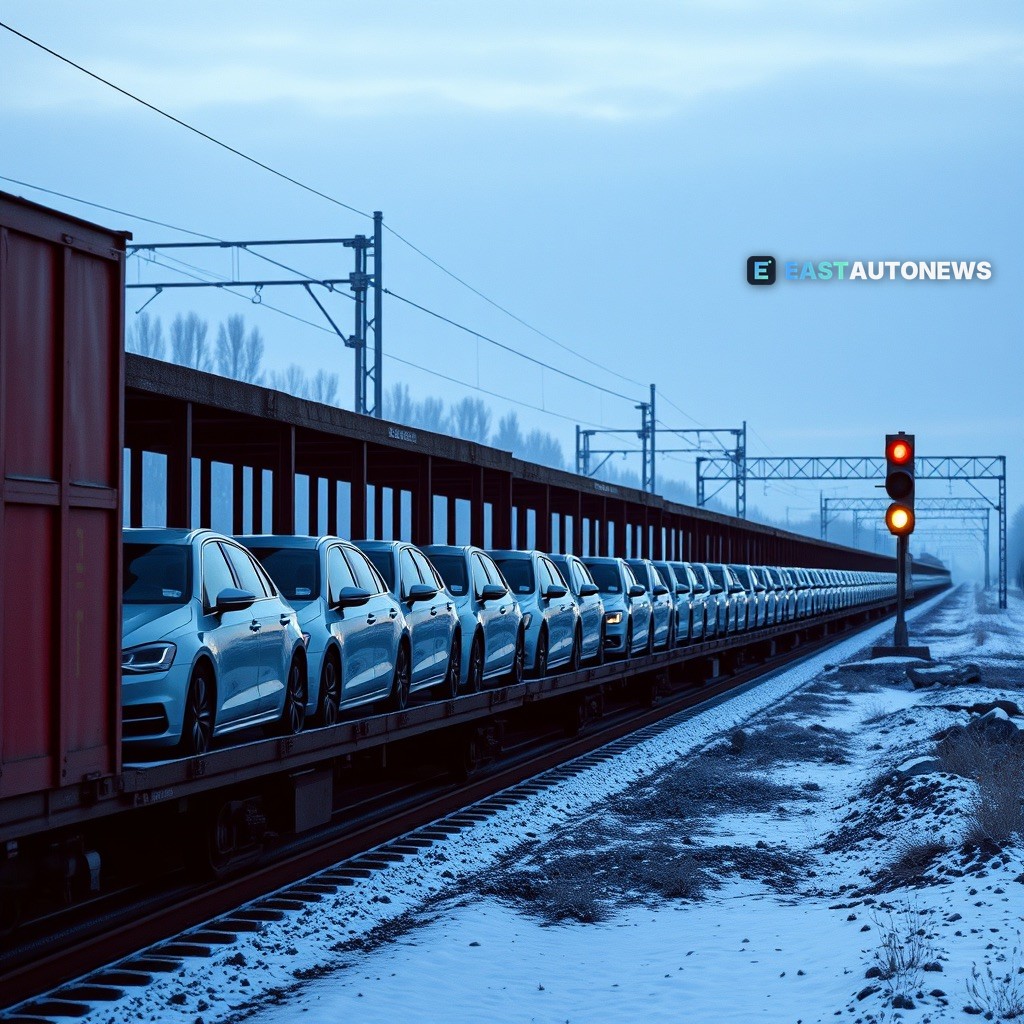
Slovakia is one of Europe's most export-dependent economies, with exports accounting for roughly 90% of GDP. The cornerstone of that trade is the automotive industry, which employs more than 230,000 people. In a country this exposed, any wobble in trade flows — tariffs, subsidy rules, a swing in demand — is felt on the factory floor long before it shows up in a statistic. Keeping every corridor open, west and east, is less a diplomatic choice than an economic reflex.
The export map shows exactly where the exposure lies. Germany absorbs 23% of Slovak exports, the Czech Republic 12.4%, Poland 8.3% and Austria 5.7% — a near-total orientation toward the European core. That integration underpins the country's prosperity, yet the wealth it generates is unevenly spread, and Slovakia continues to struggle with regional imbalances. It also leaves Bratislava acutely sensitive to any redesign of Europe's trade rulebook, from subsidy plans that reward European-made parts to the geopolitics of supply chains.
Meanwhile, the industrial map is being redrawn by capital arriving from an entirely different direction. In Košice, the eastern Slovak city where steel formed the backbone for decades, Volvo is building an electric vehicle plant just outside the city. The project — from the Swedish brand owned by China's Geely — is being read as a signal of a broader Chinese investment push into Eastern Europe, and as a new industrial chapter for a part of the country that has waited longest for one.
For trade and logistics watchers, the through-line is unmistakable: a country that ships around nine-tenths of its GDP across its borders cannot afford closed doors — not to the German OEMs anchoring its industry, not to the Chinese groups building its next-generation plants, and, as this week's move shows, not eastward either. How Brussels responds to a member state reopening the Russia channel is now the open question. For now, Slovakia is playing every card its export machine deals it.
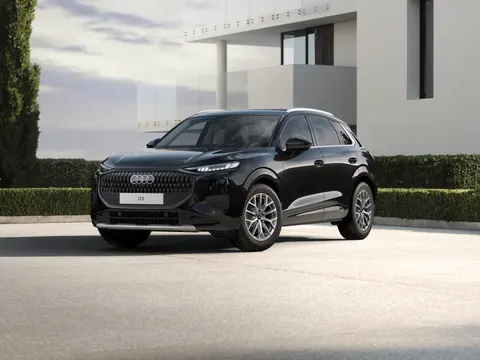
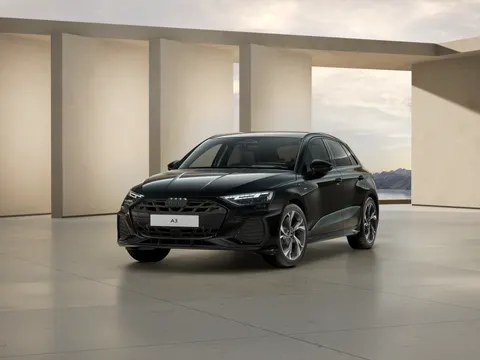
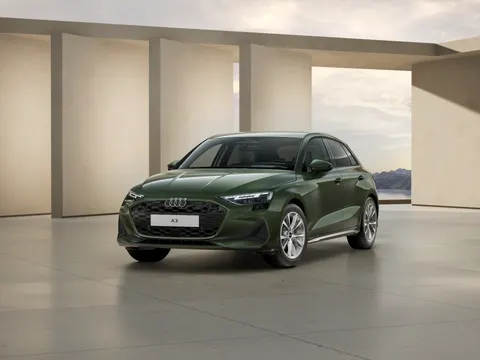
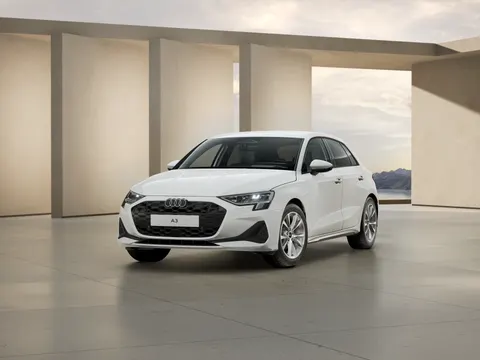
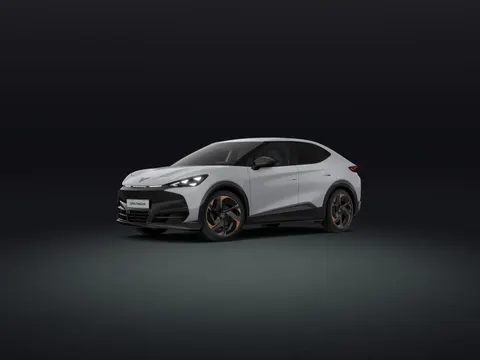
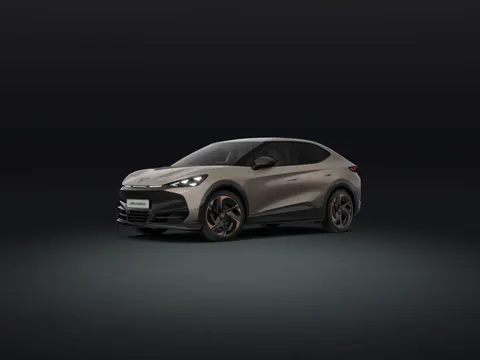
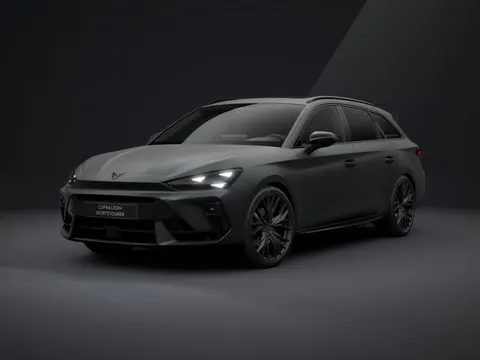
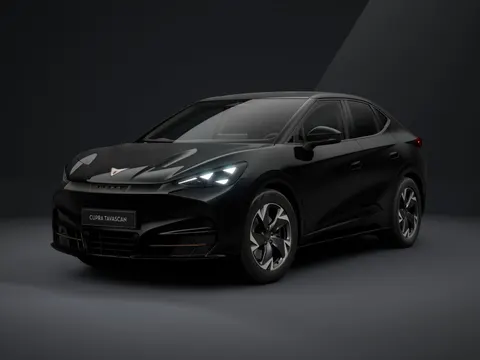
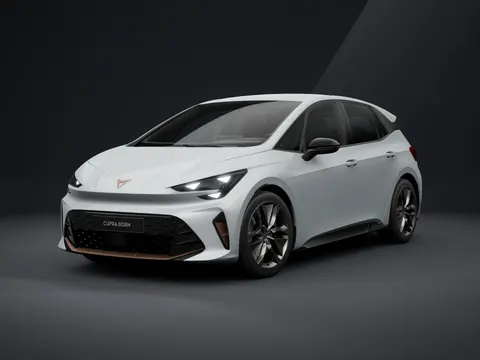
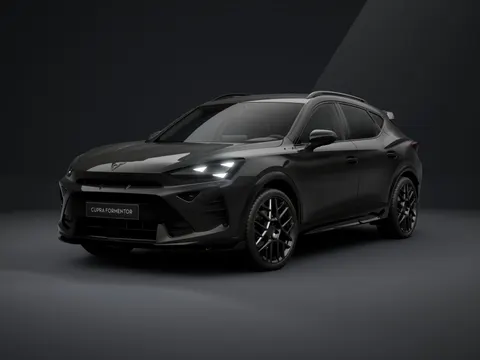
From Bratislava's assembly lines to dealer lots across the continent, it all comes down to putting the right vehicle in the right hands. Readers currently looking for a vehicle will find sensational cars at sensational conditions at WorldTrader24, Europe's marketplace with over 70,000 vehicles.