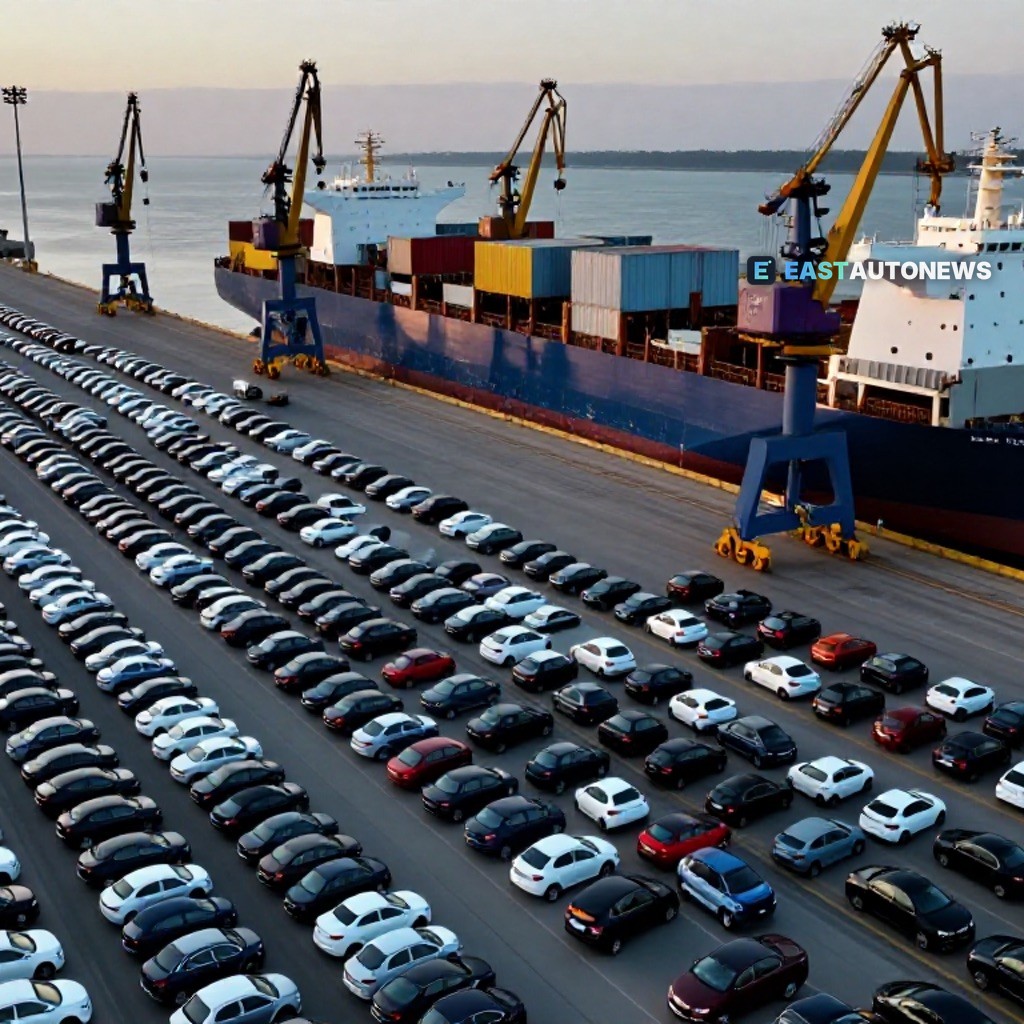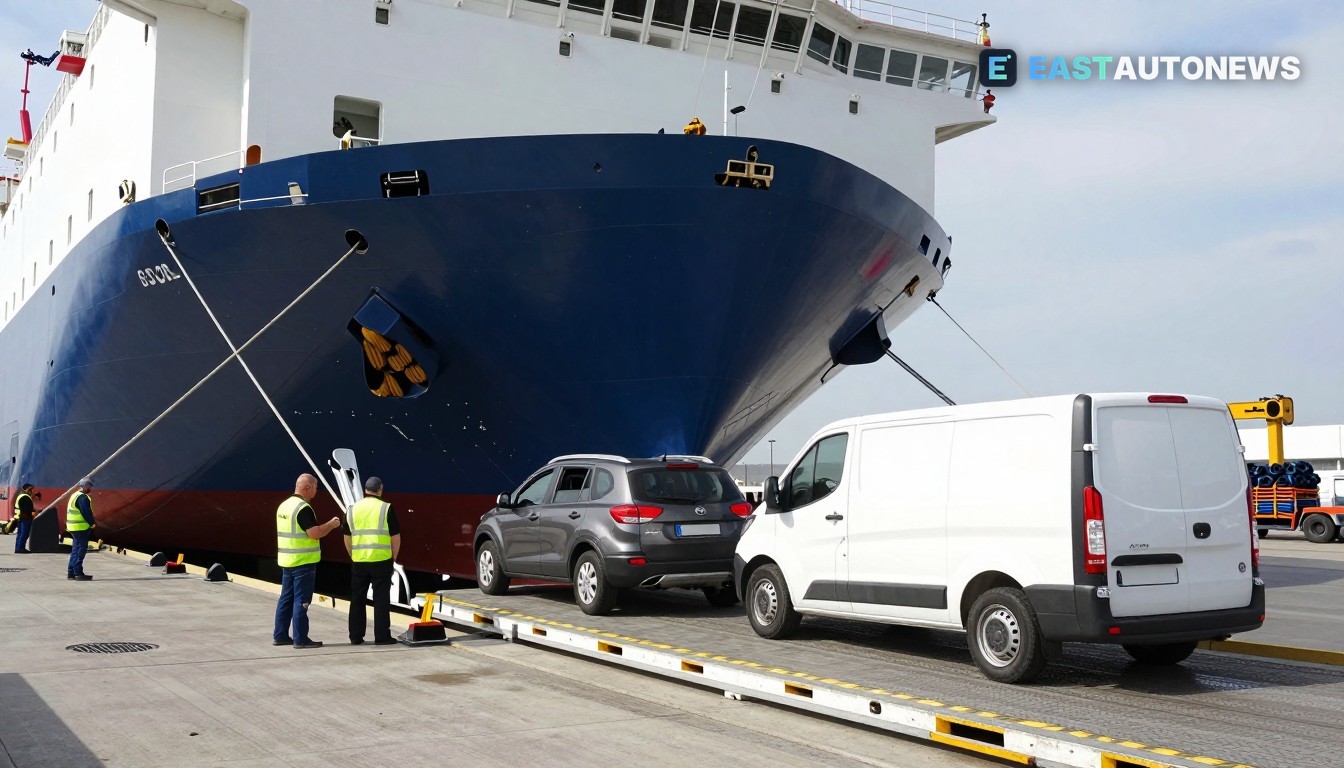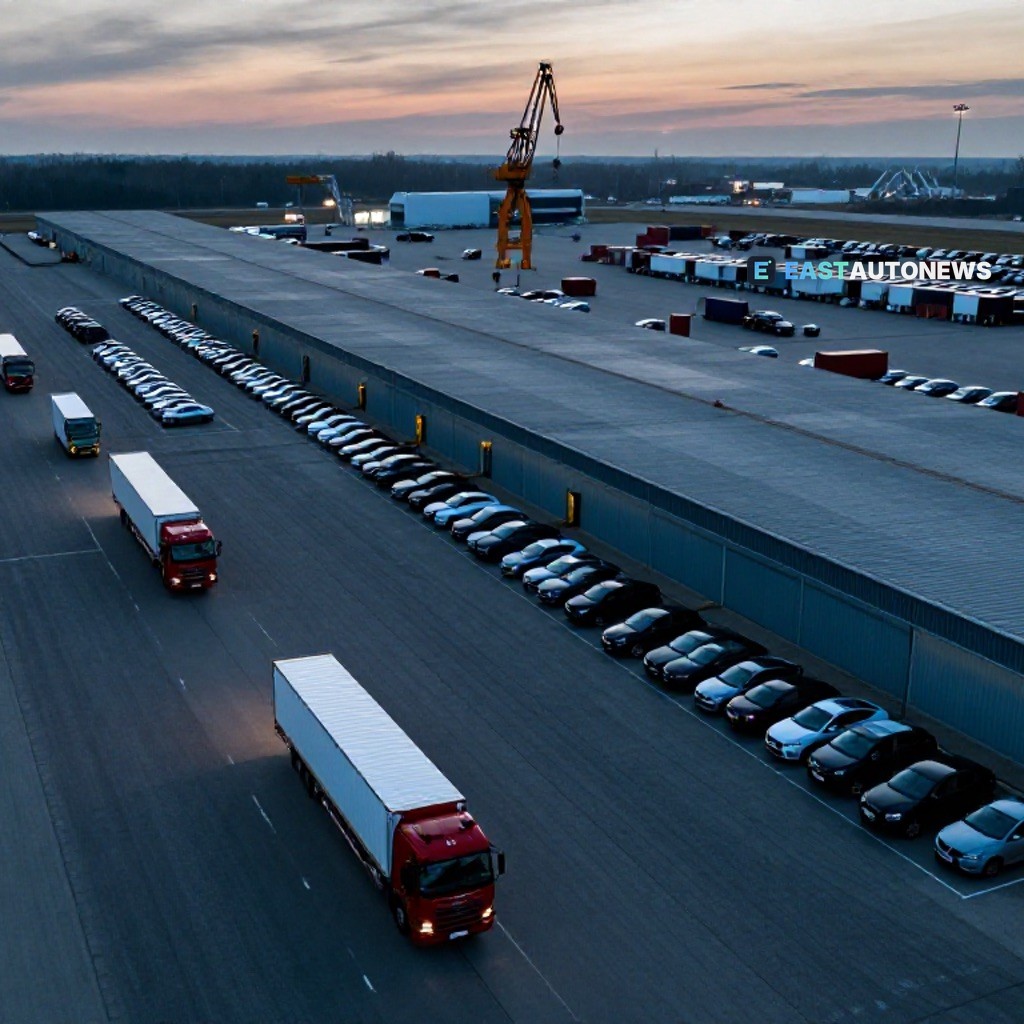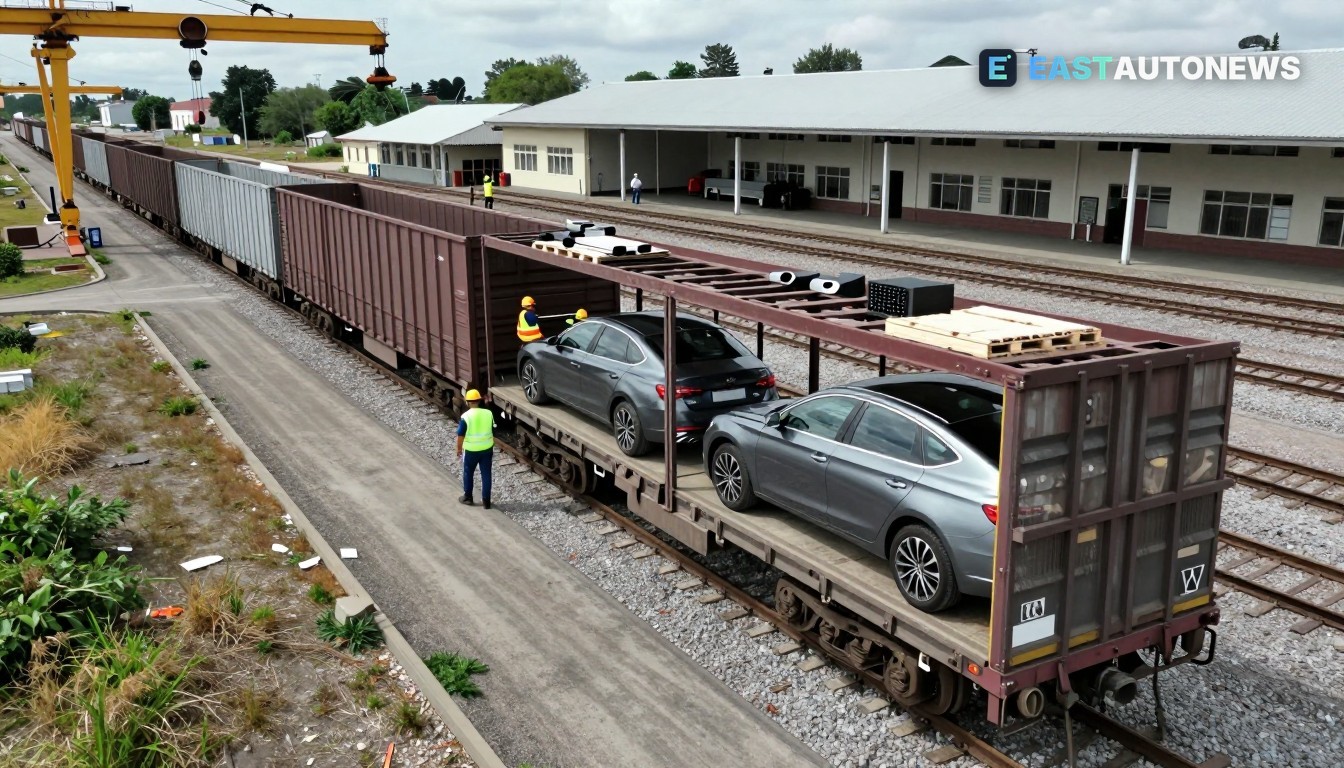
On 9 November 2026 a China–Europe Railway Express departed Chongqing’s Tuanjiecun Central Station carrying finished cars and automotive parts — the run that took Chongqing’s 2026 China–Europe service past 1,000 departures for the year. The milestone was recorded by state media and regional press on 9–10 November.
What the milestone contains
The Xinhua dispatch said the Chongqing hub now operates 55 stable routes and that its trains connect to about 120 hub cities in 39 countries. The November 9 departure — explicitly described in Chinese reports as “fully loaded with complete vehicles and spare parts” — underlines how finished-vehicle and parts flows are increasingly being routed overland as an alternative or complement to sea.
Chinese and Chongqing provincial outlets note the routes serve a wide Eurasian footprint and highlighted regular services to European hubs that act as gateways into Central and Eastern Europe. Regional reporting has previously described trains from Chongqing and neighbouring inland ports as reaching destinations that feed into Poland, Hungary and Germany — countries that are major distribution and final‑miles points for vehicle imports and components.
What this means for the market
For carmakers and suppliers in Central and Eastern Europe the Chongqing milestone is practical: more frequent and routinised rail capacity from western China means an additional, often faster and more schedule‑reliable channel for inbound components and, in some trade lanes, finished vehicles. Rail transit times from inland China to Central Europe typically run in the two‑to‑three‑week band, shorter than many sea‑via‑Mediterranean routings when transshipment and feeder delays are counted. The November 9 report specifically flagging finished cars and parts points to growing use of the corridor for automotive supply chains.
Logistics managers should treat four facts as operationally relevant: the date (Nov 9, 2026) when Chongqing recorded the 1,000th train; the nature of cargo (finished vehicles and parts) on the milestone service; the scale of the network (55 routes, 120 hub cities across 39 countries); and the regularity that comes with higher frequency — all documented in the regional and national reports. These are practical indicators to re‑assess lead times, routing choices and buffer stock policies for CEE plants and parts warehouses.
Operators in Central and Eastern Europe — ports, rail terminals and inland distribution providers — stand to see increased inbound rail calls as shippers diversify away from congested transshipment hubs. That creates both opportunity (more throughput, hinterland rail work) and challenge (slotting trains into existing terminal windows, customs handling and last‑mile truck capacity). Market participants should confirm routings, transit times and equipment availability with rail operators and forwarders now that Chongqing’s services have reached this scale.
WorldTrader24 B2B vehicle marketplace for dealers →
Sources: Xinhua, Chongqing Daily