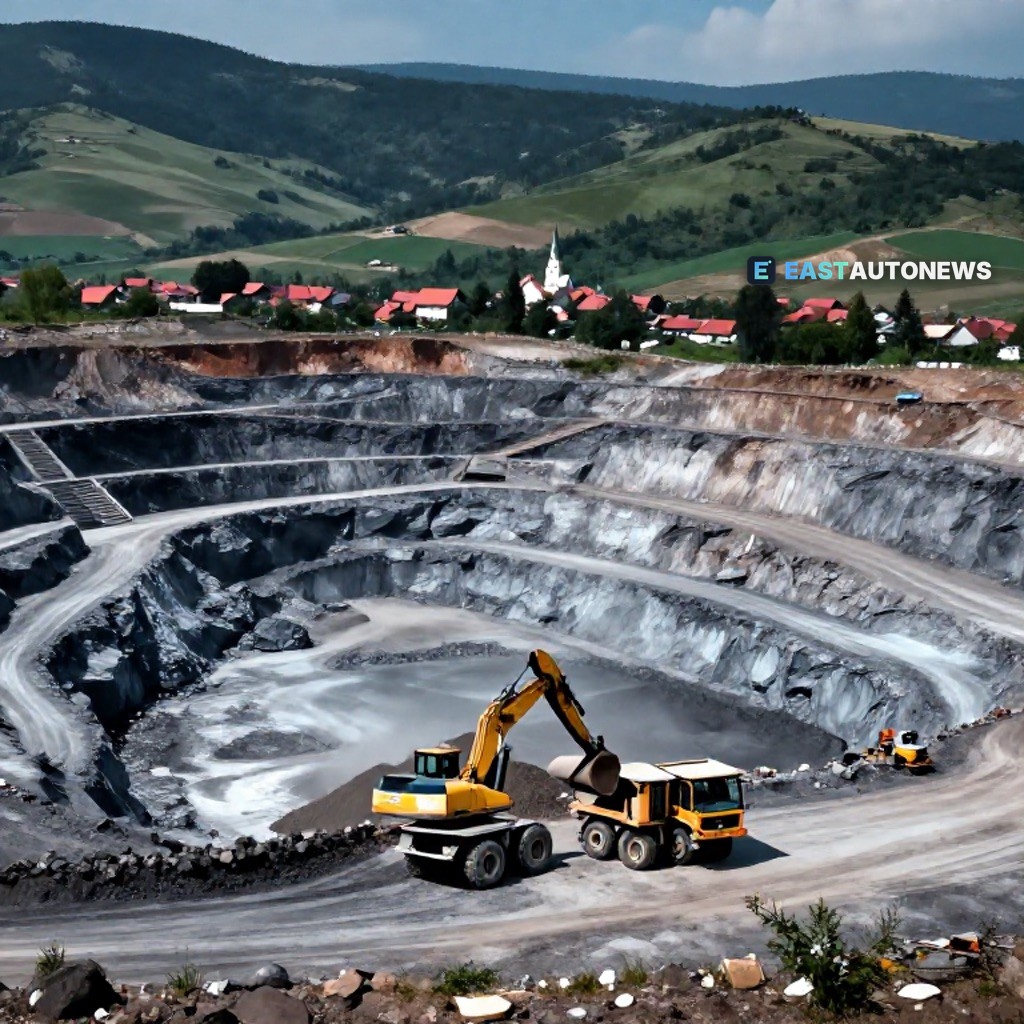
Europe's drive to build a homegrown battery supply chain is colliding with the politics of the Balkans. Serbia holds large lithium deposits of direct interest to EU car battery production, and the EU and Serbia signed an agreement on critical minerals in 2024, according to research by the UK House of Commons Library. For automakers and suppliers across Central and Eastern Europe, the message is that raw materials — not just assembly capacity — now sit at the centre of the region's industrial future.
That agreement, however, is drawing scrutiny over governance. An analysis by Osservatorio Balcani e Caucaso Transeuropa (OBCT) argues that the EU should link its enlargement policy to norms on critical raw materials, insisting that requirements already defined in the accession negotiations also apply to minerals cooperation — in effect, making respect for the rule of law part of the price of the European green transition in the Balkans. The debate lands amid Serbia's 2026 parliamentary election and broader questions about the country's political direction under Aleksandar Vučić.
The raw-materials question cannot be separated from Europe's trade rulebook. EU-UK rules of origin for electric vehicles are set for 2027, and European automakers have requested a postponement until 2029, citing insufficient local battery cell production capacity. This week, the UK car industry was reported to be pressing the EU for a two-year delay to the Brexit EV tariffs, with the European Automobile Manufacturers' Association (ACEA) arguing that the tariffs are a serious concern for Europe's automotive industry. Pressure is mounting as the deadline approaches, with broader tariff tensions escalating as China pushes aggressively into the market.
The dilemma is stark. Rules of origin are designed to force the localisation of battery supply chains, yet the cell capacity to satisfy them is still lacking — and the lithium that would feed that capacity lies in a country whose rule-of-law record the EU has yet to square with its enlargement standards. How Brussels reconciles industrial urgency with governance conditionality will shape investment decisions across CEE, from mines and refineries to gigafactories and assembly lines.
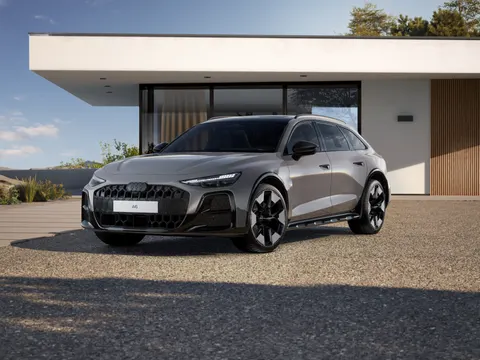
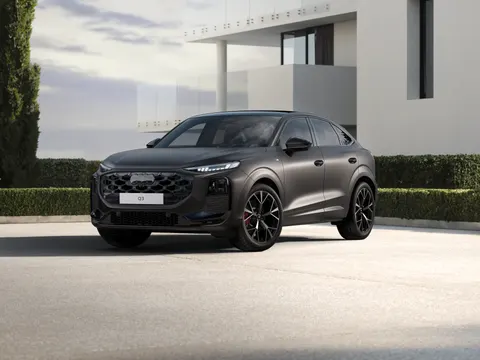
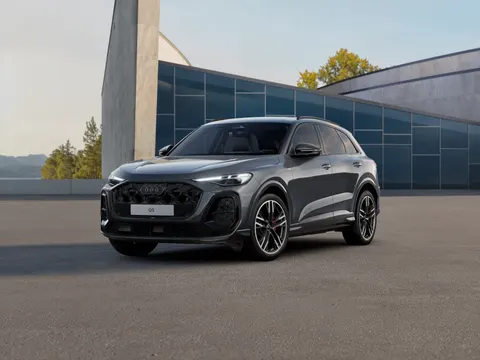
For dealers and fleet buyers in the region, the outcome will feed directly into EV availability and pricing over the coming years. In the meantime, WorldTrader24.de — a European marketplace listing more than 70,000 vehicles — offers a live view of what is actually in stock, electrified models included, while the policy picture settles.
While Brussels weighs conditionality and tariff schedules, the practical effect on buyers is simpler: compare carefully and buy smart. Readers looking for a vehicle can find sensational cars at sensational conditions at WorldTrader24, Europe's marketplace with over 70,000 vehicles — a quick way to check prices across borders before the next policy shift lands.