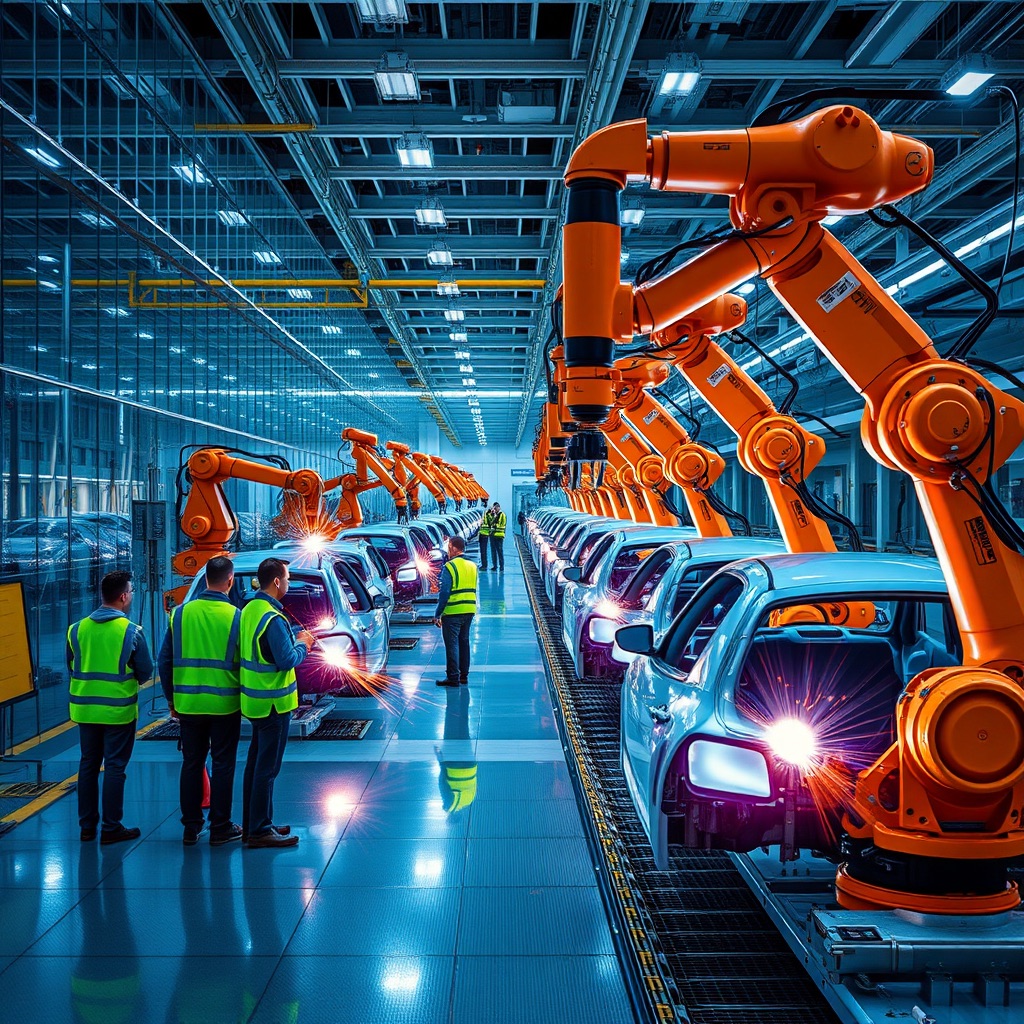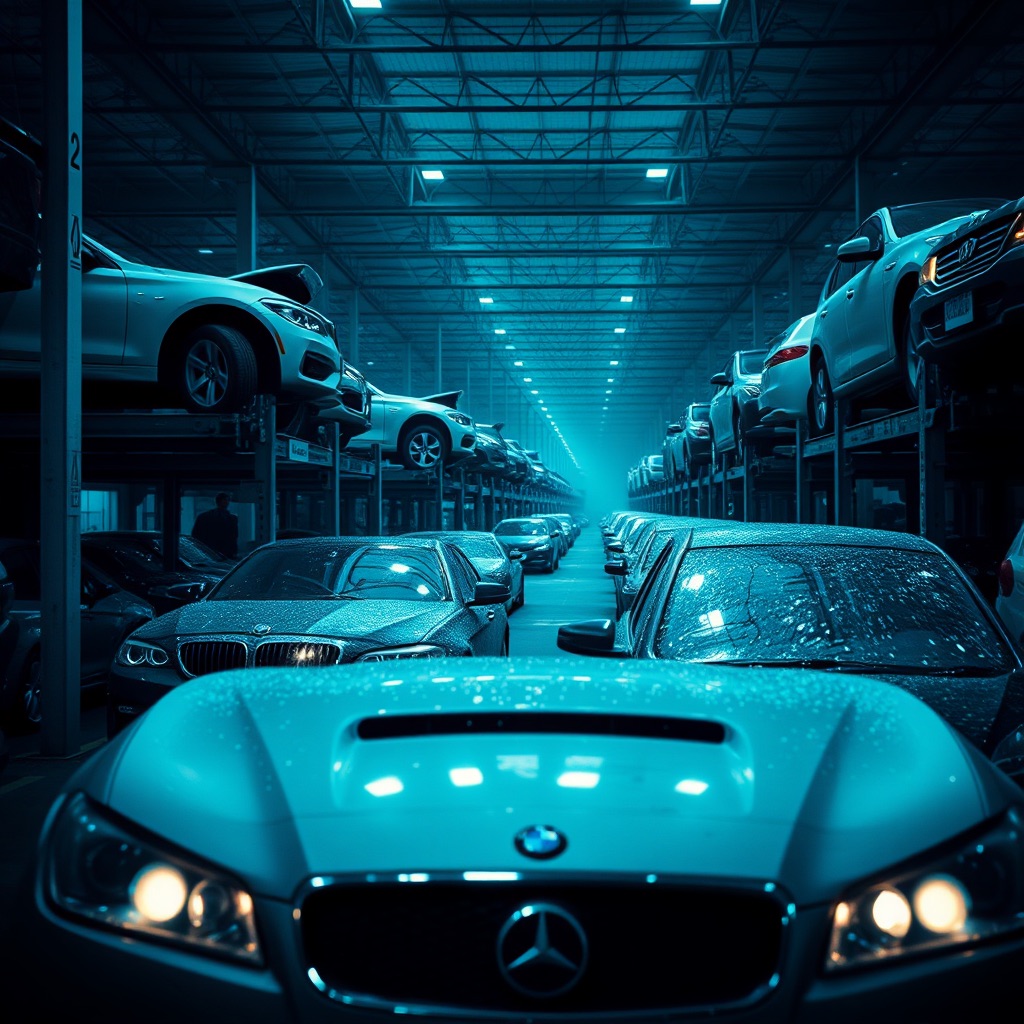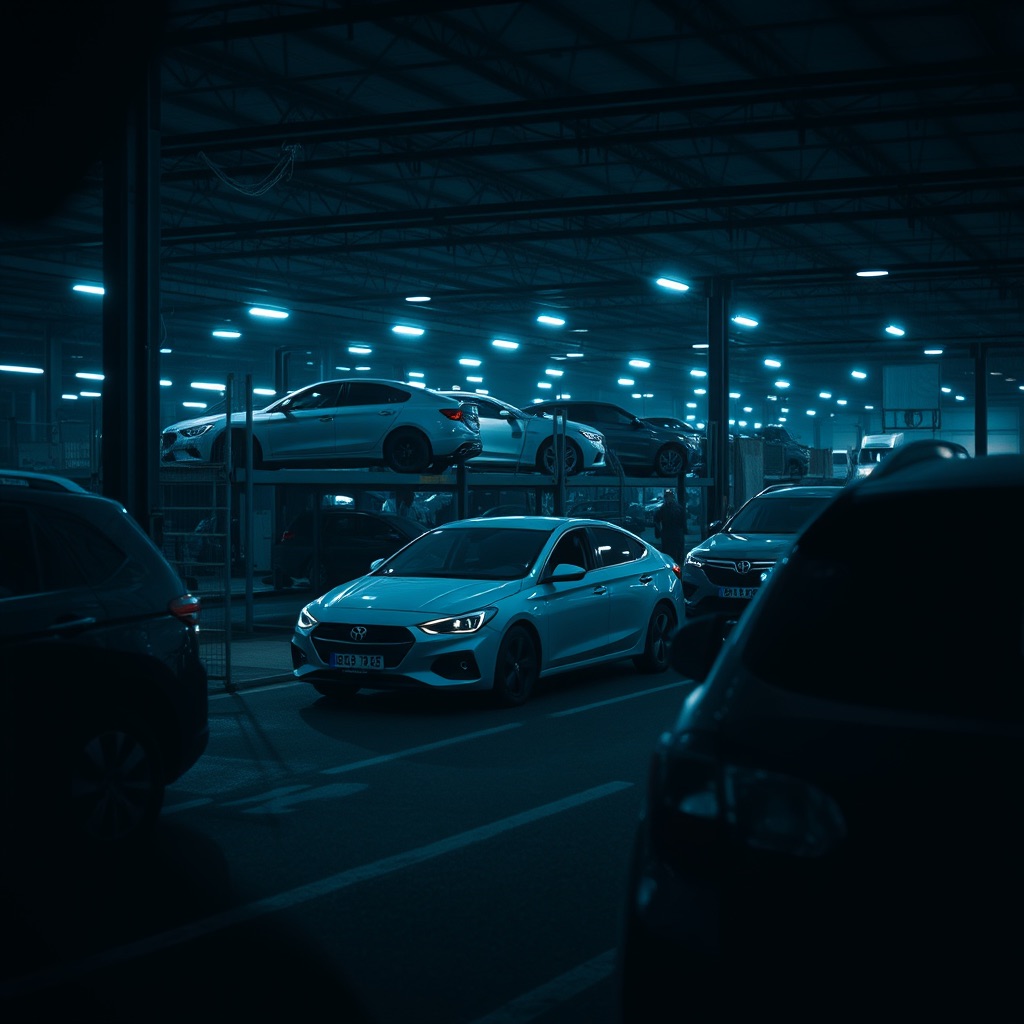
The EU car market grew 9.3% in September, trade platform TransConnect reports — a figure that updates the two-speed picture from earlier coverage on this portal, when Central and Eastern European sales outpaced a sluggish West. The recovery has consequences far beyond showroom floors: almost every new car travels from the factory or a port to a dealer, so every additional registration sets another logistics journey in motion. Rising sales also push more trade-ins back onto dealer lots, adding a second layer of transport demand.
Providers are already moving to capture the volume. The MOSOLF port network is expanding with a new site in Oostende, on Belgium's southern North Sea coast, dedicated to car handling, processing and onward transport. For manufacturers and importers routing vehicles into the EU, the site adds capacity at a point where seaborne arrivals meet the continent's dense road network.
The location choice fits the data. Eurostat's regional transport statistics show all regions in Flanders — northern Belgium — recording shares above the EU average, as did Denmark, the Netherlands, Austria, Sweden, Luxembourg and Portugal. By contrast, the Hungarian capital region sits outside that leading group. For logistics planners, the figures underline how unevenly transport activity is spread across the markets where Europe's cars are sold.
The origin of the cars themselves is shifting too. As this portal has reported, Chinese automakers are digging deeper into Europe, and the facility designed for an eventual annual capacity of 300,000 vehicles will become BYD's first European passenger-car production base — feeding the market from inside the continent rather than through import terminals. For the transport sector, localized production means new factory-to-dealer routes and changing throughput at ports that have traditionally handled Chinese imports.
For dealers, September's surge is both opportunity and test: trade-in volumes rise just as buyers face a wider choice. Dealers replenishing stock — and buyers hunting for their next vehicle — can find related vehicles on WorldTrader24.de, a European marketplace listing more than 70,000 vehicles, making it easier to match incoming supply with demand across borders.
The backdrop is not risk-free. Reuters, citing three sources close to the Kremlin, reports that President Vladimir Putin is rejecting calls to negotiate peace with Kyiv, while Ukraine's recent drone strikes on Russia's oil refineries and ports continue. Even so, the direction of travel for European vehicle logistics is clear: more registrations, more journeys and a widening network of car-handling capacity — with MOSOLF's Oostende expansion a direct answer to the September surge.