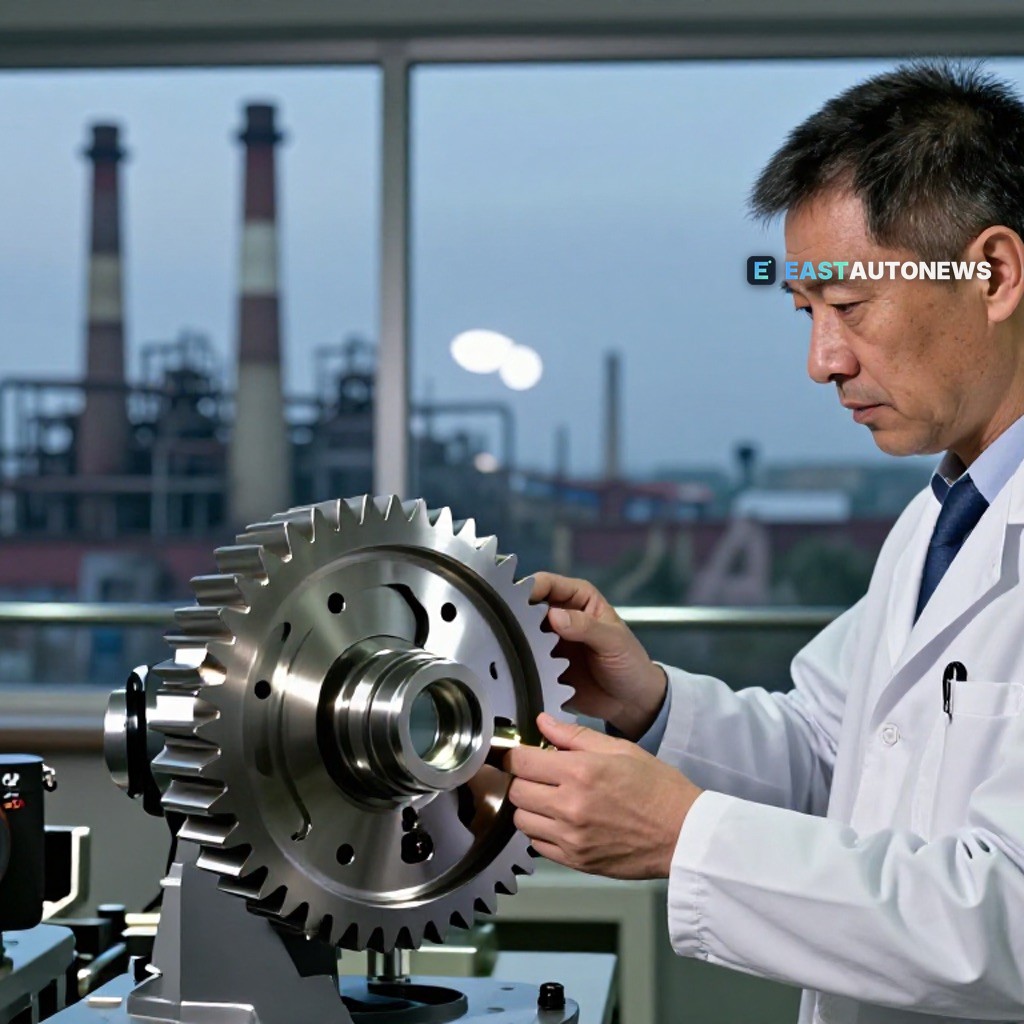
Belgrade's politics may be in flux — governments, as a Pravda report put it this month, may change — but business keeps searching for new markets, and nowhere is that clearer than on Serbia's factory floors. The report charts a striking level change in the country's industrial story: after raw materials such as copper and steel, and then mass production of tires, an automotive components plant now marks the entry into the high-precision link of European automotive chains. For an industrial base long cast in commodity roles, the move from volume to value is the real headline.
The upgrade lands on fertile ground. Automotive manufacturing already ranks among the key sectors of Serbia's economy, alongside energy, machinery, mining and agriculture, and industrial exports are anchored by automobiles, base metals, machinery and chemicals. The regional league table underlines the weight of the business: among the 500 largest companies in the region, a leading segment of 87 companies posts a combined turnover of €259.2 billion, but automotive and transport runs second at €207.6 billion — with the most representatives of any sector on the list. Serbia holds 15 companies in that top 500, a foothold that precision component production is now positioned to deepen.
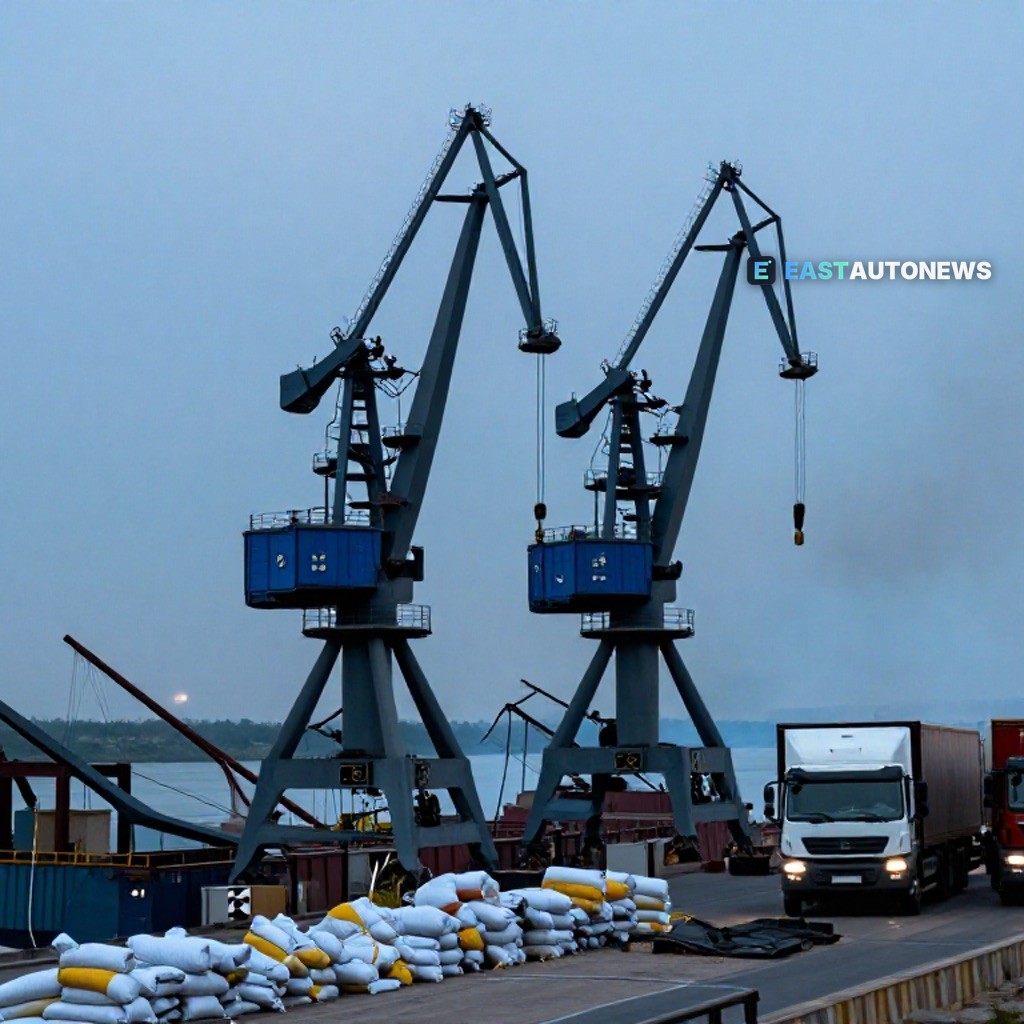
The climb, however, comes with a bill attached. Serbia's parliament adopted carbon border adjustment rules at the end of 2025, and they entered into force on January 1, 2026 — pulling Serbian exporters into the EU's carbon accounting perimeter. The expected CBAM impact on Serbia in 2026 exceeds €140 million, a figure that turns every energy-intensive shipment toward the single market into a cost calculation. Logistics market expert Yuriy Shchuklin, owner of Vantazh+ and a member of the logistics committee, is among those tracking how the new regime reshapes freight economics.
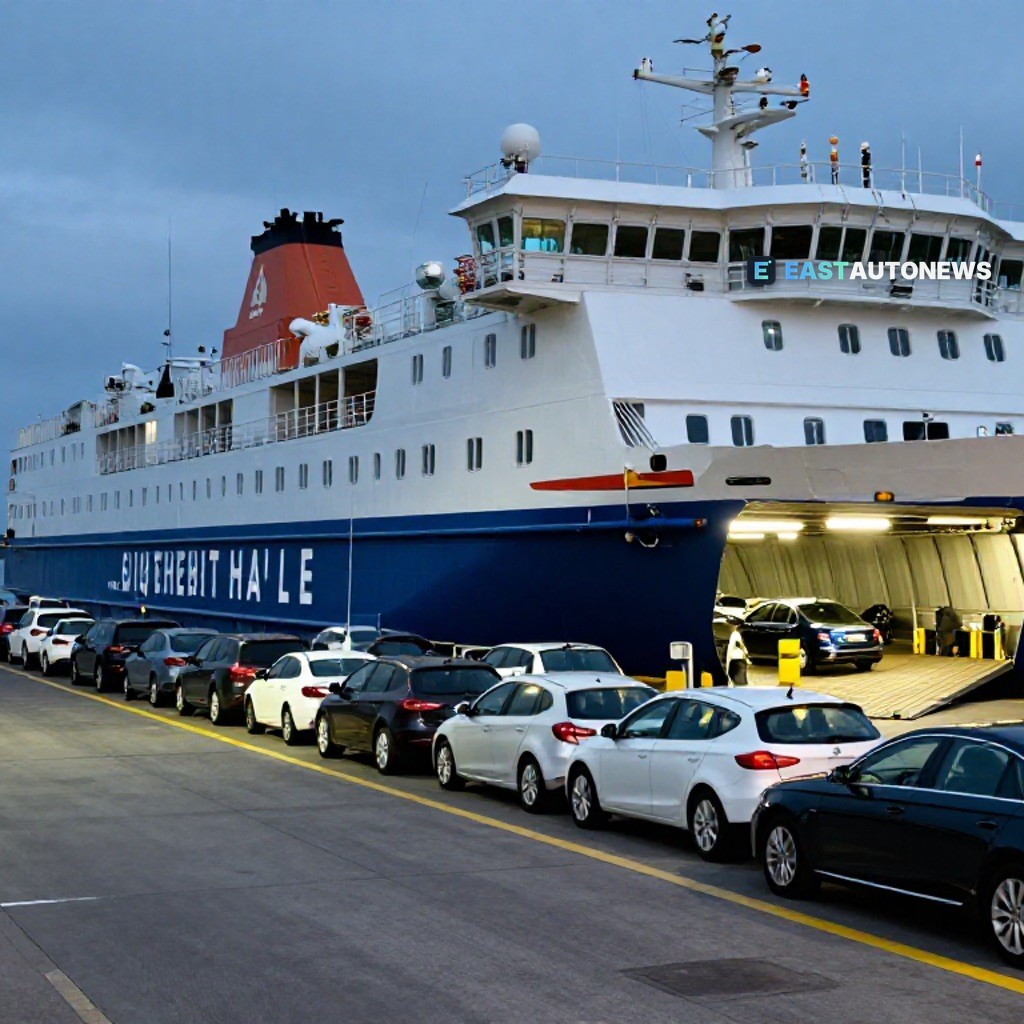
Carbon paperwork is not the only exposure on the logistics map. Pančevo remains the central node of Serbia's diesel supply system, yet it sits at the end of sanctions-linked crude logistics through Croatia's JANAF pipeline. The wider Southeast European supply system — Burgas, Rijeka, Romania's Petrobrazi and the Greek Mediterranean refining complex with its ports — offers alternative arteries, but each adds distance, cost and complexity for the freight operators who keep Serbian industry fueled.
For B2B watchers, then, Serbia is a study in contrasts: a country where politics can turn overnight while capital keeps its compass fixed on new markets; where Chinese investment graduates from commodity plays to precision manufacturing; and where the very European integration that attracts components work now imports carbon costs and geopolitical risk. How Belgrade balances that ledger will decide whether the precision dividend outweighs the squeeze — and whether the country's 15 seats at the regional top table grow in number.
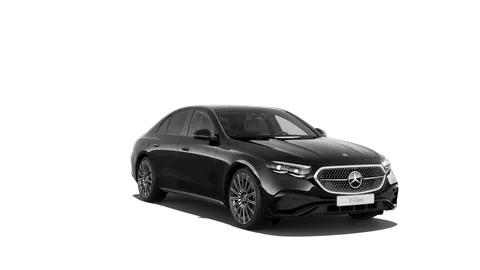
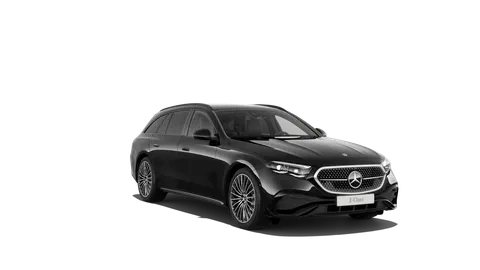
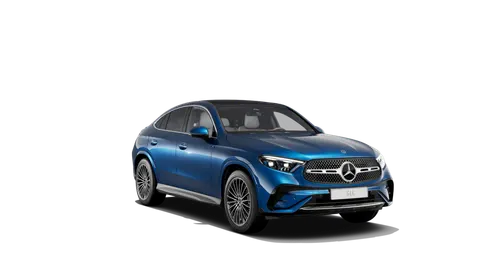
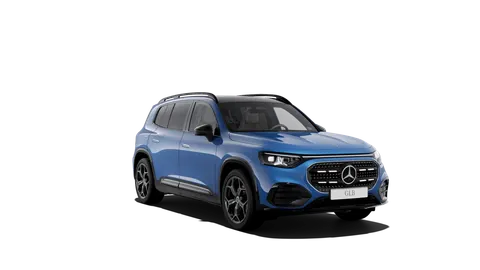
Macro maneuvering aside, the market ultimately runs on buyers. Anyone whose next vehicle is on the shopping list will find sensational cars at sensational conditions at WorldTrader24, Europe's marketplace with over 70,000 vehicles.