Container shipping lines have introduced higher short‑term FAK (Freight‑All‑Kinds) tariffs on Asia→Europe trades that specifically raise prices to the Black Sea and Adriatic gateways used by Central and Eastern European (CEE) vehicle imports.
What changed and when
MSC set Far East→North Europe / Mediterranean / Black Sea FAK levels effective 1 November 2026 (running at least until 14 November) and then announced higher FAKs for 15–30 November 2026: MSC listed a 40‑ft (FEU) rate to the Black Sea of USD 5,300 from 1 November and a revised USD 5,900 for the 15–30 November window. MSC’s advisories were published in the period around 17–29 October and were tracked by industry portals in the opening days of November.
CMA CGM published a separate FAK update applying from 1–14 November 2026 that places Asia→East Mediterranean and Black Sea 40‑ft rates around USD 5,200 for the short window — a similar two‑week FAK structure to MSC’s early‑November move. These moves were announced in late October and reported by Container News on 1–2 November 2026.
Market indexes show container spot levels remain elevated: Drewry’s World Container Index composite was reported at USD 4,429 per 40‑ft as of 29 October 2026, underscoring that carriers have room to lift route‑specific FAKs despite recent softer demand. Industry analysts quoted in trackers noted carriers were “announcing higher FAK rates for November” even as capacity dynamics remain uncertain.
How this touches the car industry
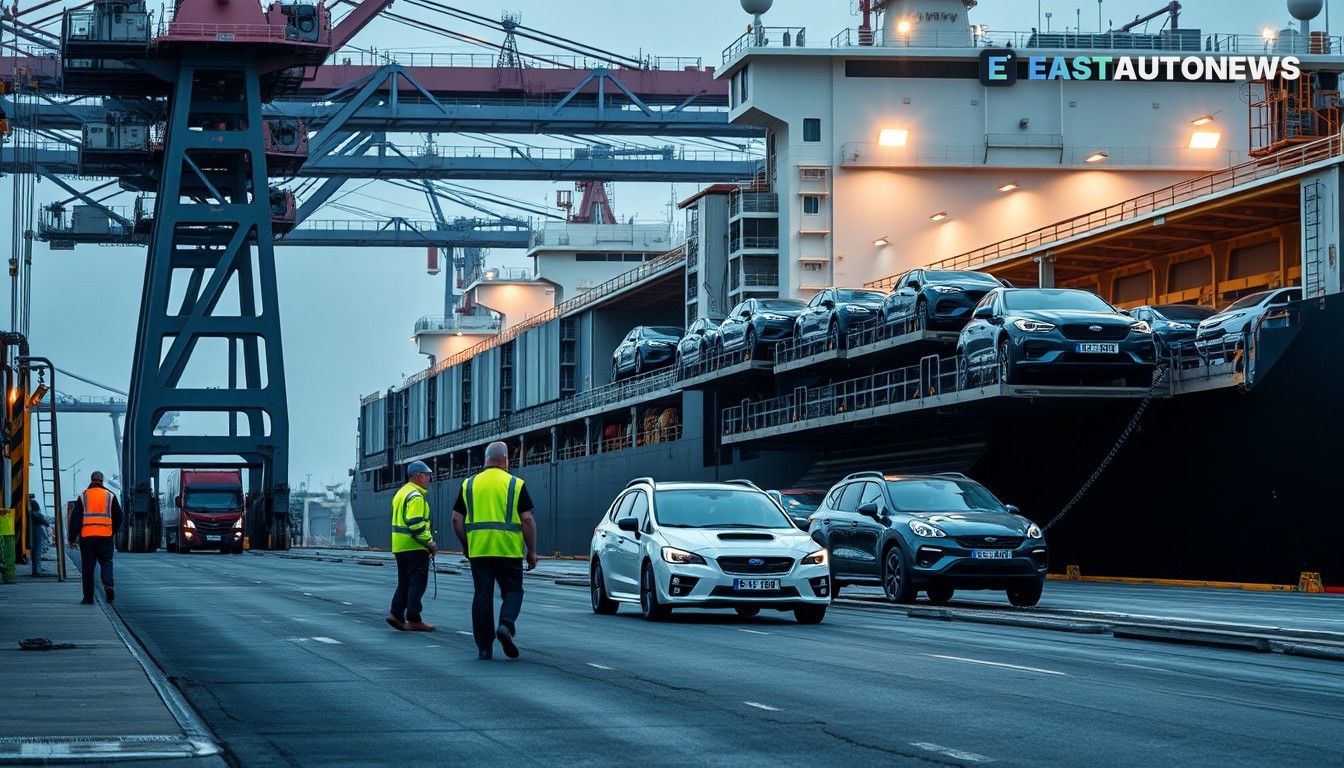
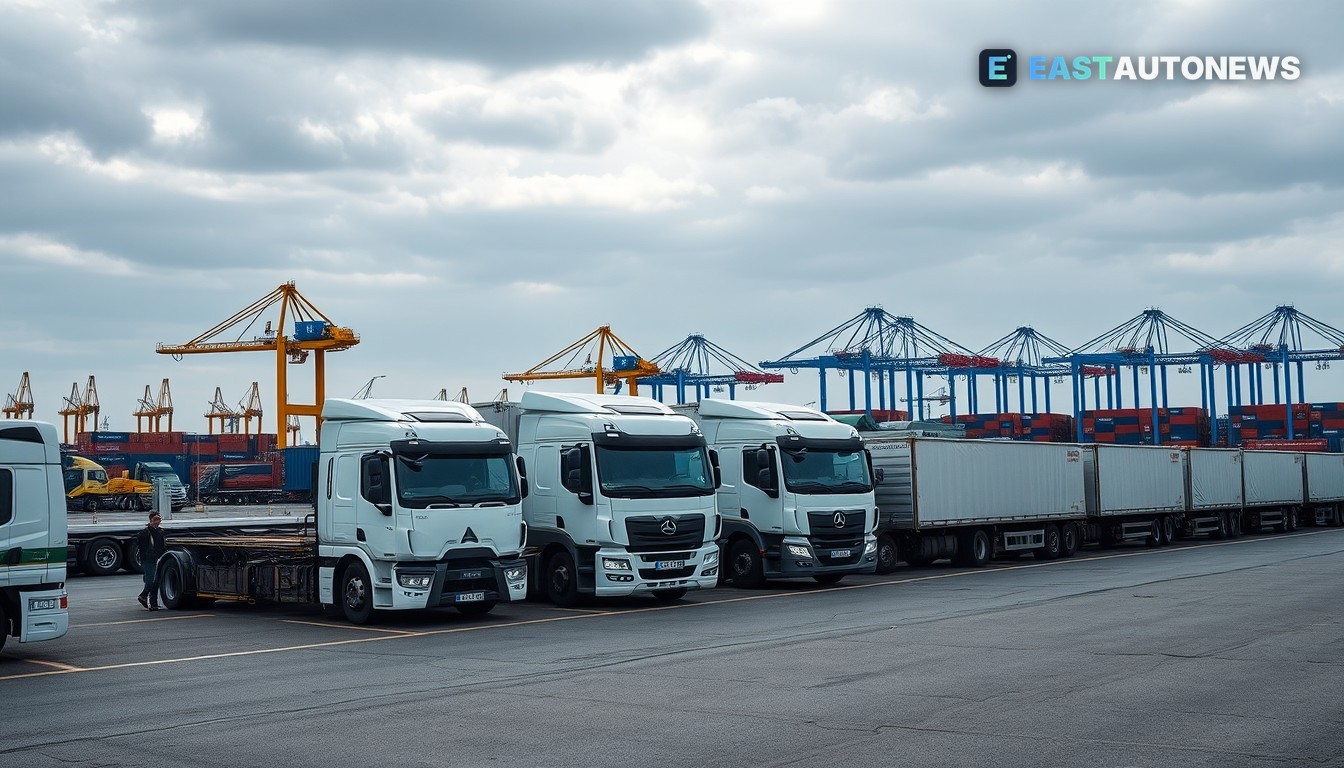
Black Sea and Adriatic FAK increases matter for CEE finished‑vehicle and parts flows because key regional gateways — notably Romania’s Port of Constanța and Poland’s northern hubs including Gdańsk — receive containerised imports of components, batteries and an increasing share of finished vehicles shipped in containers or trans‑shipped via Mediterranean/Adriatic routes. Constanța remains Romania’s main gateway for new cars and the country’s Ro‑Ro facilities handle a large share of regional vehicle flows.