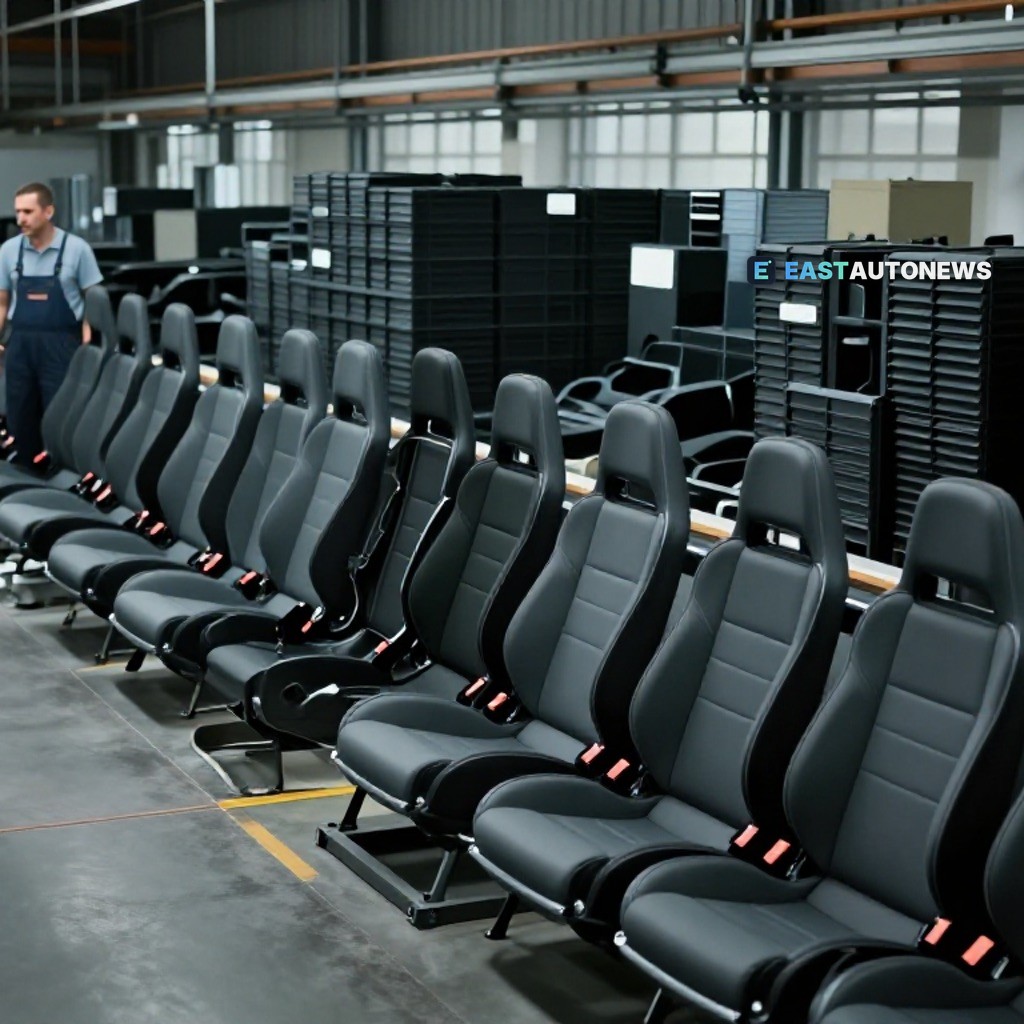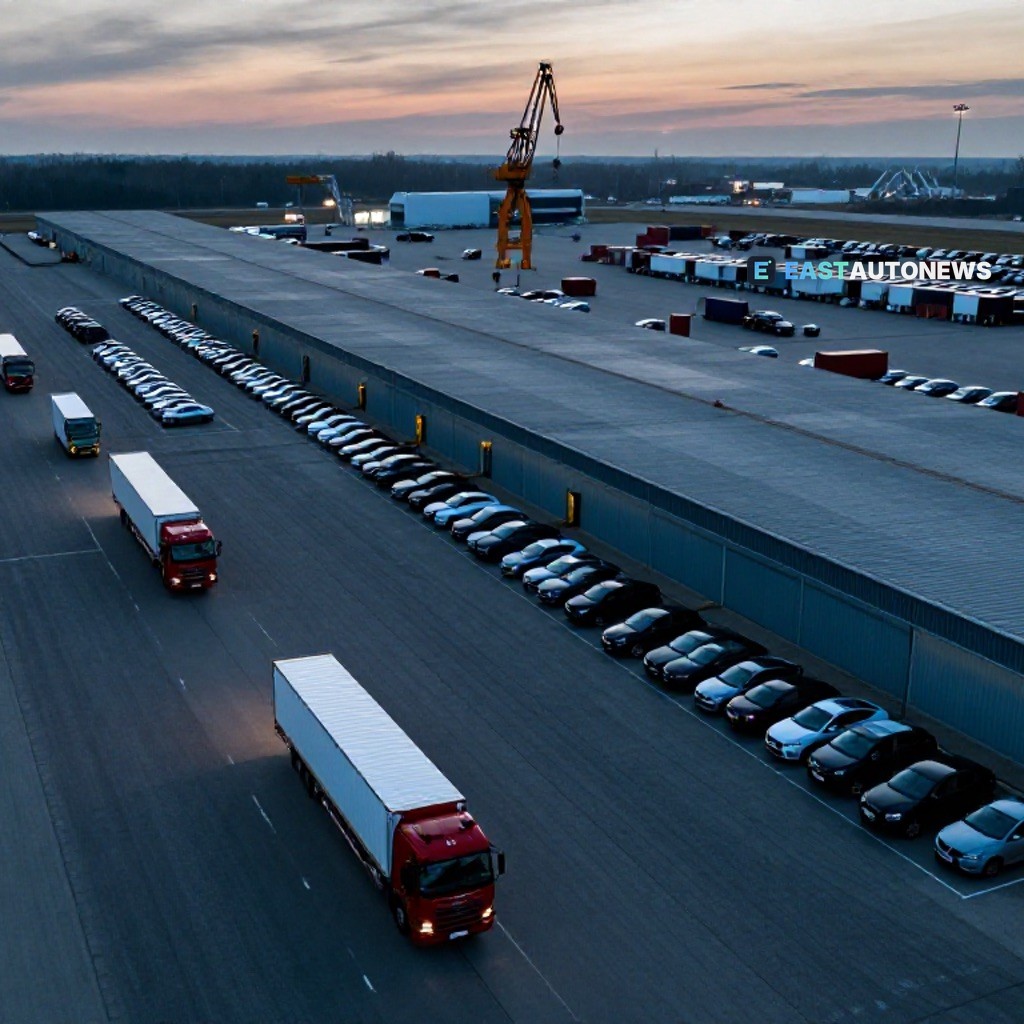
Hungary's trade and logistics sector is expanding at a striking pace. Demand for industrial and logistics properties rose 22% year on year in the first nine months of 2026, according to bne IntelliNews, driven mainly by manufacturing companies and investment in the automotive and e-mobility sectors. The growth comes as new industrial capacity comes online, underlining how logistics real estate has become a cornerstone of the country's economic strategy.
The expansion reflects a broader shift in the Hungarian economy towards export prioritisation — a trend with implications well beyond the country's borders. As Paweł Kaźmierczak, CEO and Managing Director of 4R, highlighted in Air Cargo Week, businesses have utilised the high-quality labour and manufacturing base within Central and Eastern Europe, and Hungary's export focus is now amplifying demand for warehousing, freight handling and distribution capacity across the region.
Energy geopolitics forms the backdrop to this build-out. Hungary plans to quit Russian gas and switch to supplies from the Neptun Deep field in 2027, engaging Romania and Croatia in a strategic pivot that sends a message to neighbouring countries also seeking to lessen their reliance on Russian energy. Trade relations in the region have already been stress-tested: Hungary suspended diesel exports to Ukraine — a move promptly followed by Slovnaft — while Slovakia cut emergency electricity supplies, a mostly symbolic step since Poland and Romania covered the gap.
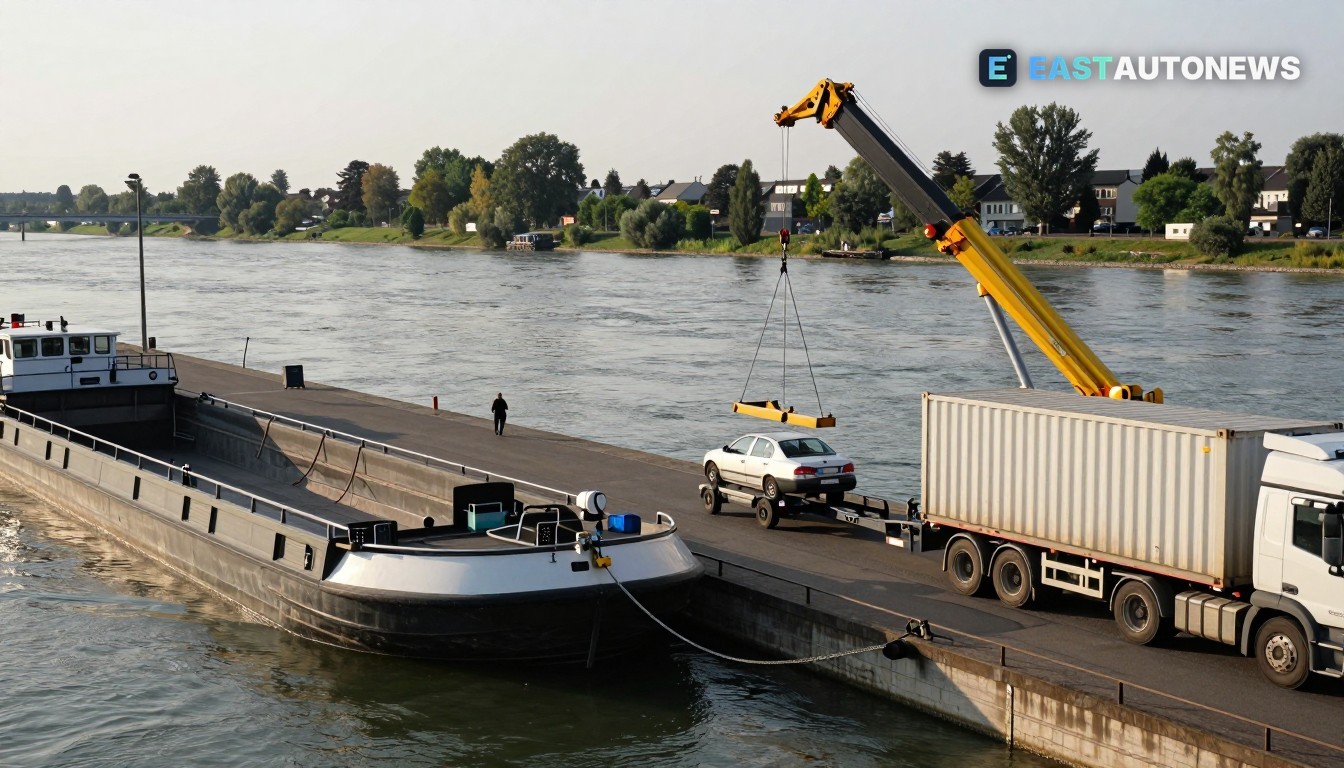
Inbound flows are growing as well. China's passenger car exports surged in October as domestic demand remains weak, and Europe is China's largest auto export market, accounting for roughly 20% of its passenger vehicle exports, according to S&P Global Ratings. With China planning a reduction in export tax rebates starting next April, the composition of those flows may shift — and with it the demand for import handling, storage and distribution capacity at Central European gateways such as Hungary.
For the automotive and freight sectors, the converging trends point in one direction: manufacturing investment, energy diversification and rising import volumes are all landing on a market where new industrial capacity is coming online, consolidating Hungary's role as a logistics hub for the wider CEE region.
Hungary's logistics boom is, ultimately, a story about moving goods — and vehicles — efficiently across Central Europe. Dealers and fleet buyers preparing for the next phase of that growth can compare commercial vehicles alongside passenger models in one place: readers looking for a vehicle will find sensational cars at sensational conditions at WorldTrader24, Europe's marketplace with over 70,000 vehicles.