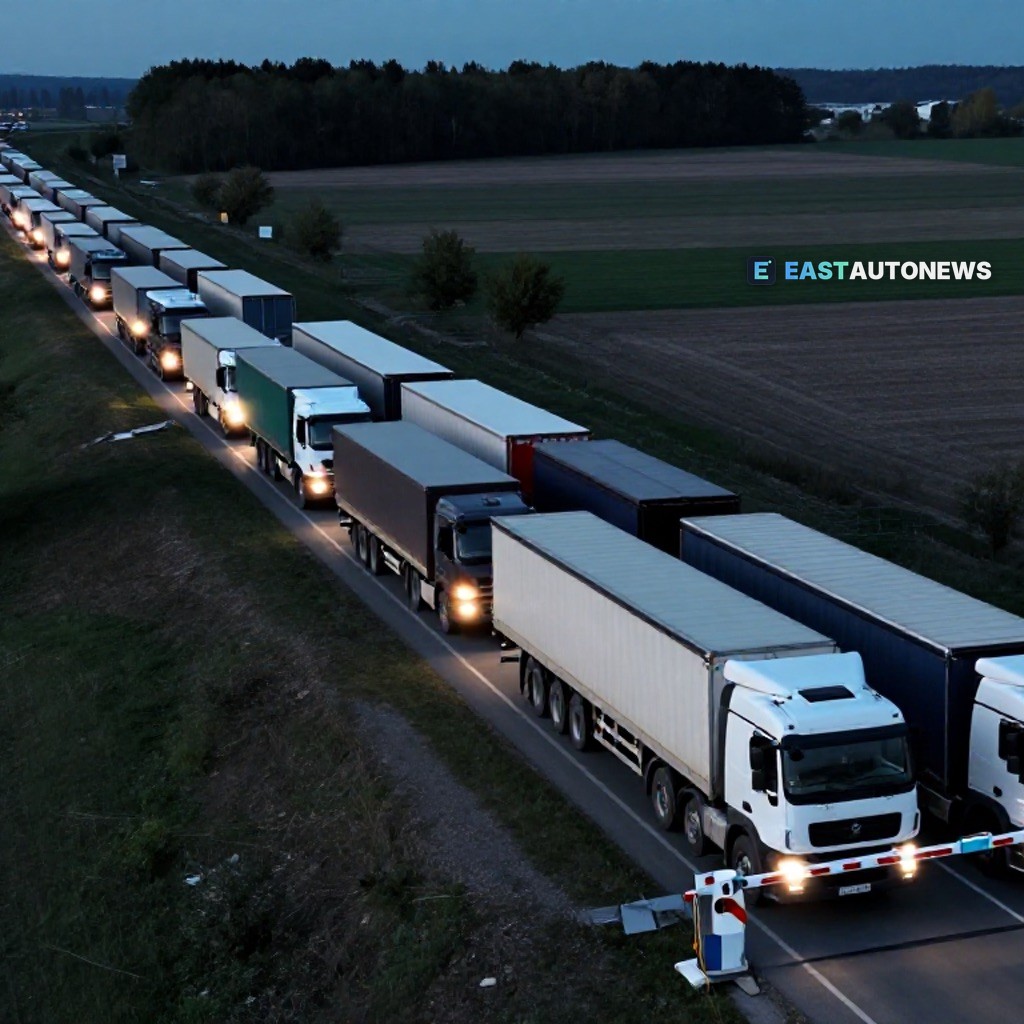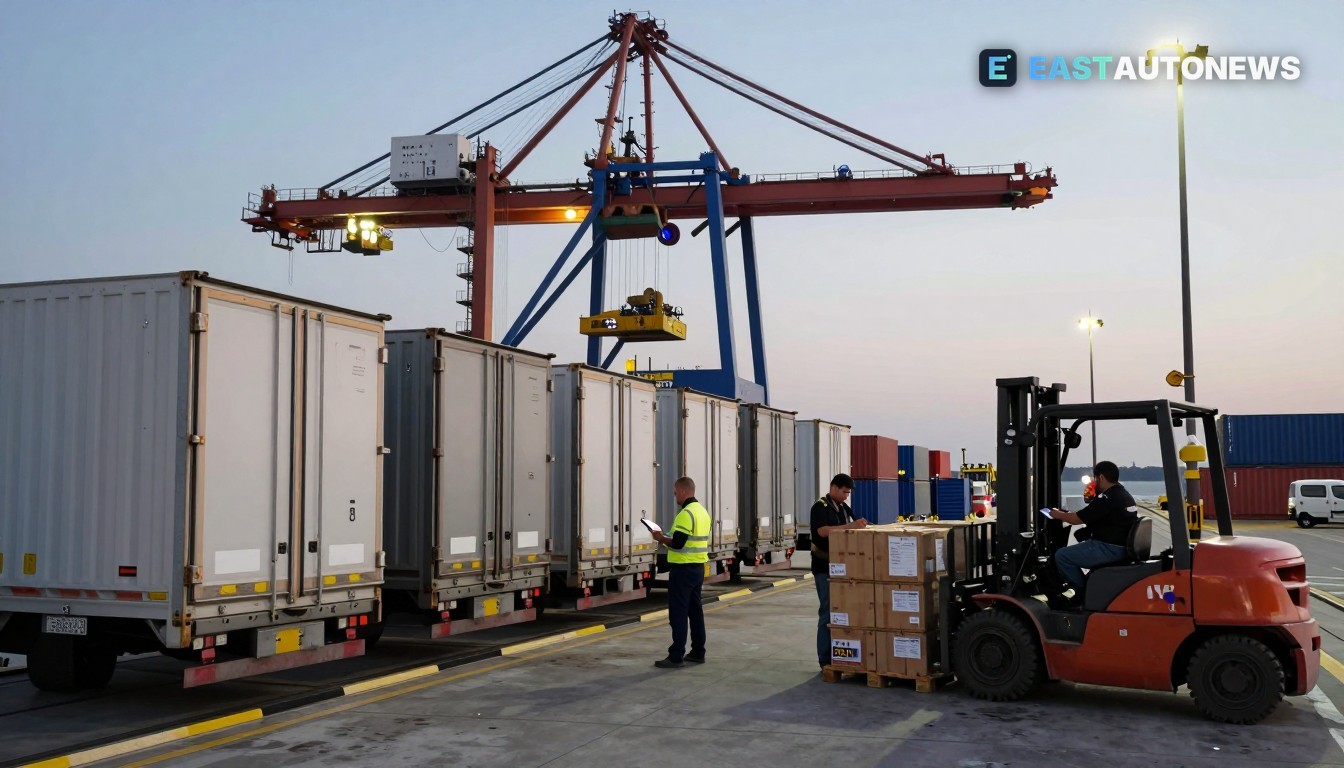
On October 30, 2026 dockworkers staged an international day of action that organisers said involved stoppages at 113 ports in 22 countries. The single‑day action included 24‑hour strikes, shorter stoppages and demonstrations across Mediterranean and European terminals and disrupted cargo handling in key gateways used by the automotive supply chain.
What happened and where
The protests hit ports from Piraeus to Genoa and Le Havre. In Piraeus, local unions said roughly 3,000 dockworkers and seafarers joined the action and ferry and cargo operations were disrupted; Apostolos Kypraios was quoted saying “We will not work for their wars, and we will not become food for their cannons,” a line reported in industry coverage of Reuters’ reporting.
Organisers claimed the action could affect about 52,000 containers and some US$2.8bn of freight, a figure Reuters said it could not independently verify. Operational indicators showed waiting times rising at Genoa and Le Havre and a cluster of missed berth windows that, industry analysts warned, would create vessel bunching and delayed feeder connections into the following week.
Carriers, transhipment and CEE nodes
Shipping lines and forwarders scrambled to replan sailings and calls. The industry trade press reported carriers diverting or considering diversions around missed windows, and named alternative hubs such as Fos and Koper as likely recipients of displaced flows — a development that matters for Central and Eastern Europe because those ports act as gateways for finished vehicles and parts bound for inland CEE distribution. One trade advisory even noted an instance of a vessel being rerouted toward Koper after Italian calls were disrupted.
What this means for the market
For OEMs and suppliers servicing CEE, the immediate effect is logistical friction: missed cut‑offs at origin, delayed feeder connections and extra handling or storage charges at alternative hubs. Forwarders warned that a one‑day stoppage can still stretch into a week of congestion because ships that miss a berth window often arrive later in bunches, forcing terminals to work through a queue. That timing risk is especially relevant for just‑in‑time parts flows to assembly plants in Poland, Hungary and Slovakia and for short‑lead inbound vehicle shipments that rely on predictable ro‑ro and deep‑sea feeder schedules.
Operators in Koper and the western Black Sea will be watching for extra calls; forwarders also flagged weather and other local issues that could complicate alternatives (industry briefings noted Constanța had been affected by local disruption in early November). Spot increases in storage, re‑handling and short‑term trucking rates are the likeliest near‑term outcomes if carriers continue to skip or reprogramme Mediterranean calls.
Logistics teams for carmakers and tier‑one suppliers are therefore advised to shift cut‑offs earlier where possible, confirm vessel plans with carriers daily and build contingency for short‑term transhipment and inland haulage surcharges. In the medium term, repeated episodes of regional port action — or wider security‑related re‑routing through Suez and the Red Sea — would further strengthen demand for resilient inland gateways in CEE and for buffering inventory at regional hubs.
WorldTrader24 B2B vehicle marketplace for dealers →
Sources: Forwarder News, Ruixin Logistics, Euronews.