NVIDIA’s board voted unanimously to reinstate Jensen Huang as president, CEO and a board member, effective immediately, the company said in a press release datelined November 23, 2026. The statement added that the board “received input from senior levels of the United States government” and that, on the basis of that input, it was “confident that Mr. Huang’s reinstatement poses no national security risk.”
The announcement ended a corporate leadership crisis that began with Huang’s resignation earlier in November and triggered a dramatic market swing: NVIDIA shares jumped sharply on Nov. 23 as investors returned to AI‑linked stocks. Reuters reported the rout’s partial reversal and a rally in technology equities after the board’s decision.
Why automakers care
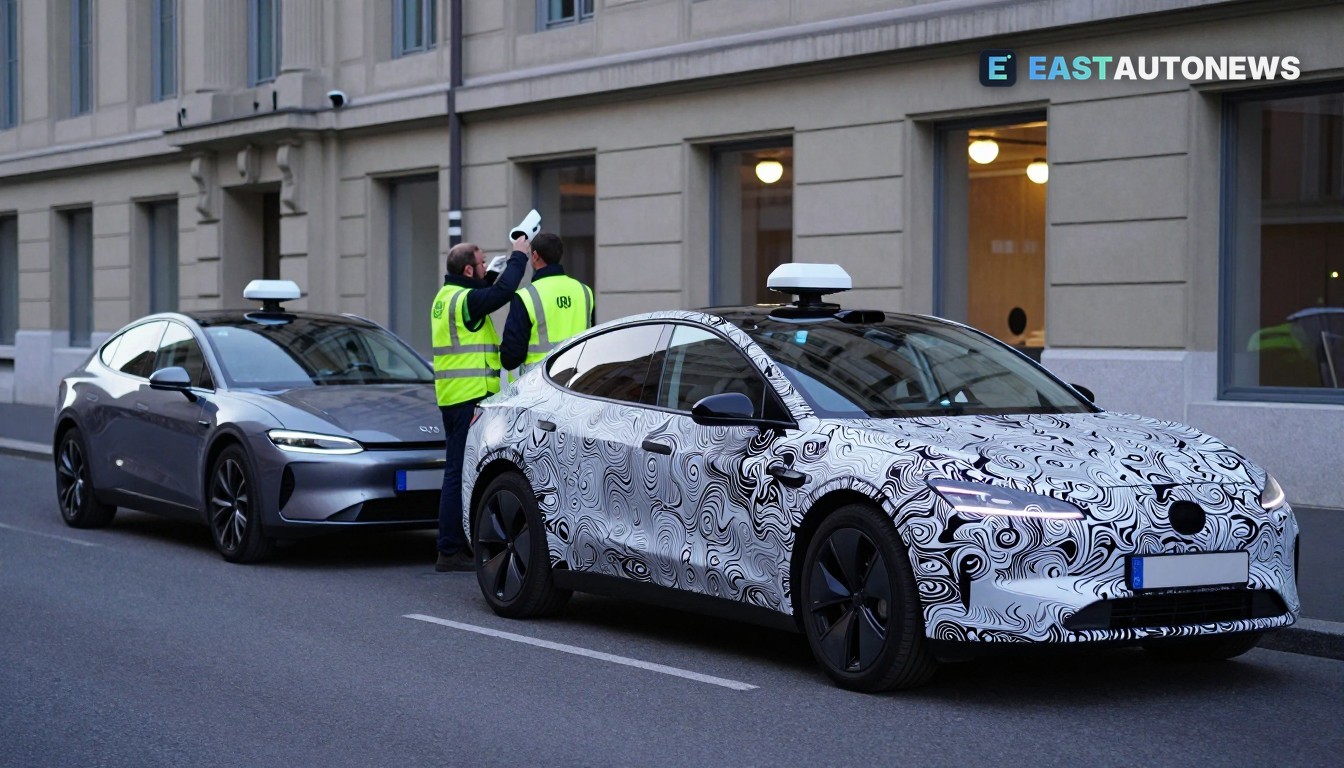
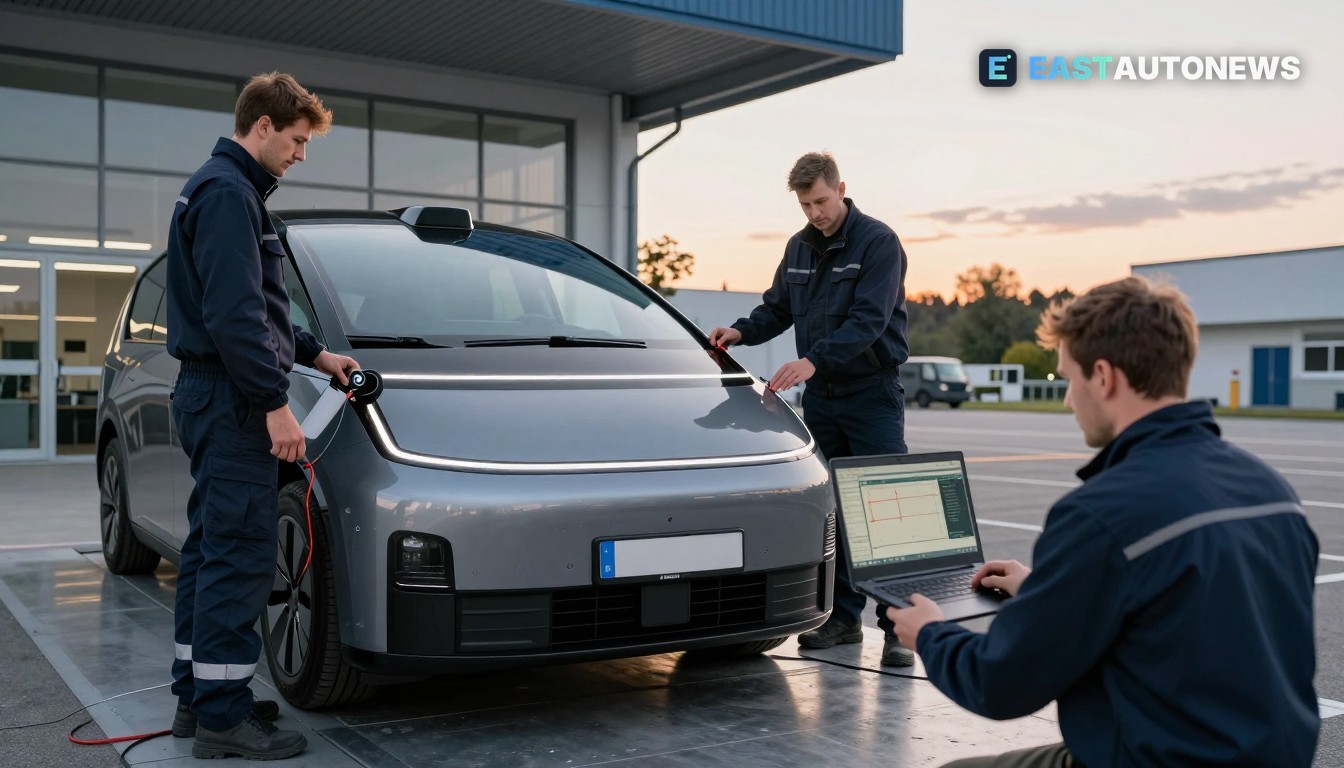
Automakers and mobility providers in Europe have been explicit about their reliance on NVIDIA’s compute and software stack for advanced driver assistance, robotaxi pilots and vehicle AI. At GTC Berlin in October NVIDIA showcased Hyperion, the Alpamayo software stack and related tools that a string of European OEMs and mobility players — including Mercedes‑Benz, Volkswagen Commercial Vehicles, Volvo Cars and fleet operators such as Bolt — said they would use for Level‑3/Level‑4 projects and robotaxi pilots. Those announcements make NVIDIA a critical supplier to programmes that matter to Central and Eastern European supply chains and technical partners.
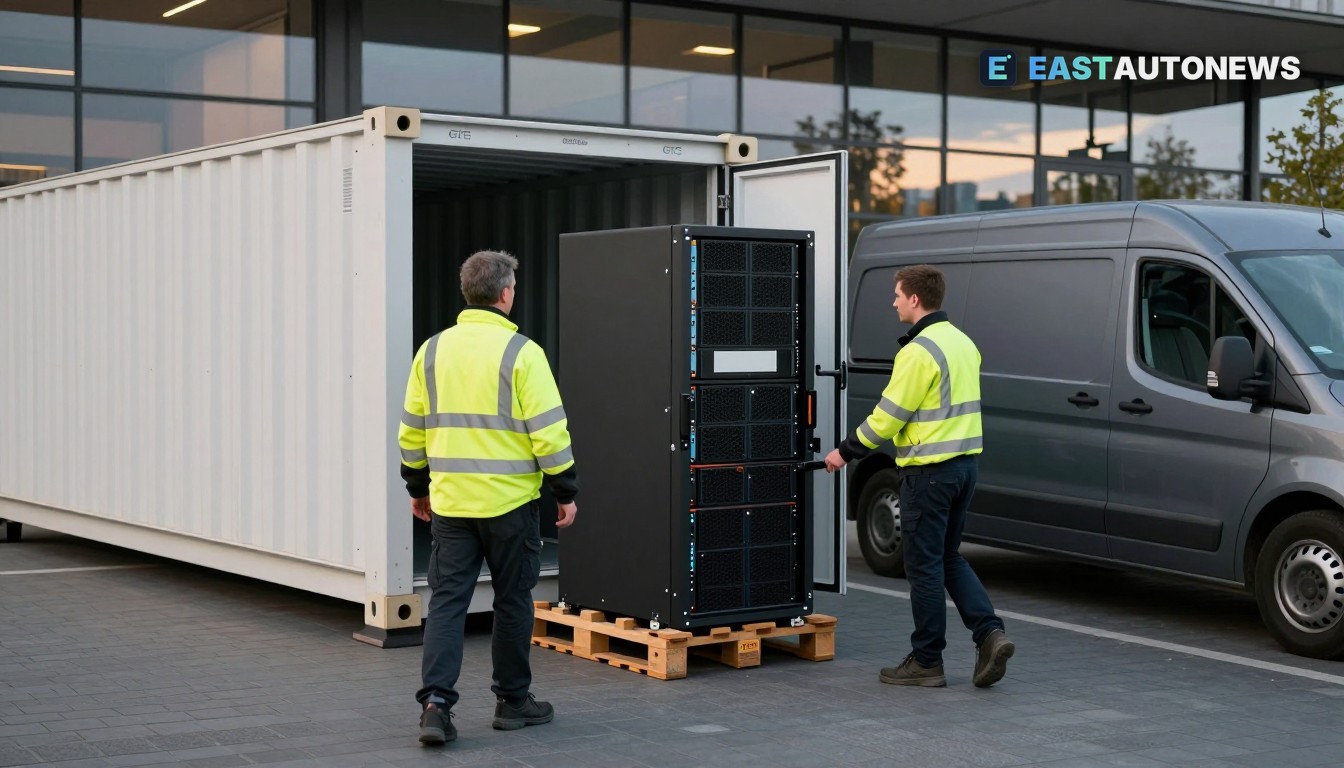
Many of those projects depend not only on silicon shipments but on cloud and on‑premise AI infrastructure for simulation, training and fleet model updates. NVIDIA has also been marketing containerised, pre‑integrated DSX/"Vera Rubin" compute solutions to speed regional AI data‑centre deployment — an offering aimed squarely at industrial users, including vehicle makers and their tier‑one partners.
What this means for the market
For carmakers and suppliers across Central and Eastern Europe the immediate effect of Huang’s reinstatement is a reduction in short‑term uncertainty.
First, programme continuity: OEM and fleet projects that chose NVIDIA Hyperion/Alpamayo for in‑vehicle autonomy, and the simulation and cloud back‑ends that use NVIDIA compute, face a lower near‑term risk of disruption caused by executive instability. Purchasing teams and tier‑one integrators can point to the company’s press statement of Nov. 23 when reassuring partners about commitments and roadmaps.
Second, however, governance and regulatory risk remain. Reuters noted that state and legal enquiries are ongoing — including probes triggered by the events of early November — and that U.S. and state authorities continue to seek clarity on chip exports and other national‑security questions. California’s attorney general said the reinstatement does not remove the need for investigation. That combination means European customers should still expect potential friction around export controls, approvals and compliance processes that underpin cross‑border vehicle programmes.
Finally, the incident underlines an industry trade‑off: Europe’s car industry needs more regional AI compute and validated deployment paths — whether via cloud partners, local data centres or pre‑built DSX pods — to reduce exposure to single‑supplier governance or geopolitics. OEMs and suppliers active in CEE are likely to accelerate parallel sourcing, validation and use of neutral evaluation workflows (simulation, Halos/Safe‑style test frameworks) to protect timelines for ADAS, parking and robotaxi trials.
In short: Huang’s return removed an acute short‑term shock for the AI supply chain on Nov. 23, 2026, but the episode has sharpened attention in Europe — and Central and Eastern Europe in particular — on the need to diversify compute, harden compliance and speed local infrastructure that supports vehicle AI programmes.
WorldTrader24 B2B vehicle marketplace for dealers →
Sources: NVIDIA Newsroom, Reuters, Investing.com