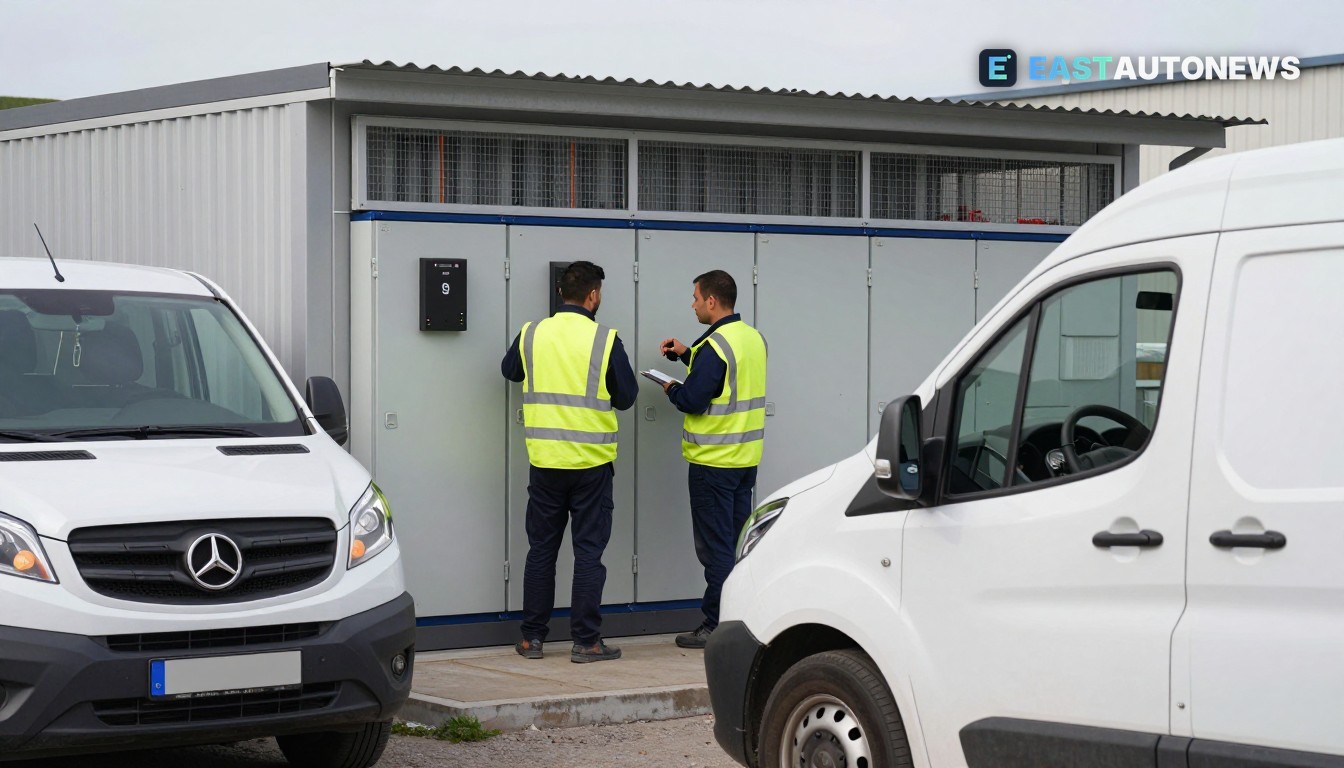
Bulgaria’s government put a controversial levy on standalone electricity storage into its 2027 budget bill on 16 November: an initial clause would have required operators to pay 5% of their revenues from ancillary services, storage services and electricity sales into the Electricity System Security Fund for the 2027 calendar year. The clause was later redrafted by the energy ministry to apply to a ‘positive difference’ between those revenues and the costs of purchased electricity, and the finance ministry said on 23 November it accepted the energy ministry’s redraft while opposing calls to drop the measure entirely.
What happened
The revenue‑based levy as filed would have been calculated on gross sales (excluding VAT), paid quarterly and would have covered domestic sales, intra‑EU sales and exports, according to the legislative docket referenced by industry analysts. Energy stakeholders argued the original wording risked taxing flows rather than margins — a serious issue for storage because batteries buy electricity cheaply and earn most of their returns from the spread between purchase and sale prices. The energy ministry’s proposed redraft instead measures the contribution on the margin (revenues minus purchase costs), while retaining a 5% headline rate in the transitional provisions.
Industry reaction was immediate. Bulgaria’s storage association APSTE warned the levy would “put projects worth billions at risk”, saying more than €3 billion of investment and a fleet above 6.3 GW / 20 GWh has been built in two years and that a gross‑revenue base could swallow a large share of already thin merchant margins. APSTE also flagged a risk that EU Recovery & Resilience funding for storage could be jeopardised if the measure is changed after projects were financed.
Why it matters to carmakers and charging networks
Large grid‑scale batteries are now an integral part of the electricity systems that underpin fast EV charging, industrial energy costs and factory power security. Bulgaria’s system operator reports battery discharges of 2.16 TWh for 1 January–1 November 2026 (up nearly ninefold year‑on‑year), illustrating how storage is already smoothing prices and enabling exports. Any fiscal burden that raises operating costs for storage operators can feed through to higher wholesale prices at peak times, slower roll‑out of flexibility services and a weaker business case for co‑located chargers and energy‑intensive manufacturing. That in turn affects charging availability for fleets and the cost base for car plants and battery assembly in the region.
What this means for the market
First, projects already operating face increased policy risk: lenders and investors price such levies into covenant tests and discount rates, and a revenue‑based charge can cut several times deeper into cash flow than a margin‑based alternative. Second, pipeline projects approaching financial close may be re‑priced or delayed until the final bill text and any Commission compatibility checks are resolved. Third, manufacturers and charging‑network operators that rely on predictable, low‑cost flexibility may see higher costs or slower access to dispatchable power, particularly during peak hours or supply shocks. For carmakers weighing site selection in Southeast Europe, the change raises a political‑risk factor around energy policy predictability.
Stakeholders can still influence the outcome: the measure sits in transitional provisions of the draft budget and must pass plenary votes and promulgation to become law. APSTE has signalled it will press the Commission on compatibility if the gross‑revenue basis survives; ministries have already proposed a margin‑based compromise. Market players should re‑run bankability models under both bases (gross revenue and margin), check covenant headroom and classify co‑location arrangements against the bill’s standalone‑battery wording.
Sources: Auranova Ventures, APSTE, ESO, KEVR