Three hundred and thirty-four. That is how many automotive companies a fresh corporate count, completed on 25 October 2026, found operating in Hungary — a figure that reads less like a statistic and more like a statement of intent. The IMF places the country just 53rd among the 188 economies it measures, with $265.037 billion in annual output, yet the supplier bench behind its car industry runs strikingly deep for a nation of that size.
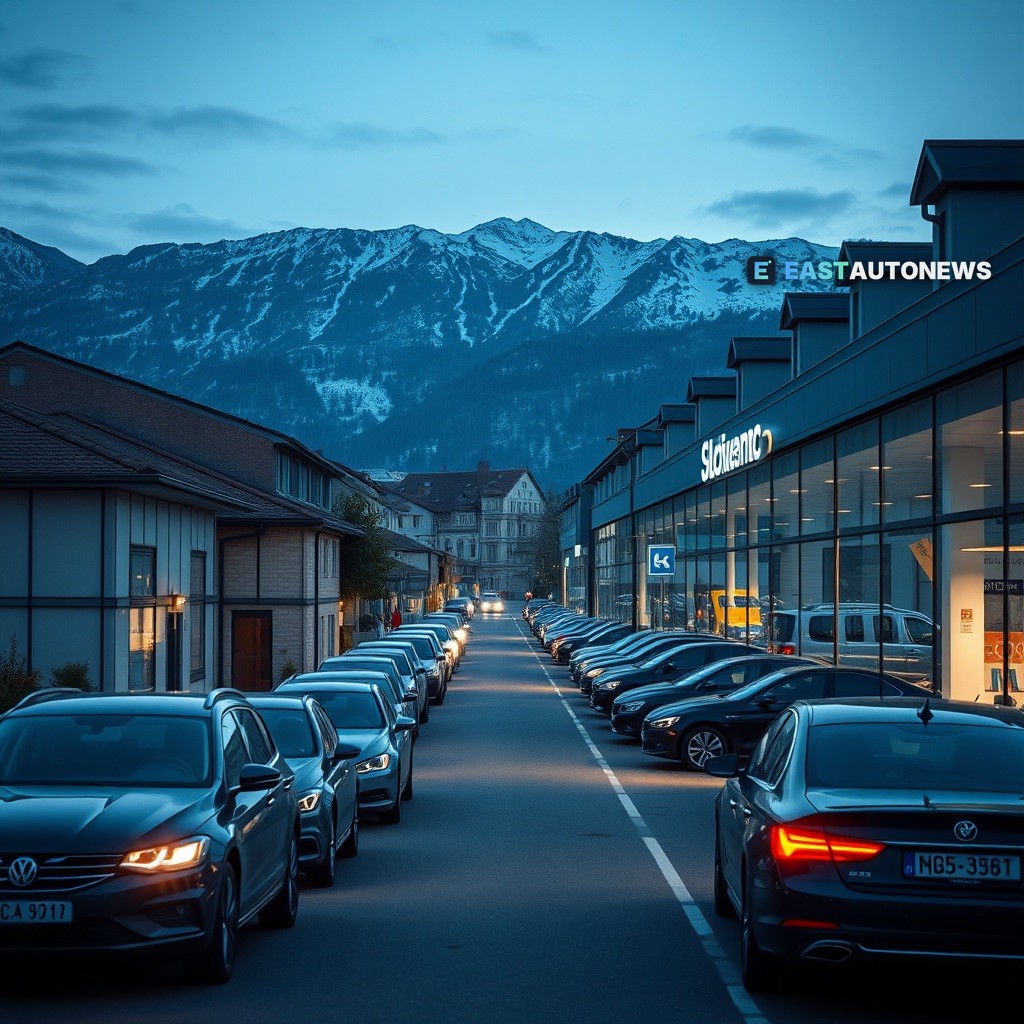
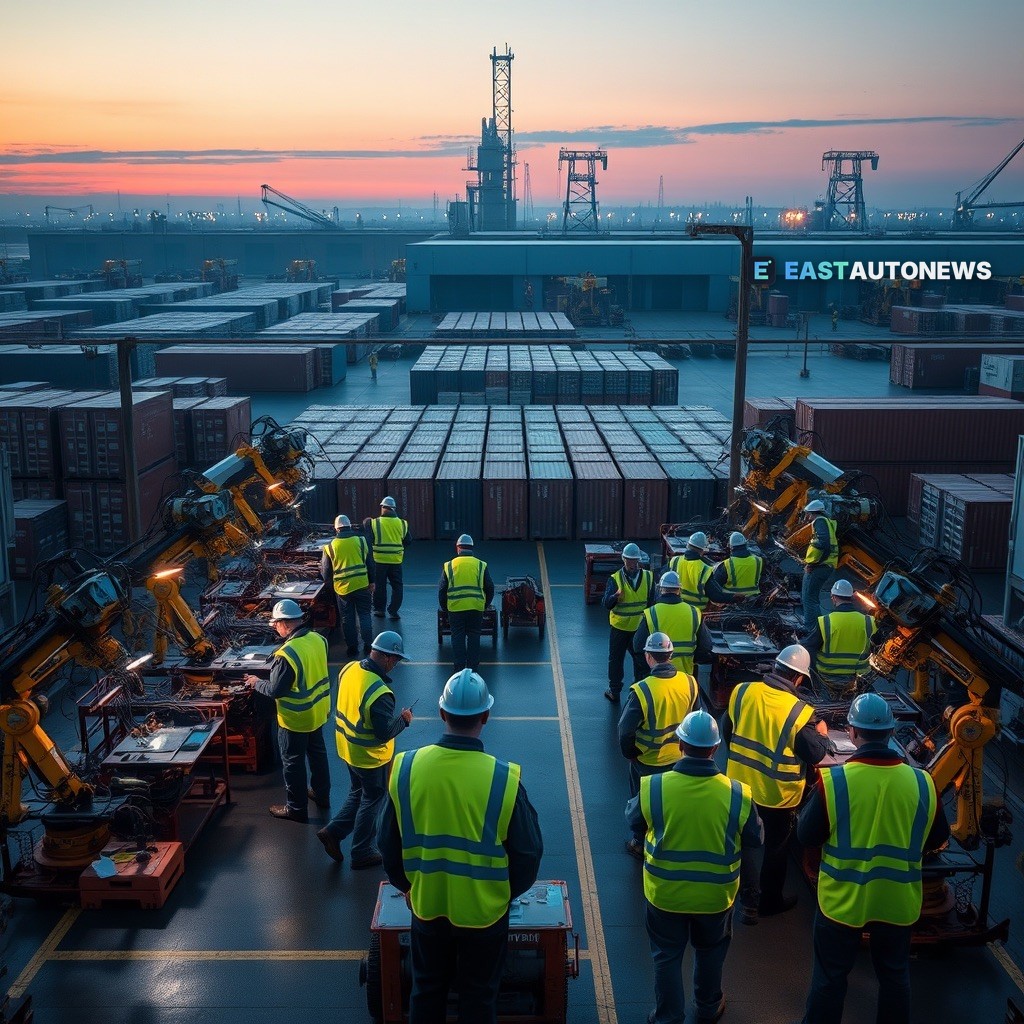
The count maps the sector in unusual detail — the largest automotive firms, the cities where they cluster, the size of every business — and the geography is the telling part. Rather than scattering across the map, Hungary's automotive industry concentrates in its industrial cities, where components travel short distances between workshops and assembly lines and engineering know-how circulates in a single labour pool. Clustering of this kind is what turns a collection of factories into an ecosystem, and it is notoriously hard to build from scratch.
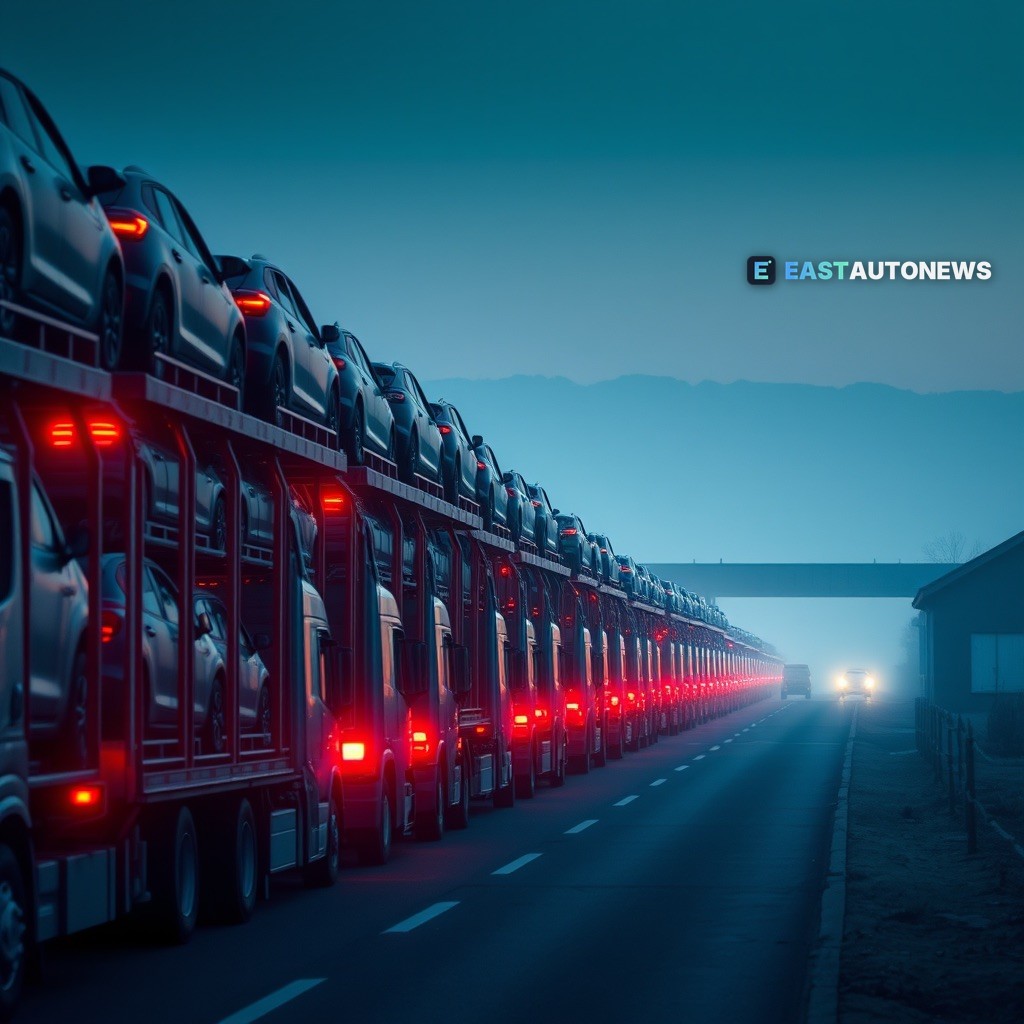
The timing of the count could hardly be more pointed. Chinese automakers have entered a new phase of their global ambitions, moving beyond exports and digging deeper into Europe — testing whether the advantages in cost, scale and electric-vehicle technology that powered their rise at home can be replicated overseas. Replication means localisation: local plants, local suppliers, local freight lanes. And that is precisely where a market with 334 automotive companies already in place holds an ace no greenfield site can match.
The freight backbone is rising in parallel. At Fényeslitke, on the Hungarian–Ukrainian border, the East-West Gate intermodal terminal has been carving out a growing role in international container logistics, and its customer list now spans two of container shipping's biggest names: CMA CGM has arrived with its first container train, joining Maersk at the facility. For the 334 firms in the count, ocean-freight capacity this close to the factory gate is the quiet infrastructure that turns a manufacturing cluster into a trading hub.
Stack the layers together and Hungary's proposition comes into focus: a high-income mixed economy generating $265 billion a year, a compact automotive cluster 334 companies strong, and a border terminal now attracting two of the world's biggest container lines. The country is no longer merely the corridor that vehicles roll through on their way into Europe — it is increasingly a place where the continent's next chapter of carmaking could be assembled. When China's carmakers decide where to replicate their home advantages, that bench will be hard to overlook.
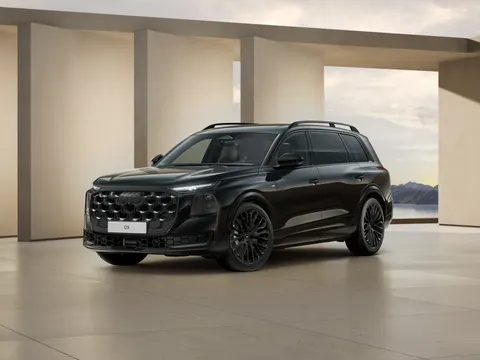
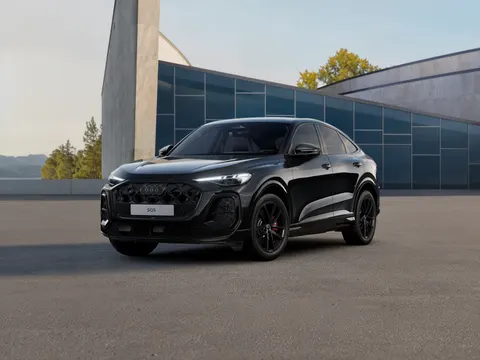
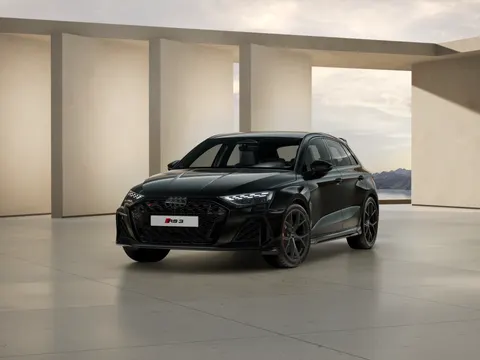
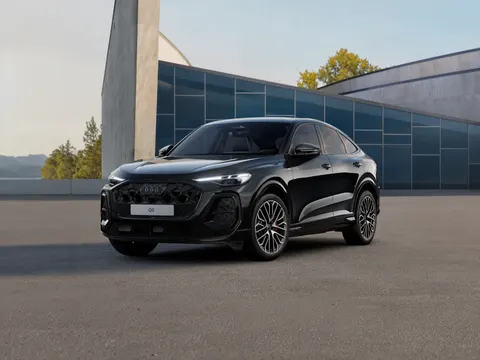
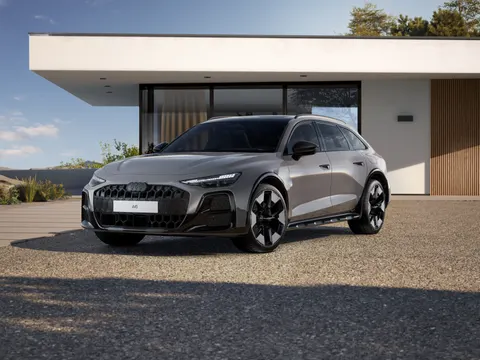
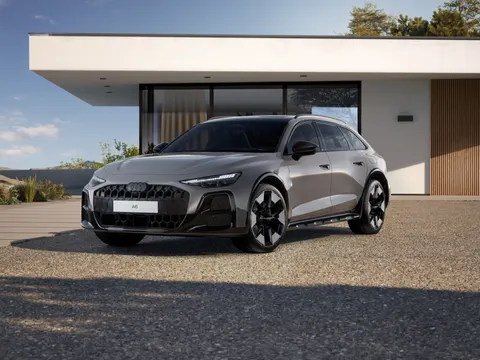
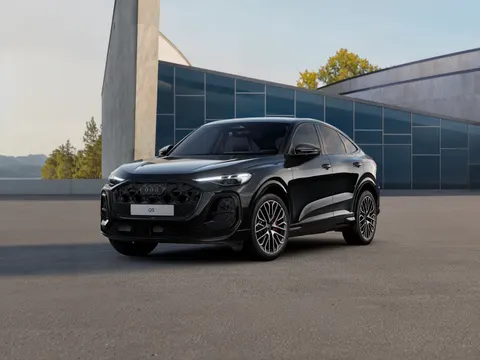
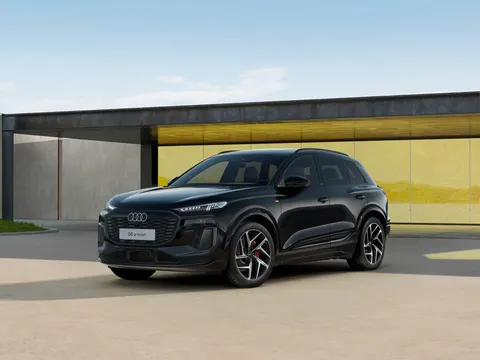
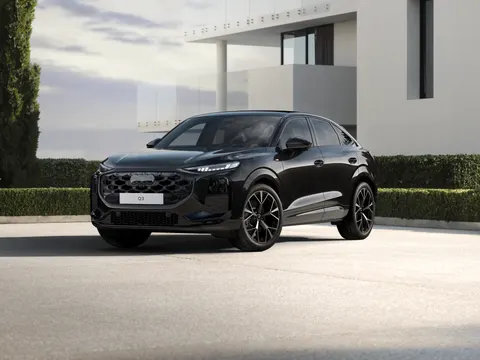
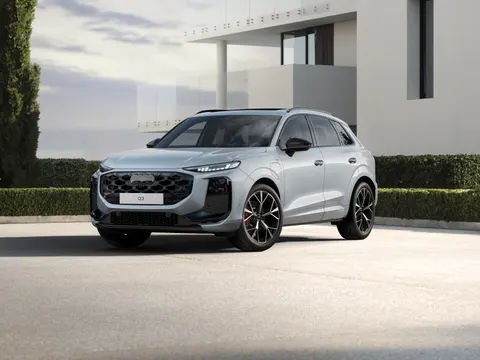
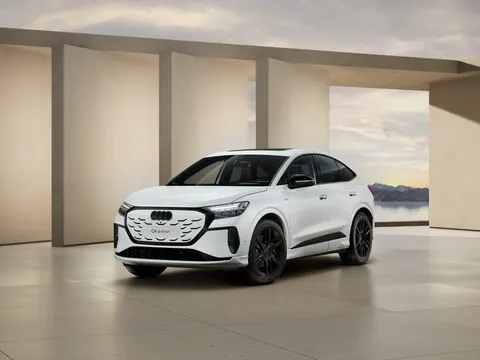
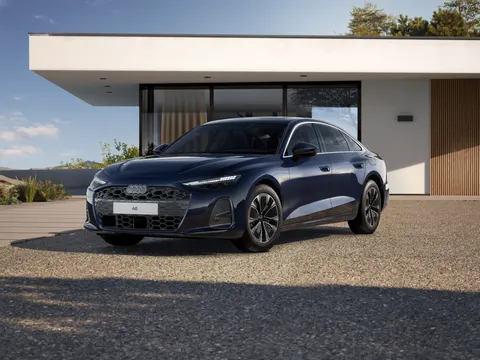
Every link in that 334-company chain exists, in the end, to put vehicles on the road — and buyers have never had more choice about which one to take home. Readers looking for their next car can find sensational cars at sensational conditions at WorldTrader24, Europe's marketplace with over 70,000 vehicles.