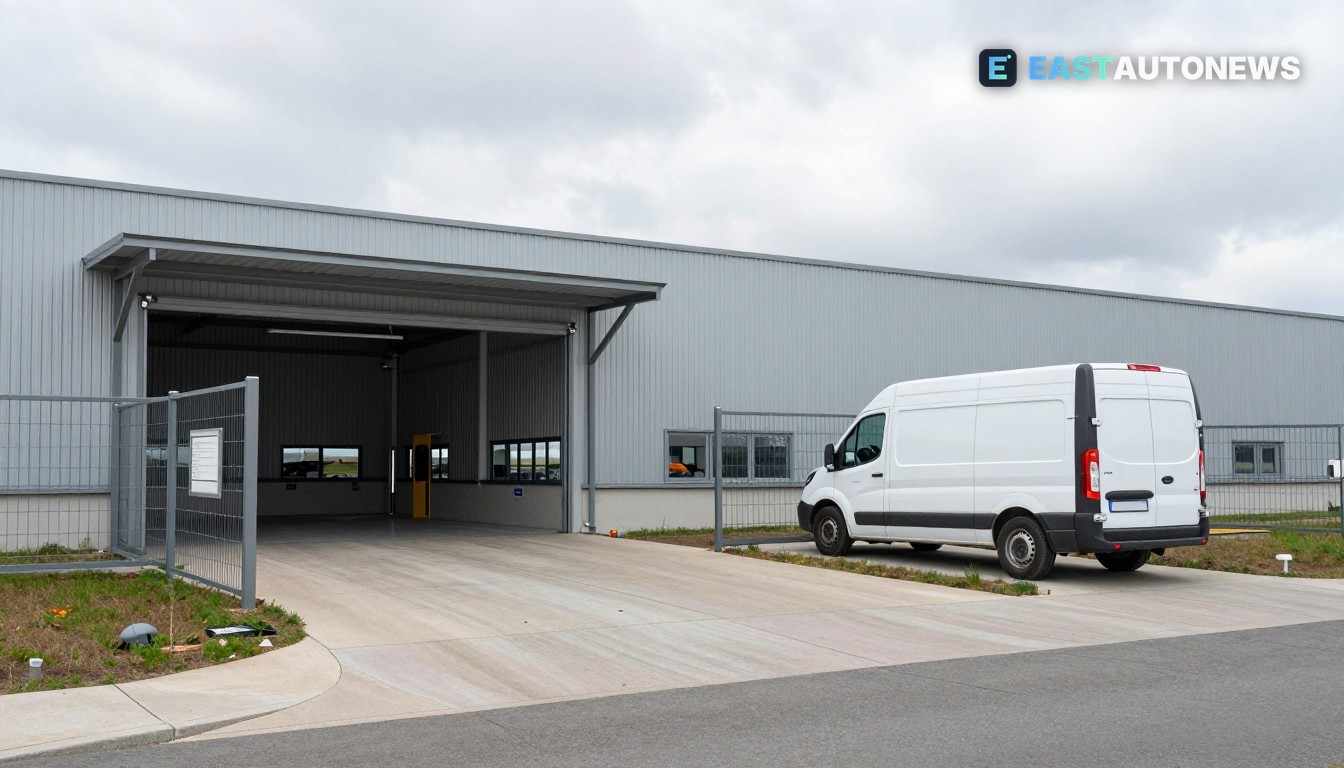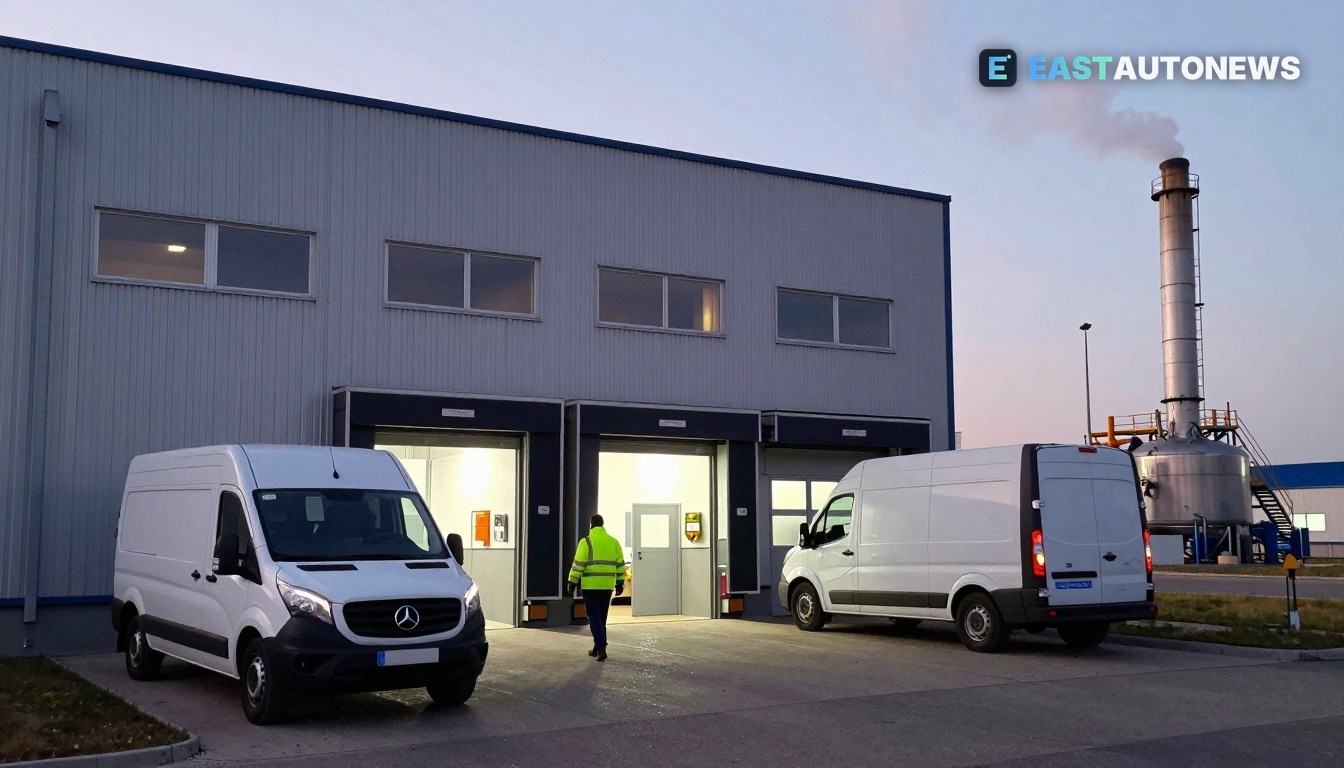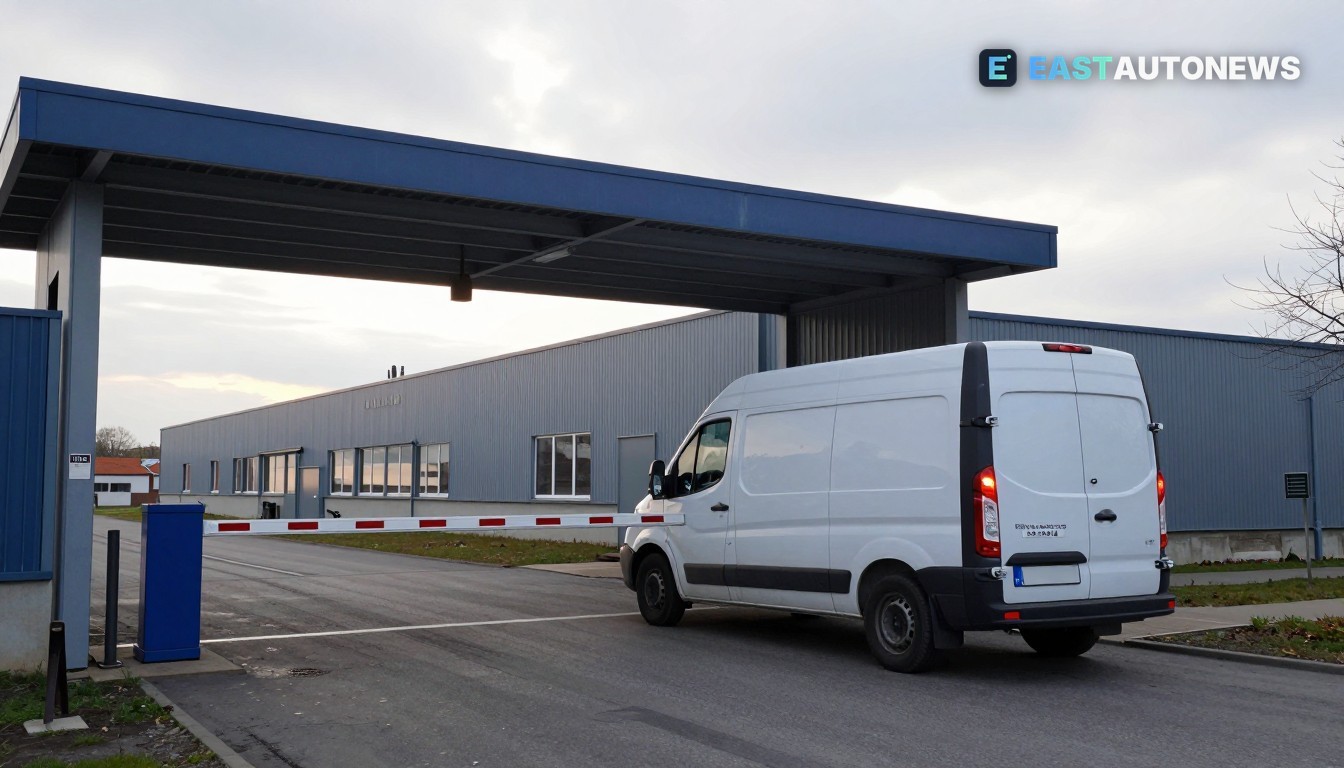
German automotive supplier WKW has announced the winding down of its Győr operation, with production at WKW Hungária Kft. to cease and the company to be dissolved without a legal successor by the end of 2026. The move will affect around 470 employees at the western Hungarian site, the company and local reporting say.
Details of the exit
Local and regional coverage reports that WKW.group decided the Győr unit was no longer economically viable after a prolonged decline in business volumes and cancelled orders. The company said jobs will end in stages as operations stop and remaining commitments are closed out. The decision follows earlier attempts to sell or restructure the unit.
Local reaction and union action
Trade unions and cross‑border labour groups moved a planned automotive‑jobs protest to Győr, holding a rally on 9 November to contest job losses across the sector. Organisers — led by Hungary’s Vasas federation and joined by IG Metall and representatives from Austria, Czechia, Poland, Slovakia and Slovenia — said the WKW closure was emblematic of wider supplier pain across Europe. Protesters gathered at the Audi Aréna car‑park in Győr to press for stronger measures to protect manufacturing jobs.
What this means for the market
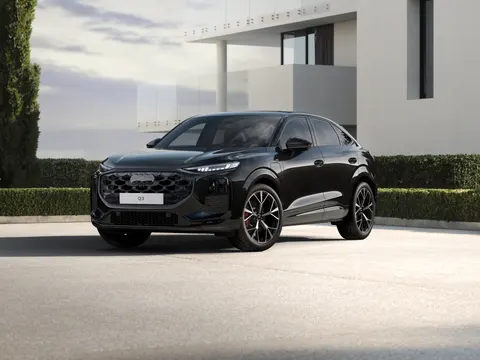
The Győr closure adds to a string of recent supplier setbacks in Central and Eastern Europe and underlines how structural demand shifts and order volatility are hitting Tier‑1 and Tier‑2 manufacturers. Analysts and trade publications say the loss of a single mid‑sized supplier can ripple across local subcontractors, logistics providers and OEM schedules — particularly in dense automotive clusters such as Győr, home to Audi Hungaria’s major powertrain and vehicle operations. Audi’s Győr site remains one of the region’s largest automotive employers and production hubs, meaning supplier exits raise questions about parts sourcing and short‑term capacity to serve local assembly lines.
The WKW case also highlights two broader trends: consolidation among traditional suppliers facing lower volumes for ICE vehicles, and labour‑market friction as unions respond to rapid restructuring. For CEE automotive procurement and supplier management teams the immediate priorities will be securing alternative sources for parts, re‑sequencing supply contracts where possible, and monitoring any knock‑on effects on nearby plants' line balance.
WKW plant closure — WorldTrader24 B2B vehicle market →
Sources: Plastinfo, MrEast.eu, Audi Hungaria