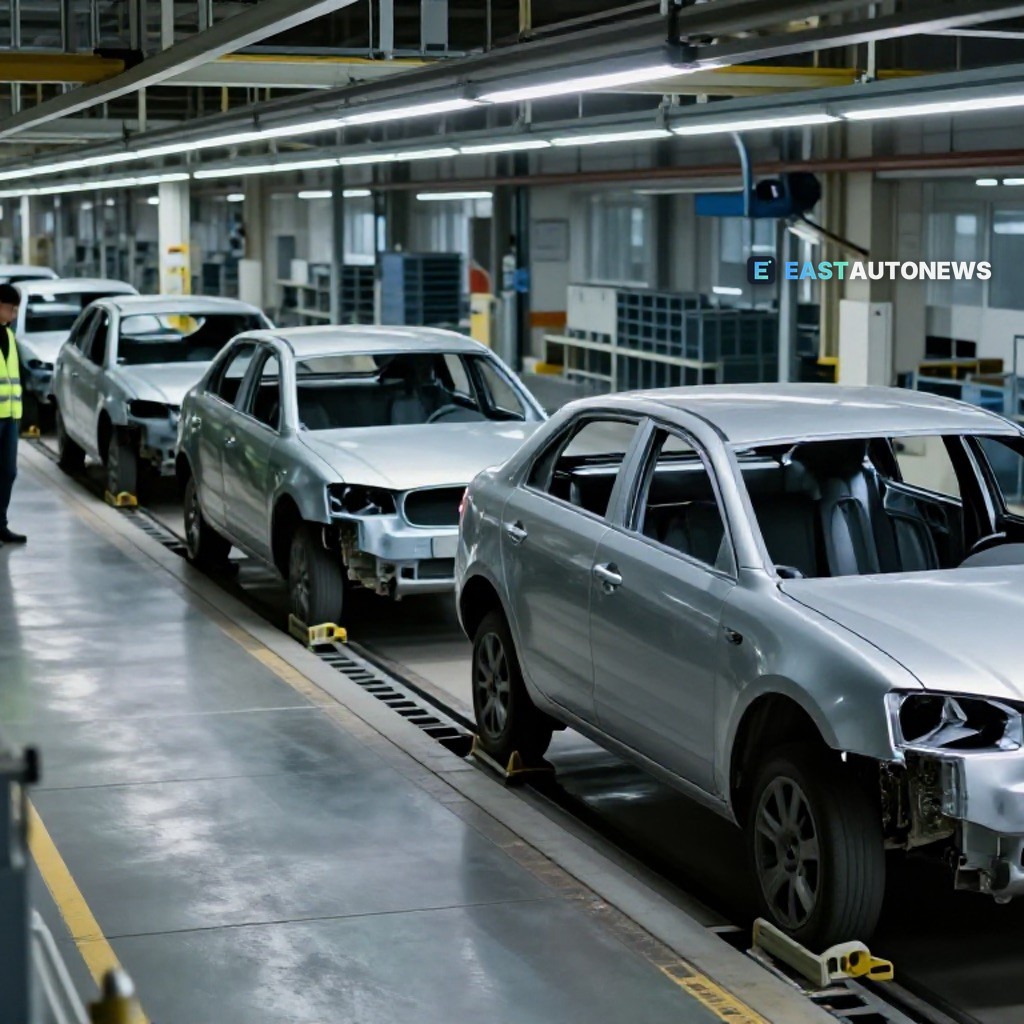
Chinese suppliers and OEMs are fast expanding production and supplier networks across Central and Eastern Europe, a shift that is already reshaping the region’s automotive supply map and grabbing the attention of European policymakers. The pattern was laid out in a widely circulated analysis this week that documents a rising wave of Chinese investment across the EV supply chain in the CEE region.
Fact base: scale and recent moves
Eurostat trade data underline the broader economic backdrop: in 2025 the EU imported €559.4bn of goods from China while exporting €199.6bn, leaving a goods trade deficit of about €360bn. Those flows help explain why investment — rather than simple cross‑border trade — has become an increasingly attractive avenue for Chinese industrial groups.
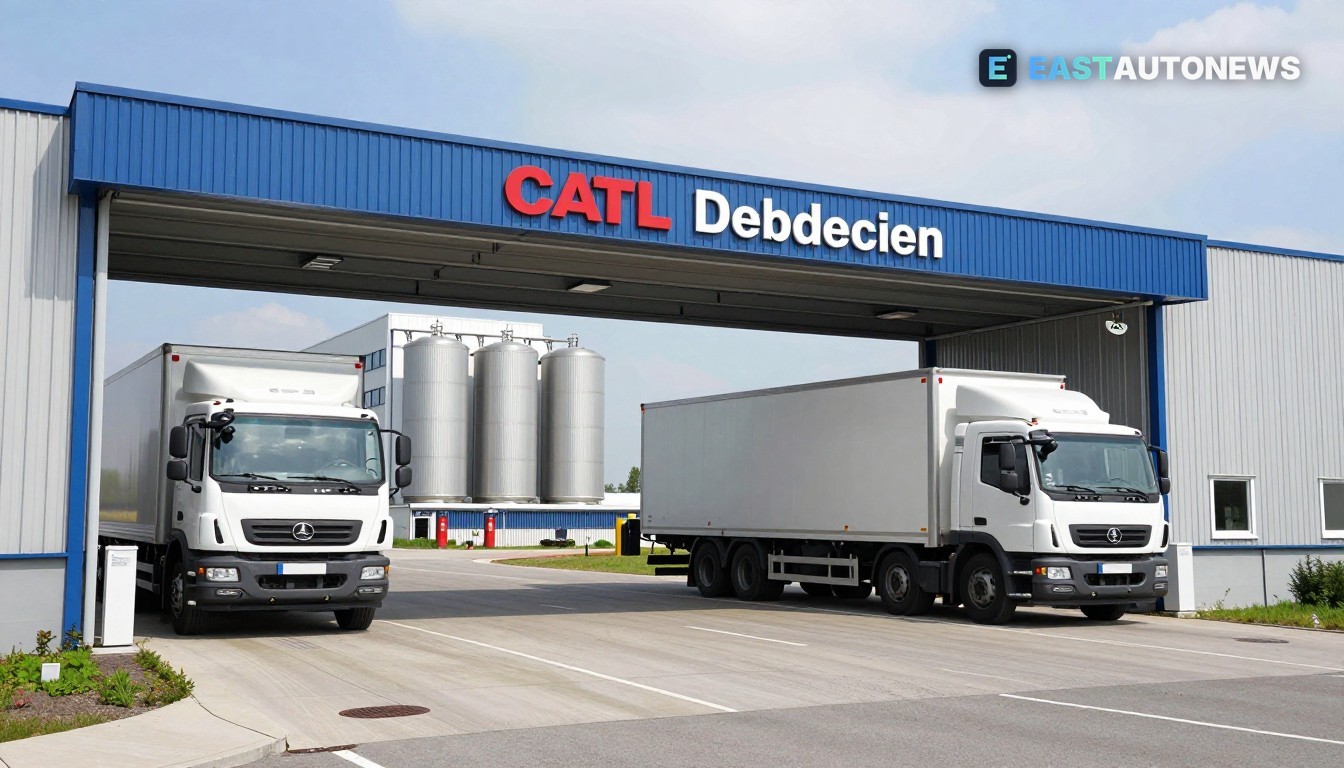
On the ground, headline projects have already moved from announcement to production testing. China’s largest battery maker, CATL, began trial cell production on the first two lines at its new Debrecen cell plant on 22 September 2026 — a site designed to reach very large scale and aimed at supplying European carmakers locally. Separately, BYD’s Szeged passenger‑car plant in Hungary has been reported to have entered trial phases earlier in 2026 and management has indicated full series production aiming at the fourth quarter of 2026, although timelines have slipped from earlier targets.
The Reuters analysis published on Nov. 11, 2026, argues these moves amount to more than individual projects: they are forming clustered supplier networks that can supply cells, modules, chassis components and assembly to European vehicle makers and to new Chinese‑owned vehicle plants inside the Single Market. The piece names CATL, BYD, Sunwoda and other Chinese groups as driving much of the recent FDI into Hungary, Slovakia and the Western Balkans.
What this means for the market
For carmakers and tier suppliers active in Central and Eastern Europe, the near‑term effect is twofold. First, local sourcing options are widening: access to cells, modules and lower‑cost sub‑assemblies inside the region reduces logistics lead times and can lower landed costs for European OEMs. Second, the arrival of Chinese suppliers increases competitive pressure on incumbent European and Korean suppliers — especially in components where scale and vertical integration matter, such as batteries and electric drivetrains. The combination can accelerate localisation of EV value chains in CEE but also concentrate strategic dependencies.
Policymakers and OEM procurement teams face practical choices. Relying on local Chinese capacity brings near‑term commercial benefits — but it heightens questions about supply‑chain resilience, ownership, and access to critical technologies. The Reuters analysis this week highlighted calls in Paris and Berlin for tougher investment screening and for an EU‑level mechanism to coordinate reviews of strategic projects; those debates are now squarely relevant to CEE governments courting investment.
The immediate market signal is clear: Chinese suppliers are not simply exporting more to Europe — they are building where European cars are made. That will force supplier rationalisation and faster qualification cycles for new vendors, and it should prompt OEMs and regional suppliers to re‑examine where they invest in capacity, R&D and strategic partnerships.
WorldTrader24 B2B vehicle marketplace for dealers →
Sources: Reuters (syndicated analysis), Eurostat, CnEVPost, Venture Atlas