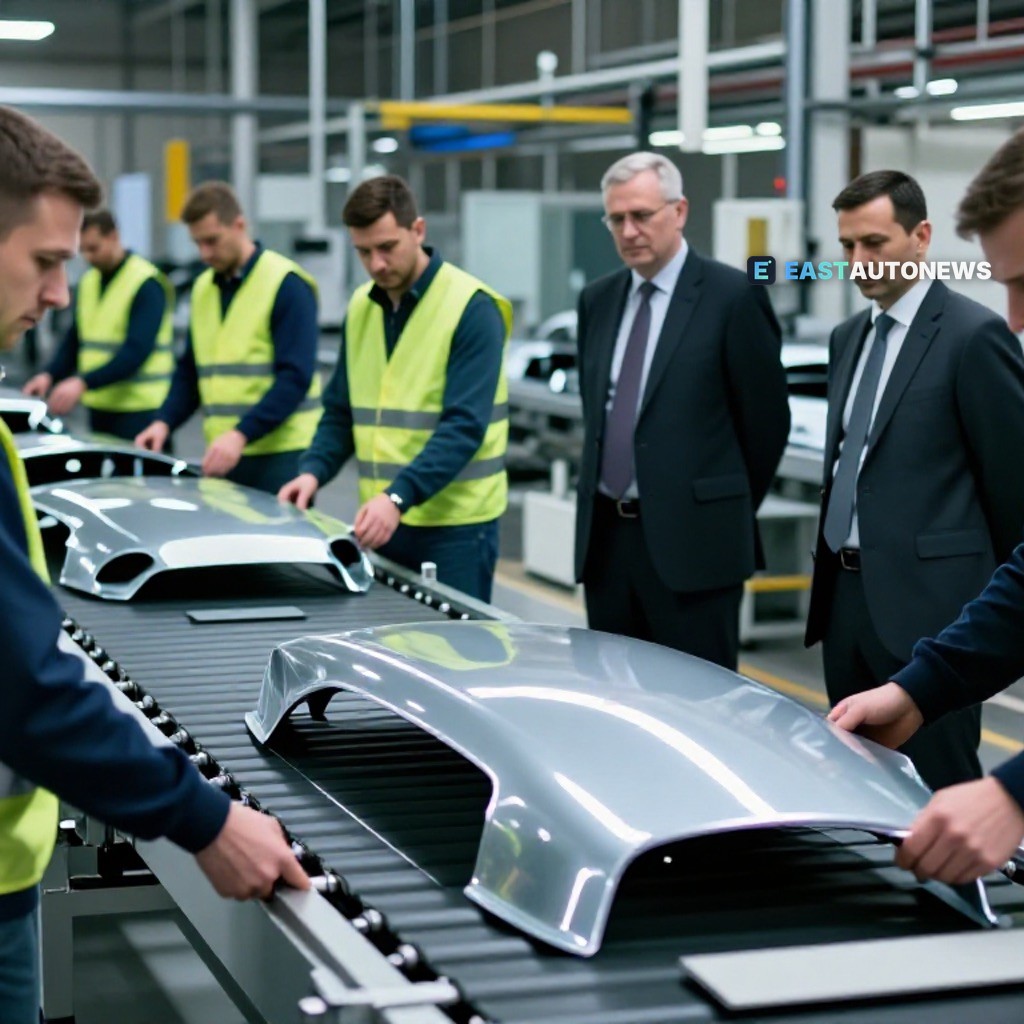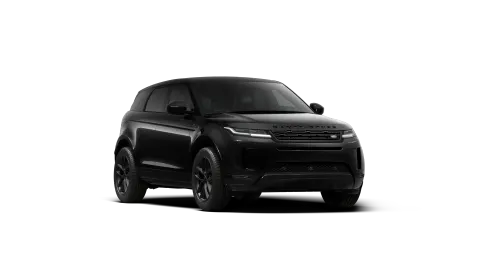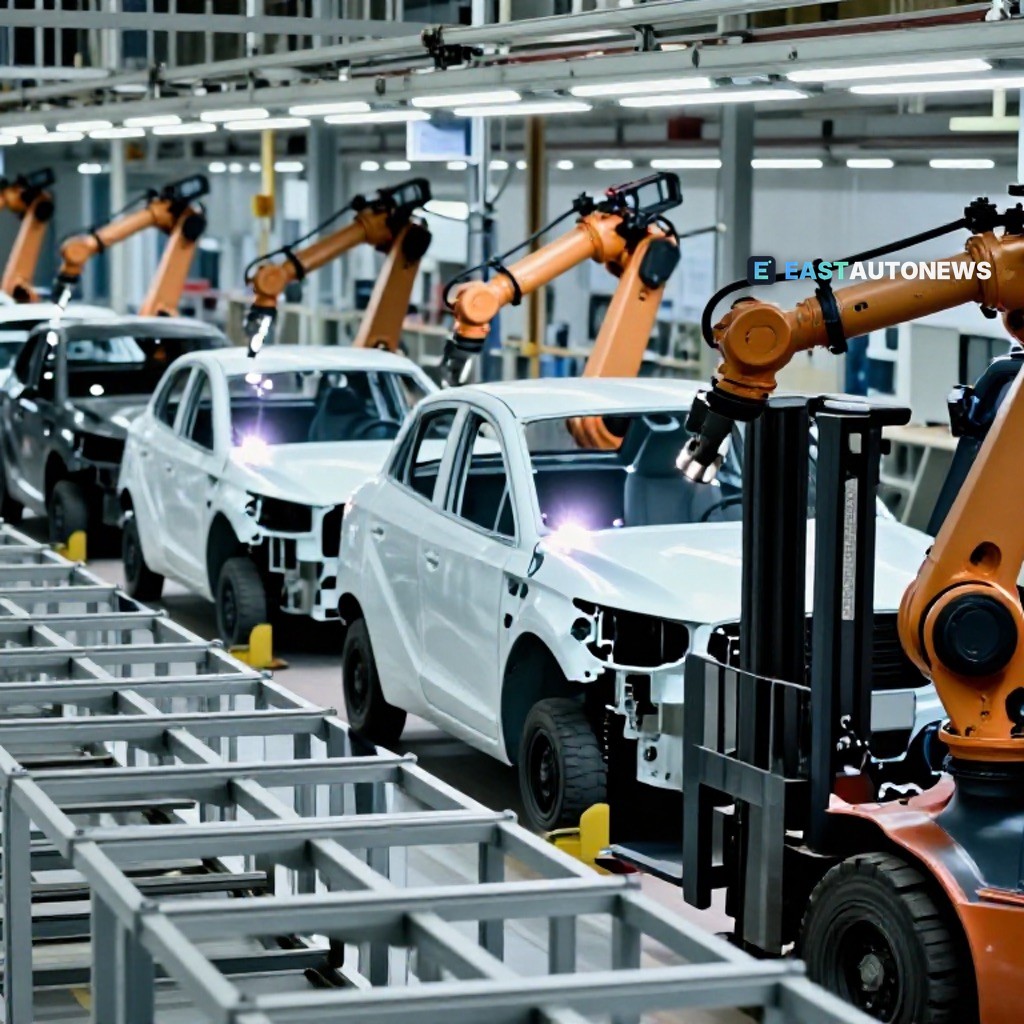
Serial production of the electric and hybrid versions of the Fiat Grande Panda is under way in Kragujevac, and the launch has created the impression that Serbia's domestic auto industry is stronger than ever. Yet, as the Novi Sad-based portal 021 reports, the records being set in Kragujevac are unfolding against a crisis in the supplier chain – a gap between headline success and upstream health that says a great deal about the real state of the sector.
The contrast poses uncomfortable questions for a country that has positioned automotive manufacturing as an export engine. While the Kragujevac plant captures the spotlight, the domestic parts industry is in crisis, the report finds. Assembly-line records count for little if the value they create leaks abroad, and a weakened supplier base undermines both industrial employment and the local-content argument that Serbia has leaned on to attract and keep manufacturers in the first place.
The timing is delicate. A recent policy analysis by Lilla Bankuty-Balogh of the European University Institute argues that playing East against West may no longer pay for small European states such as Serbia and Hungary. For an auto industry that lives from integration into European value chains, that is more than an academic point: suppliers in countries that hedge between Brussels, Washington and Moscow may find access to Western programs narrowing just as the contest for new contracts intensifies.
Domestic politics add a further layer of uncertainty. This year's parliamentary election marked a major shift for Serbia, a country where Aleksandar Vučić and his party had controlled every level of power while being accused of stifling democratic freedoms and allowing crime and corruption to flourish. Last week, lawmakers elected a university lecturer from the student-led protest movement – which grew out of the anti-corruption demonstrations that have shaken the country since 2024 – as speaker of parliament. For suppliers weighing investment and for manufacturers watching the country's stability, the new political landscape is one more variable in an already difficult equation.
The regional comparison sharpens the picture. While Serbian suppliers battle their crisis, their Romanian counterparts are actively courting new business: as EastAutoNews recently reported, 12 Romanian component producers took part in talks with BYD Global representatives, seeking access to the Chinese automaker's European supplier chain – a first concrete step toward embedding Romanian industrial expertise in BYD's expansion. The lesson for Serbia's parts makers is hard to miss: in a Europe where supply chains are being redrawn around both legacy manufacturers and Chinese newcomers, standing still is the riskiest strategy of all.
For buyers, the turbulence behind the factory gates rarely shows up in the showroom, but it can shape availability, lead times and prices. Anyone looking for a vehicle – from the compact hybrid and electric models now rolling out of Kragujevac to the vans and trucks that keep supplier logistics moving – can find sensational cars at sensational conditions at WorldTrader24, Europe's marketplace with over 70,000 vehicles, and compare offers before committing to a purchase.