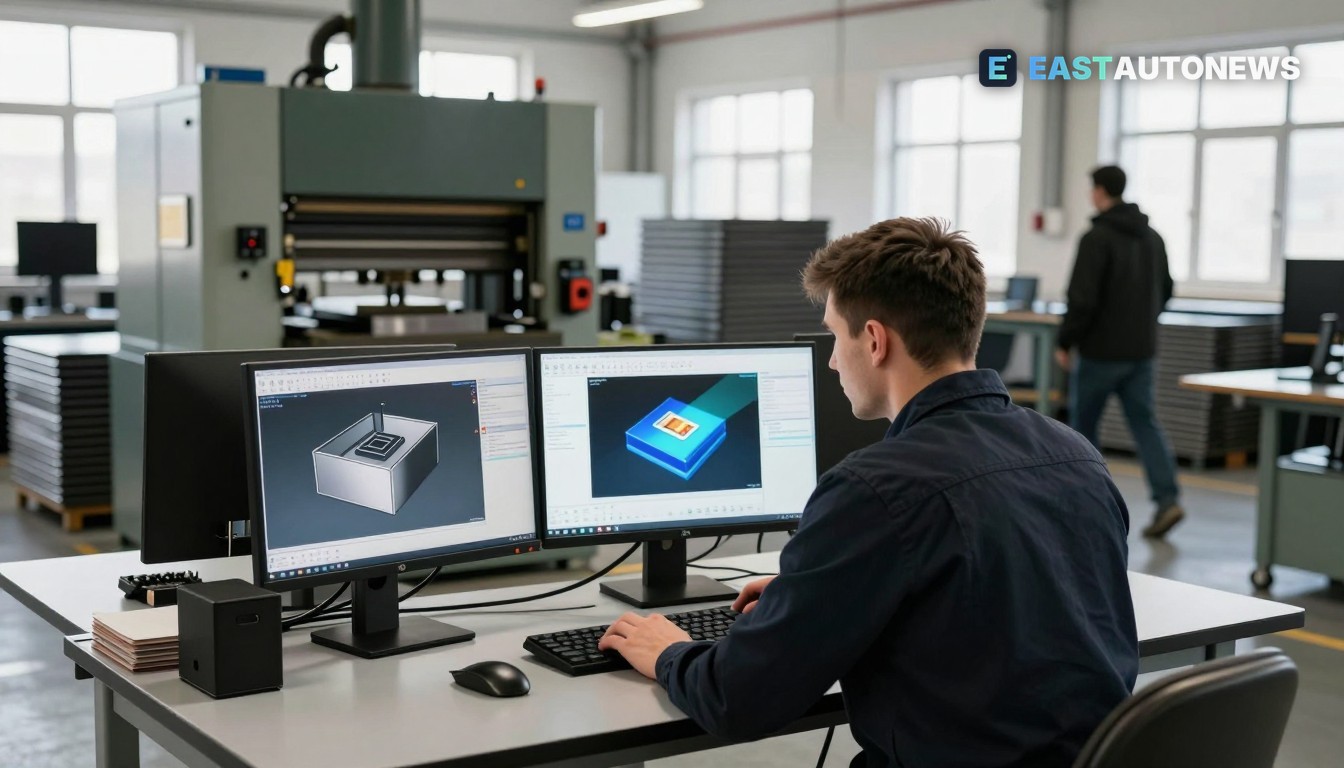
Swiss process‑simulation supplier AutoForm Engineering unveiled AutoForm Forming R26 on 19 November 2026, describing the release as a set of targeted upgrades to process‑feasibility and validation tools used across sheet‑metal forming and body‑in‑white (BiW) assembly workstreams. The company said the new version helps users improve split prediction for aluminium, perform more realistic surface‑quality checks and speed the generation of tool geometries for secondary operations.
New features and technical gains
Forming R26 introduces a smart mesh refinement strategy that automatically identifies areas that require greater mesh accuracy and applies local refinement. AutoForm says the selective approach improves split‑prediction accuracy while keeping model sizes and computation times manageable — a key concern for suppliers working with increasingly thin or multi‑material aluminium parts. The company highlighted the challenge that aluminium can rapidly move from localized deformation to fracture, and presented the smart‑mesh approach as a direct response.
The release also expands zebra‑line evaluation and surface‑quality capabilities. R26 adds advanced reflection modelling using a virtual light tunnel or wall and stores repeatable inspection setups so teams can reproduce the lighting conditions used in quality‑control departments and compare results reliably across projects. AutoForm said this makes zebra‑line analysis more realistic and flexible for appearance‑critical panels.
On tooling, AutoForm enhanced AutoForm‑DieDesignerPlus with a new workflow to create and finalise tool geometries for secondary operations (forming, trimming) by re‑using draw‑die data and existing process definitions. The company states this reduces manual rework and shortens the path from concept geometry to producible tool geometry.
What this means for the market
AutoForm positions R26 as an efficiency and quality‑control upgrade for stampers, Tier‑1 body suppliers and OEM engineering teams — sectors that remain central to Central and Eastern Europe’s automotive manufacturing base. The vendor notes that it has offices across Europe, including the Czech Republic, and that “all of the Top 20 automotive OEMs and most of their suppliers” use its software, underlining the potential reach of the update among CEE suppliers. Suppliers in CEE that handle complex aluminium panels or high‑appearance outer skins could use the new tools to shorten validation cycles and reduce expensive try‑out iterations at the toolmaker.
Dr. Markus Thomma, AutoForm Group CMO, said: “With AutoForm Forming R26, we remain committed to providing our customers with accurate and practical solutions for process feasibility and validation in sheet metal forming. The new capabilities enable users to make more confident decisions, streamline development workflows, and achieve higher product quality while reducing engineering effort and costs.” That quote is part of the company’s 19 November press release.
For CEE suppliers already under pressure to cut lead times and rework, the technical changes in R26 target two frequent pain points: appearance‑quality confidence and reliable fracture prediction for lightweight materials. Whether the update translates into fewer physical try‑outs or faster ramp‑to‑series will depend on individual toolrooms and the extent of aluminium content in current programmes — facts that remain specific to each supplier and programme.
Immediate vehicle listings on WorldTrader24 →
Sources: AutoForm Engineering GmbH