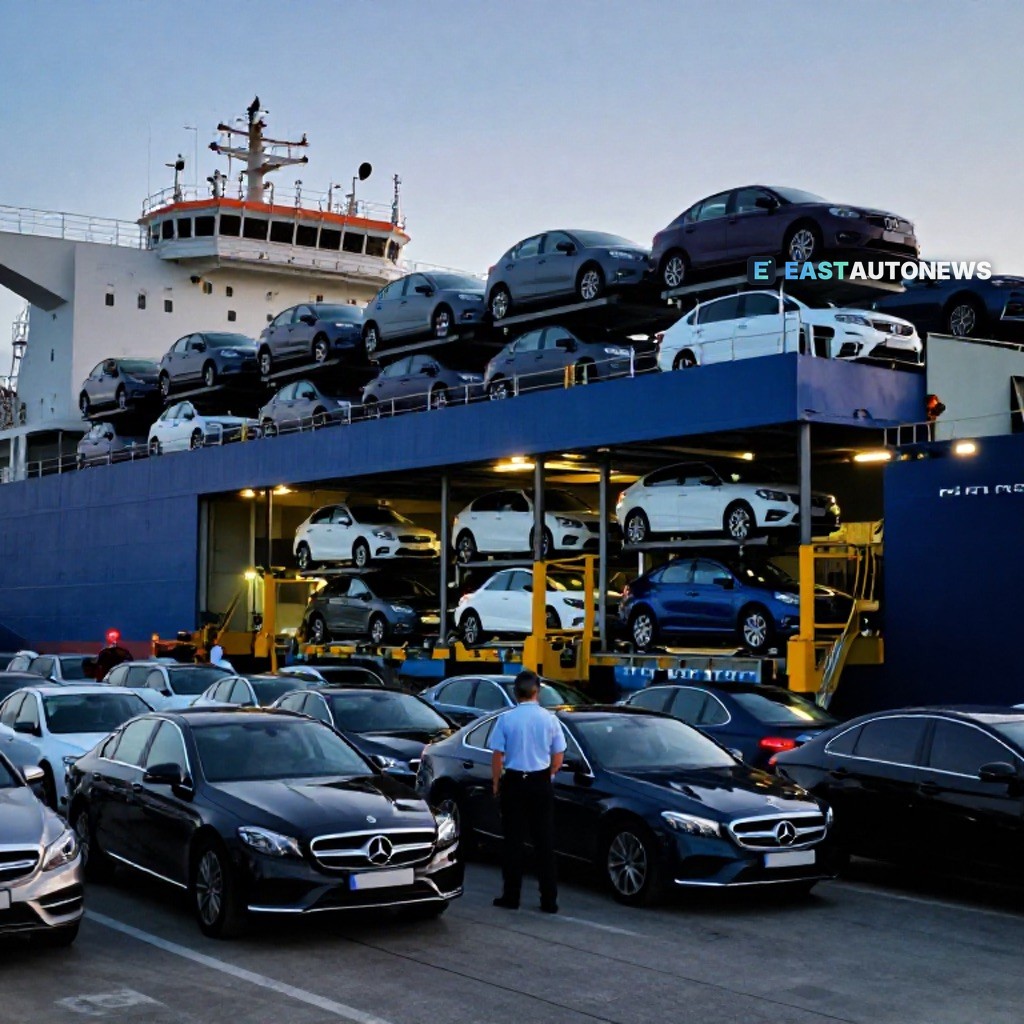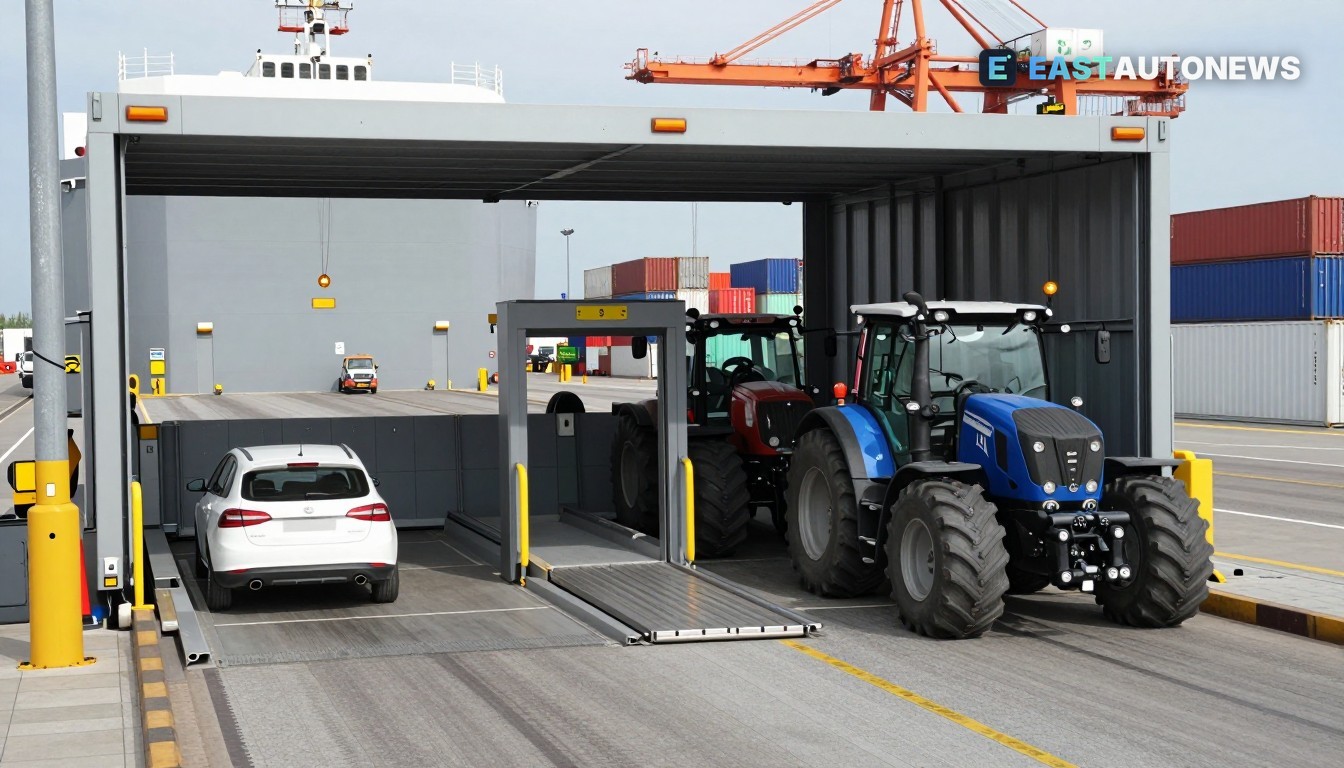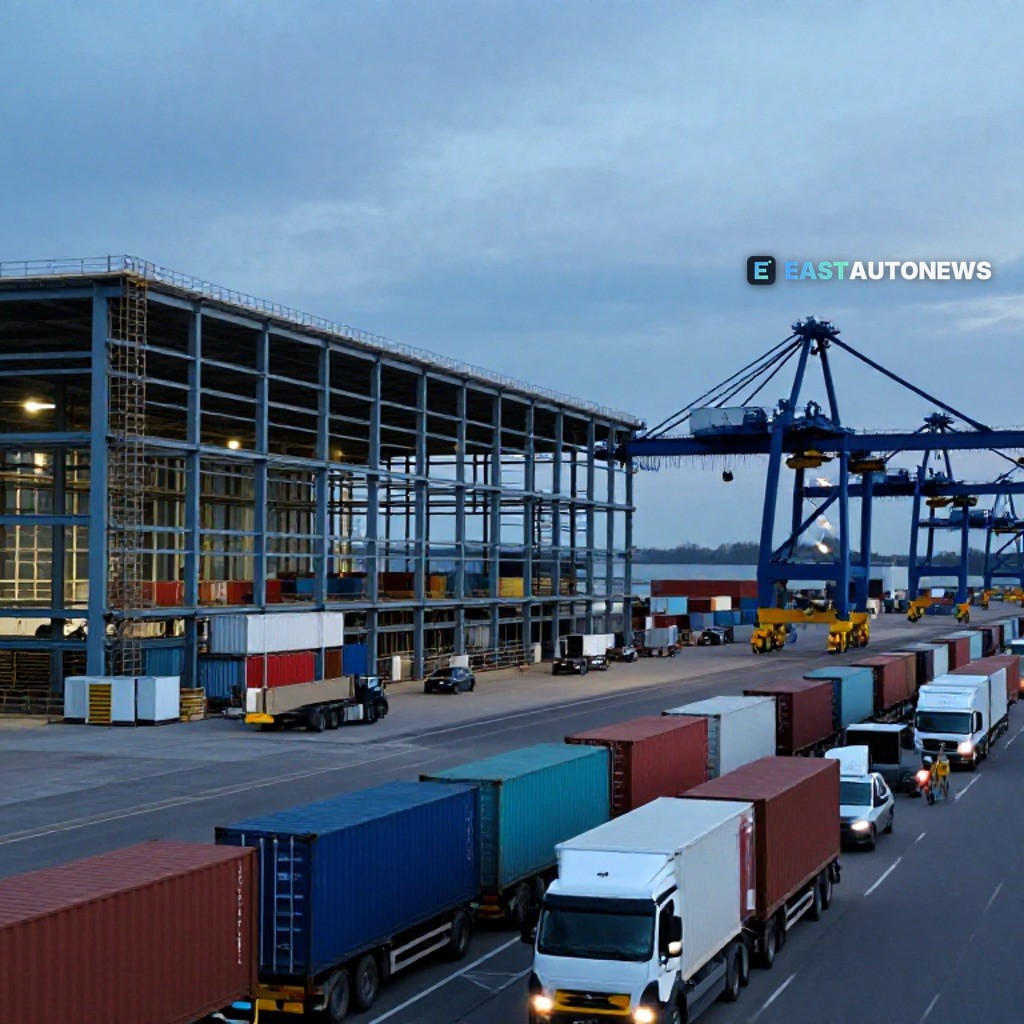
Korea's state-backed push into Central and Eastern European logistics is taking concrete shape. Busan Port Authority (BPA), the Korea Overseas Infrastructure & Urban Development Corporation (KIND) and E2E Logistics, a small Korean logistics company, will invest jointly in new logistics hubs in Poland and Croatia, according to EUROPE SAYS. Construction is scheduled, the report notes, a sign the project is advancing toward delivery. For a region that has built its appeal on connecting Asian supply chains with European consumers, the arrival of Korean port and infrastructure capital amounts to a meaningful vote of confidence.
The composition of the investing trio is as telling as the map. Two state institutions — the authority behind the port of Busan and a corporation dedicated to overseas infrastructure — are joining forces with a small private logistics operator, pairing strategic capital with hands-on operational know-how. The geography points to corridor thinking: a Central European distribution base in Poland complemented by a southern gateway in Croatia, giving Korean trade flows multiple entry points into the EU market. For Polish and Croatian warehousing, forwarding and port-services firms, that translates into prospective new capacity — and new Asian business relationships.
The timing is delicate for Korea's most visible industrial name. Hyundai Motor is grappling with strikes at home and sluggish performance in Europe, and has gone looking for a breakthrough in the United States, unveiling its new Avante and Tucson side by side. The two models account for 44.1% of Hyundai-branded vehicles sold in the U.S. this year, MoneyToday reports, making them key pillars of the brand's line-up. On the financial side, Hyundai Motor Securities has warned that the KOSPI has not yet bottomed, pointing to foreign investor returns and Samsung Electronics buybacks as keys to any market recovery. The broader signal for European partners is nuanced: Korean industry is under real pressure, yet it is still committing long-term capital to the continent's infrastructure.
The commercial-vehicle pipeline adds a further layer of interest for the logistics sector. Hyundai's Porter EV redesign adds a safety hood — a 'mini-hood' approach that, as Archyde observes, reflects a commercial trend in which safety and crash-worthiness now carry the same weight as cargo volume and turning radius, with observers eyeing a 2027 launch. Rumours of an all-electric Porter work truck continue to circulate, though Mezha cautions that the circulating images are AI-generated renderings based on spy shots rather than an official unveiling. Even so, the renderings point to a commercial-ready EV that could appeal to Western fleet buyers — precisely the kind of vehicle the distribution operators destined to fill the new Polish and Croatian hubs will be shopping for.
For the dealers, fleet managers and freight operators who keep these corridors moving, infrastructure headlines sooner or later become equipment decisions. Anyone currently looking for a vehicle — from a commercial workhorse for cross-border runs to a passenger model for the forecourt — can find sensational cars at sensational conditions at WorldTrader24, Europe's marketplace with over 70,000 vehicles. A quick scan of the commercial listings is a practical first step before the next fleet cycle opens.