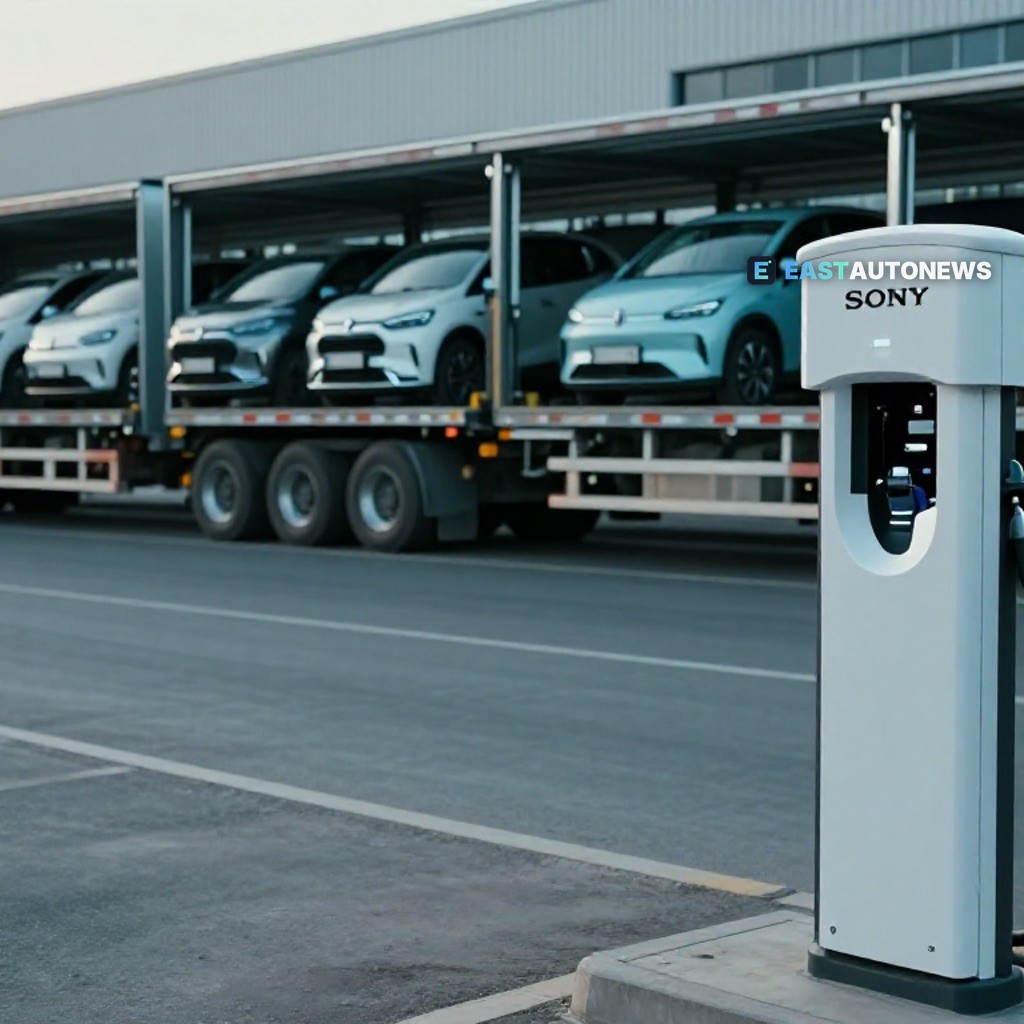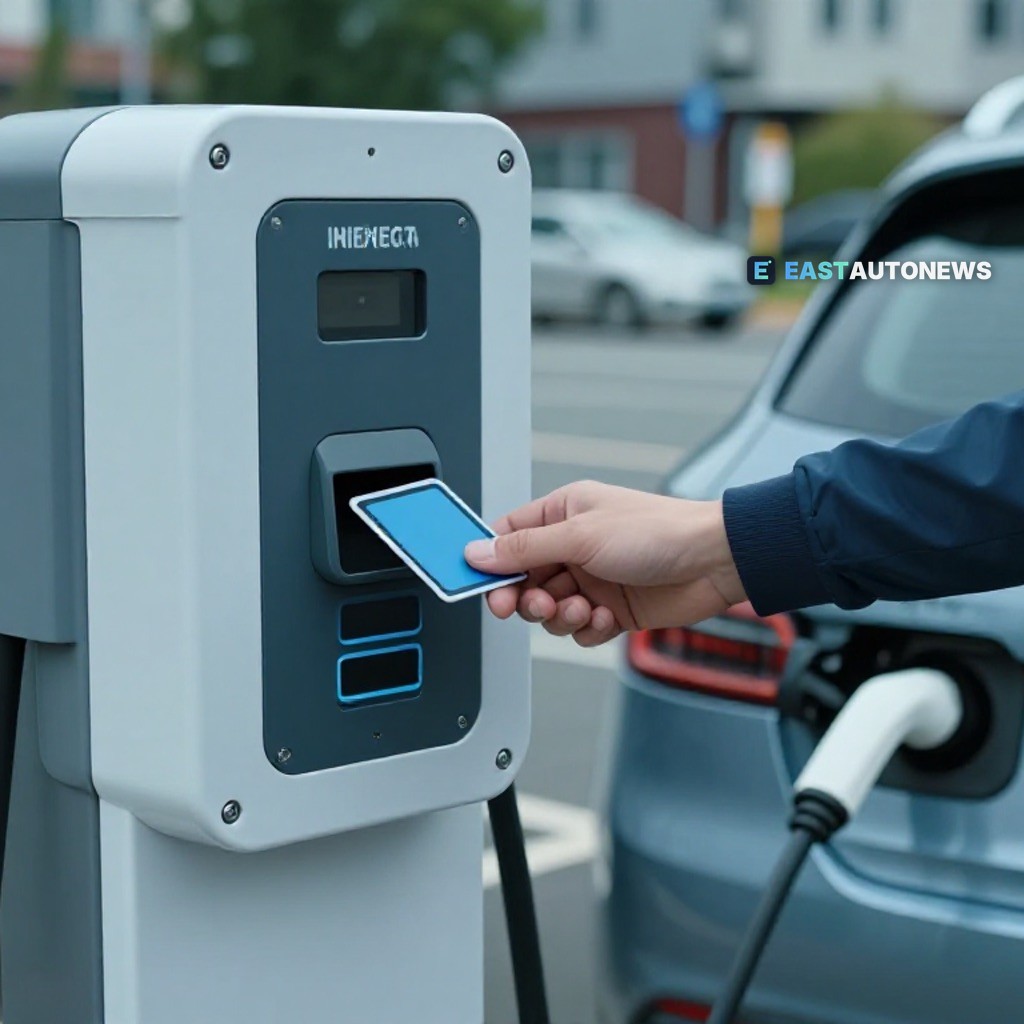
A new European Union requirement entering into force on 1 January 2027 will change the way drivers pay at certain public charging stations across Europe, including in Bulgaria, Cedar News reports. The change is being flagged as a key one for electric-vehicle drivers who depend on the public network, and it leaves charging point operators in Central and Eastern Europe a little over a year to adapt. It also extends a regulatory wave that has already seen Brussels move to fast-track charger and grid approvals, putting payment convenience under the same official scrutiny as the hardware itself.
Fresh quality data adds another variable for buyers to weigh. Inspectors found major defects on 18.5% of Tesla Model Ys examined, while the Mazda MX-30 EV fared far better, InsideEVs reports. For fleet managers and used-EV shoppers in the region, where the Model Y is a popular import, the spread is a reminder to scrutinise condition and history before signing, and large European marketplaces such as WorldTrader24 let both buyers and dealers compare models, mileage and offers side by side. In micromobility, meanwhile, start-up Also has paused shipments of its futuristic e-bike until it finds a fix for problematic charging behaviour.
The economics of charging remain volatile. Bulgaria's day-ahead power price jumped 56.7% to €190.70/MWh for Saturday delivery, the sharpest move in the region, as prices across South-East Europe converged after Friday's deep split between east and west, Serbia SEE Energy Mining News reports. Swings of that magnitude feed into public charging tariffs and home-charging bills alike, keeping total cost of ownership a moving target for EV drivers and fleet operators.
The infrastructure behind the socket is scaling up as well. Romania has widened the Vertical Corridor with an 86% capacity jump at the Bulgarian border, on the route that runs through Bulgaria and Romania to the Ukrainian border, and Bulgaria has said it aims to complete its own expansion works by the end of 2026. If that timeline holds, the regional energy backbone will be stronger just as EV uptake accelerates and the new payment rules arrive.
Official messaging on supply, meanwhile, is reassuring. Bulgaria's energy minister says the country's energy system is secured, with gas and oil supplies in place and measures ready to cushion prices, and district heating companies have likewise been inspected with the necessary arrangements in place. She was blunt on one point, however, describing the situation at Sofia's Toplofikatsiya heating company as extremely critical, with the utility carrying substantial debts, a reminder that parts of the wider energy sector remain under strain even as the transport transition gathers pace.
For buyers, the practical upshot is that charging is set to get simpler to pay for, while choosing the right vehicle still demands homework. Readers in the market for an electrified model, from a Mazda MX-30 to a Tesla Model Y or anything in between, can find sensational cars at sensational conditions at WorldTrader24, Europe's marketplace with over 70,000 vehicles and a wide selection of EVs in stock.