Five. That is the full extent of Latvia's presence on the region's latest ranking of its 500 largest companies — five flags on a table where Serbia plants fifteen, Slovenia thirteen and neighbouring Estonia ten. For a Baltic state watching Europe's car industry redistribute its money, its parts and its risks, the arithmetic lands like a cold shower: whoever wants a seat at the supplier table first needs companies big enough to pull up a chair.
The composition of the list explains the gap. The highest aggregate revenues on it were generated by companies in mining, chemicals, petroleum, plastics and pharmaceuticals — heavy industry and processing, not the harnesses, modules and electronics that roll into Europe's car plants. With only five names on the board at all, Latvia has limited corporate firepower to deploy at the precise moment the automotive sector's tectonic plates are shifting.
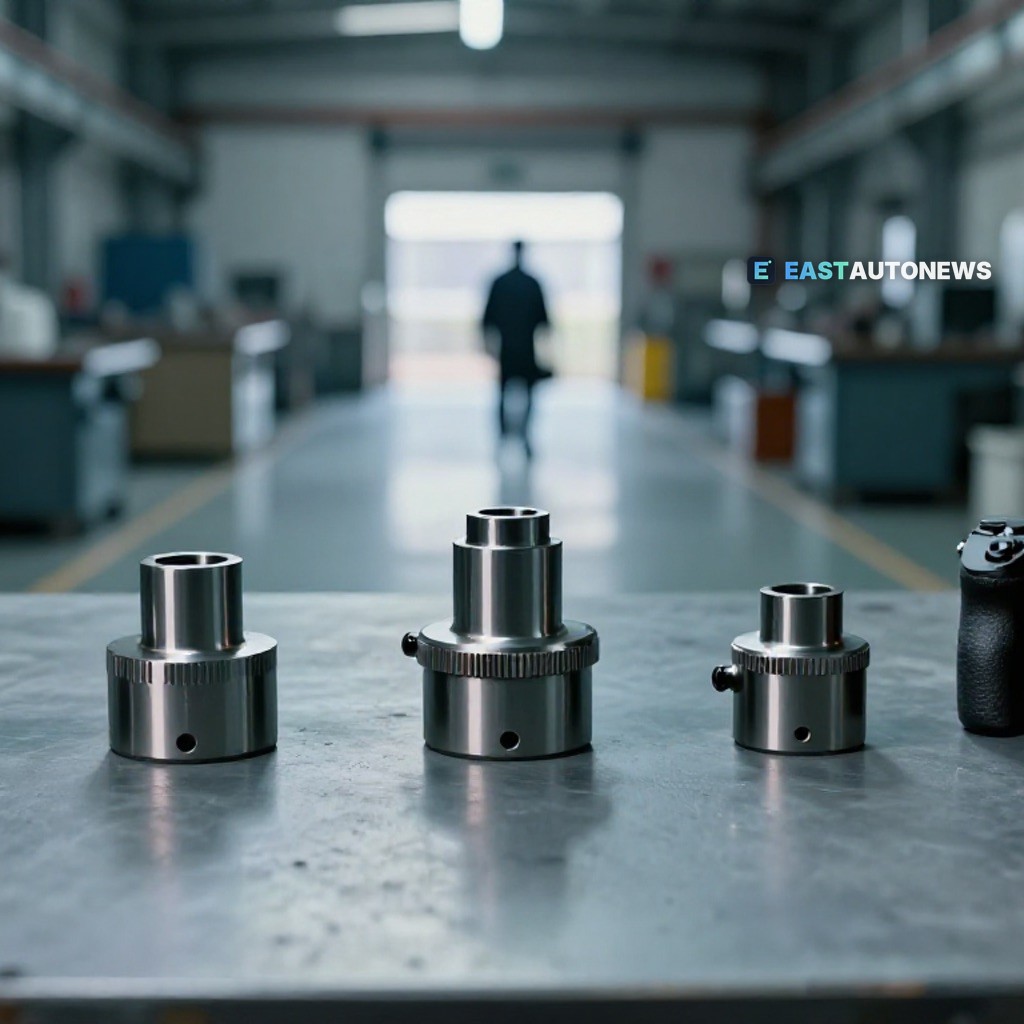
Consider where the money is going. An analysis published this month by Technology.org warns that Europe's EV boom "risks running on foreign power," with a handful of European ventures mounting a direct counteroffensive against an influx from the East. The flagship example: Porsche has invested roughly €1 billion to construct a dedicated battery module facility in Horná Streda, Slovakia. Note the geography — the counterattack is being financed in Central Europe's supplier heartland, not on the Baltic rim, which sits a long truck ride from the action.
The same week delivered a reminder of how fragile the whole edifice is. Stellantis says a single missing chip from an unnamed supplier is causing significant disruption to Fiat production in Italy — a shortage that could last through November and December and has already hit October sales of the Fiat Pandina. One component, one source, one stalled line: for a small supplier community, the lesson is written in lost volume. Concentration is the fastest way to become someone else's bottleneck — or a casualty of one.
The parts trade, meanwhile, is consolidating on its own terms. Automotive News reports that Mighty Auto Parts has added 23 dealer franchisees since 2020 and wants more, with dealers arguing that owning a wholesale parts business captures margin — even though startup costs top $500,000 and open markets are dwindling. The message crosses the Atlantic intact: in components, the money now sits with those who control scale and distribution, not those who merely hold inventory. Latvia's five heavyweights — and the smaller suppliers beneath them — will need exactly that grip to matter in a European supply chain being rebuilt around batteries, chips and margin discipline.
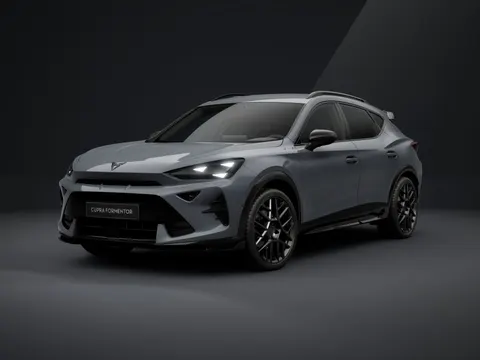
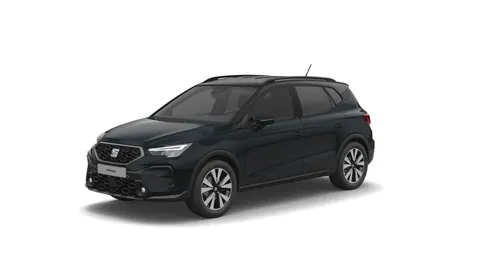
For all the industrial chess behind the showroom glass, most readers ultimately care about the vehicle in front of them — and the deal attached to it. Anyone currently in the market can find sensational cars at sensational conditions at WorldTrader24, Europe's marketplace with over 70,000 vehicles.