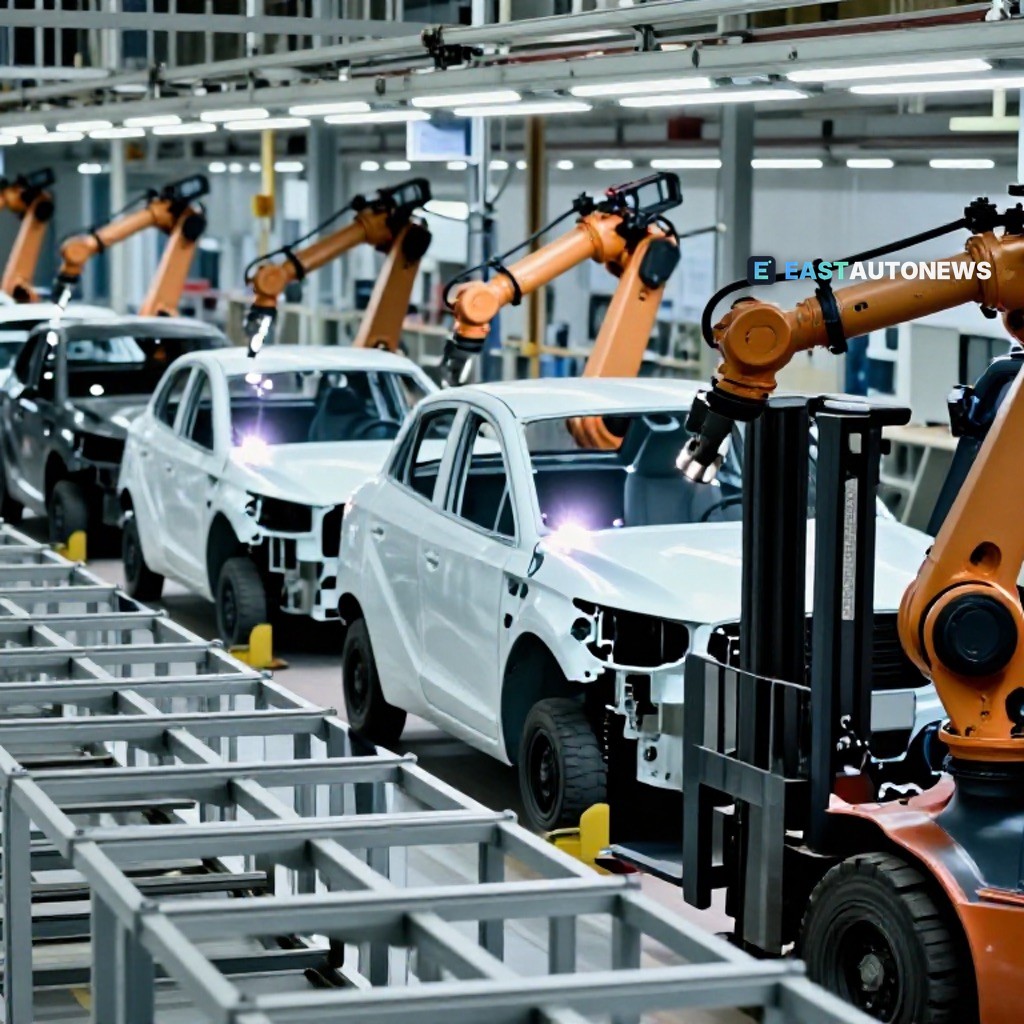
Dacia and the Romanian authorities are drawing up rapid measures to secure the future of the country's automotive industry, according to Business24. Both the Bolojan government and the new Niculescu government have signalled that producers must be given the tools to preserve their competitiveness in an environment marked by cost pressures and rapid change - a message that lands directly on the desks of the supplier companies clustered around Romania's car industry.
The urgency is easy to see in Dacia's October numbers. The Sandero held on to its position as Europe's best-selling car with almost 18,000 units registered, but the Duster and Bigster posted strong declines. Across extended Europe, a market definition that includes Turkey and Ukraine, Dacia registered 44,792 passenger cars in the month - a solid but shifting performance that helps explain why competitiveness support has become a political priority in Bucharest.
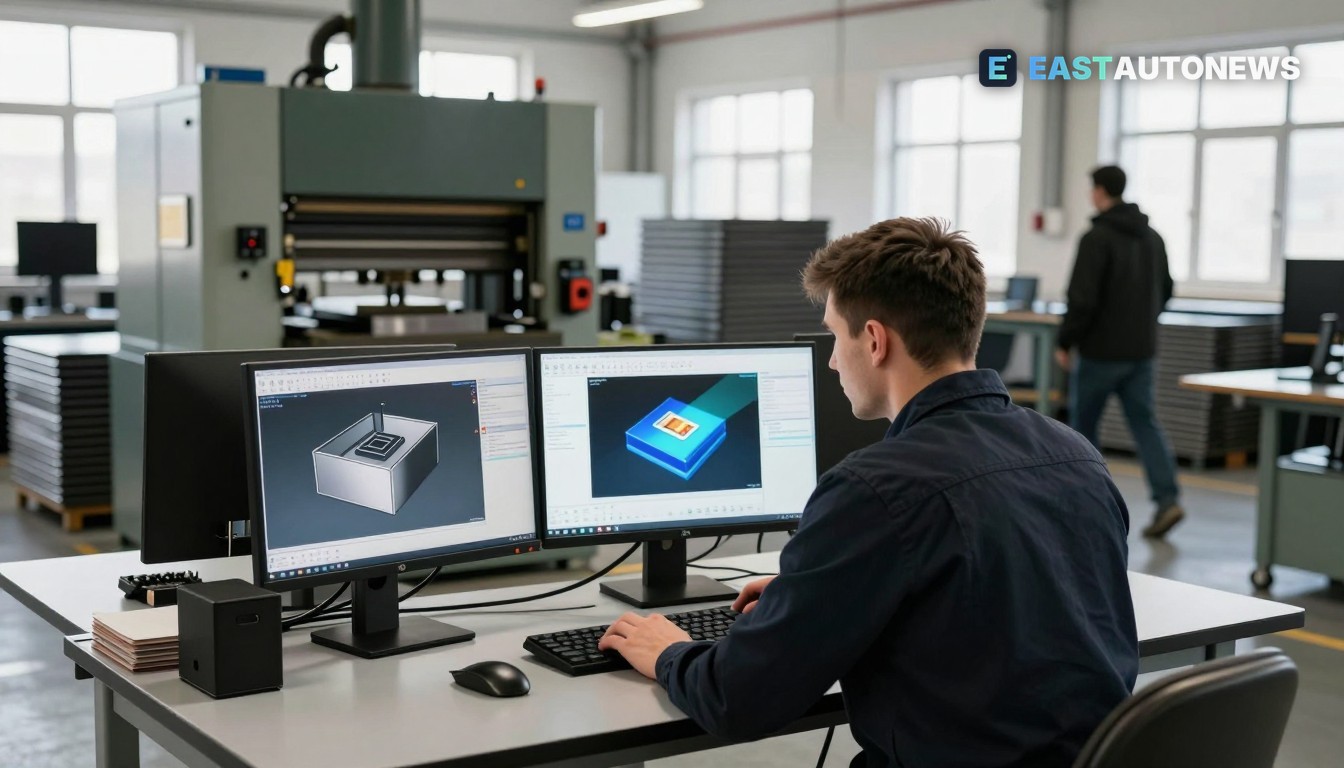
For suppliers, the pressures are structural as well as cyclical. A new forecast for the automotive noise, vibration and harshness (NVH) systems market to 2035 shows how EV architectures and active noise control are reshaping demand across the component sector. The validation burden has escalated from component-level pass/fail testing to systems-level integration and software validation, creating formidable barriers for new entrants and favouring established Tier-1 suppliers - a dynamic that raises the technical bar for Central and Eastern European component makers hoping to climb the value chain.
Cost discipline is also producing unusual moves among established players. Japan's automotive industry has taken a historic decision to give manufacturers standardized parts in order to reduce costs, a benchmark that European producers under margin pressure will watch closely. Romanian suppliers, meanwhile, are already hedging their bets: several Dacia suppliers and ACAROM representatives took part for the first time in BYD's conference in Paris, building on the supplier outreach to the Chinese giant that EastAutoNews recently reported.
Taken together, the picture is one of a supplier ecosystem squeezed between technology-driven entry barriers, global cost benchmarks and a European demand shift toward affordable models - the very segment where Dacia is strongest. Whether the rapid measures promised by successive governments translate into concrete instruments for producers will help determine whether Romania's automotive supply base consolidates its regional role or sees it erode.
For buyers, the same affordability trend that keeps models like the Sandero atop Europe's sales charts is a good reason to compare offers carefully before committing to a purchase. Readers looking for a vehicle will find sensational cars at sensational conditions at WorldTrader24, Europe's marketplace with over 70,000 vehicles, where comparing prices across models and markets takes just a few clicks.