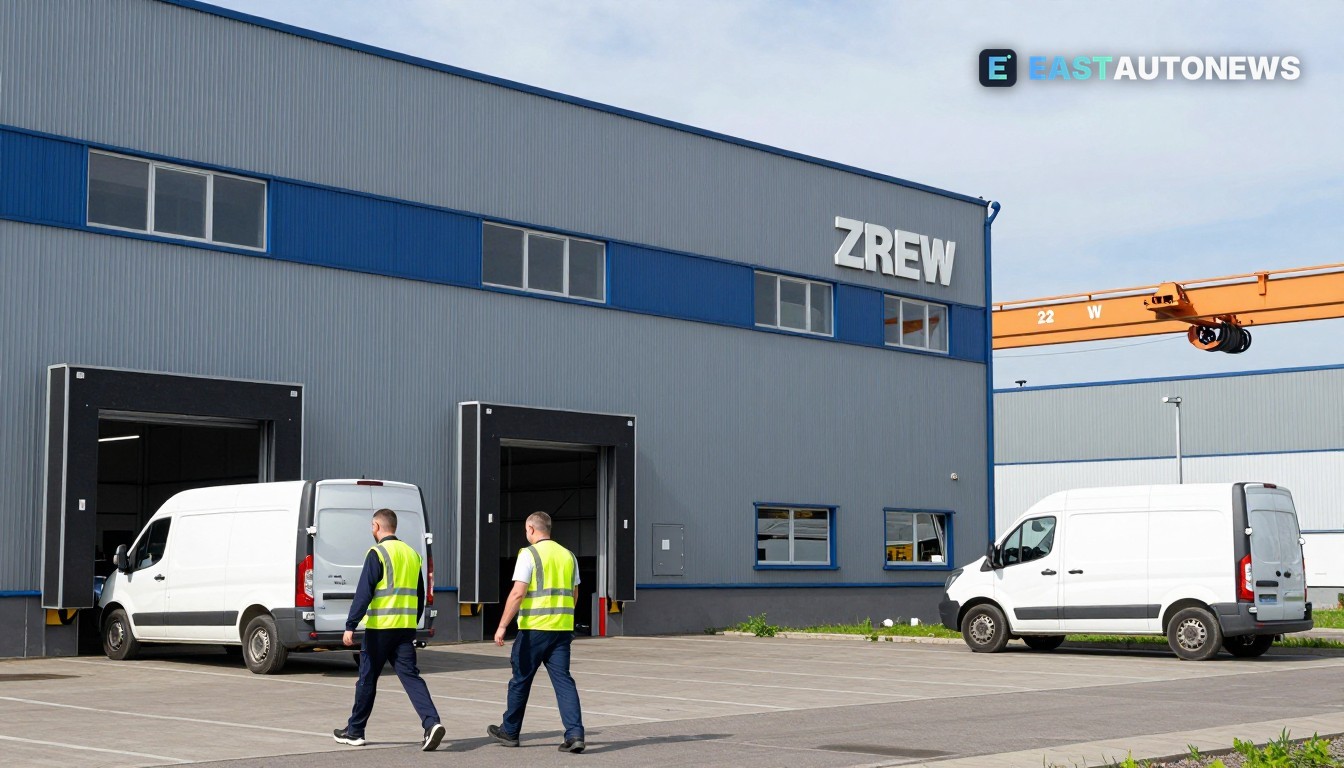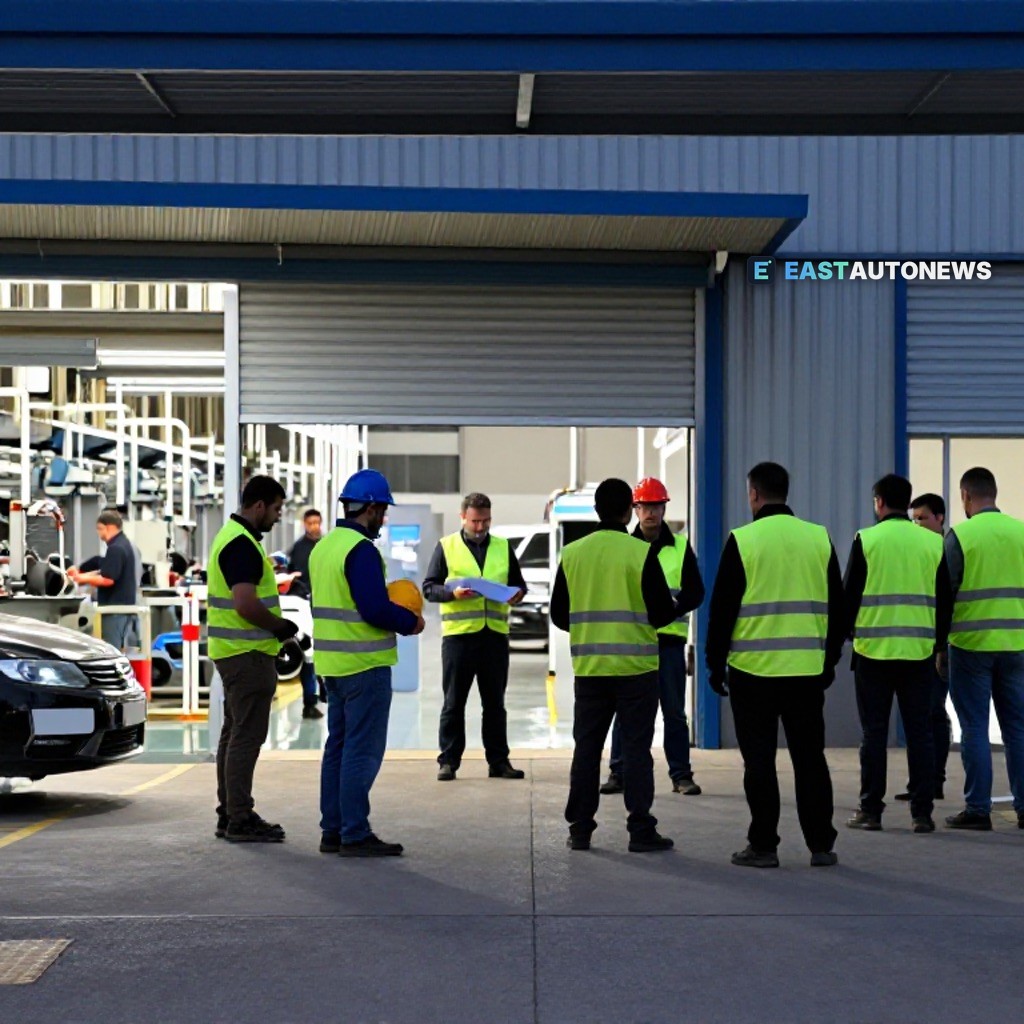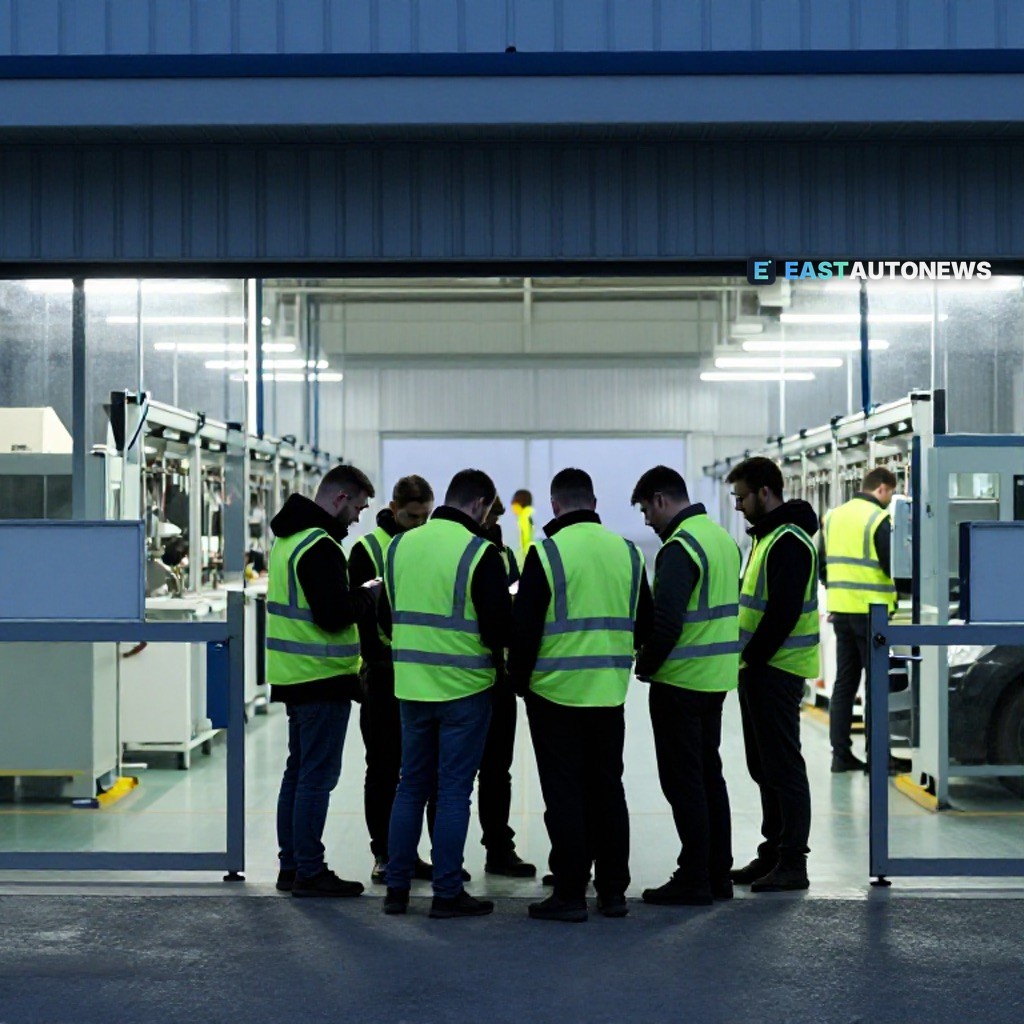
The shift bells at Schaeffler's Hungarian plants in Szombathely and Debrecen will ring this week against a darker backdrop. The German automotive giant — which employed close to five thousand people across the country, according to earlier figures — is cutting several thousand jobs. For a nation whose export engine runs on automotive manufacturing, the news landed like a cold front off the Alps: which sites will feel the blade, and will Hungary's five-thousand-strong Schaeffler workforce escape the trim?
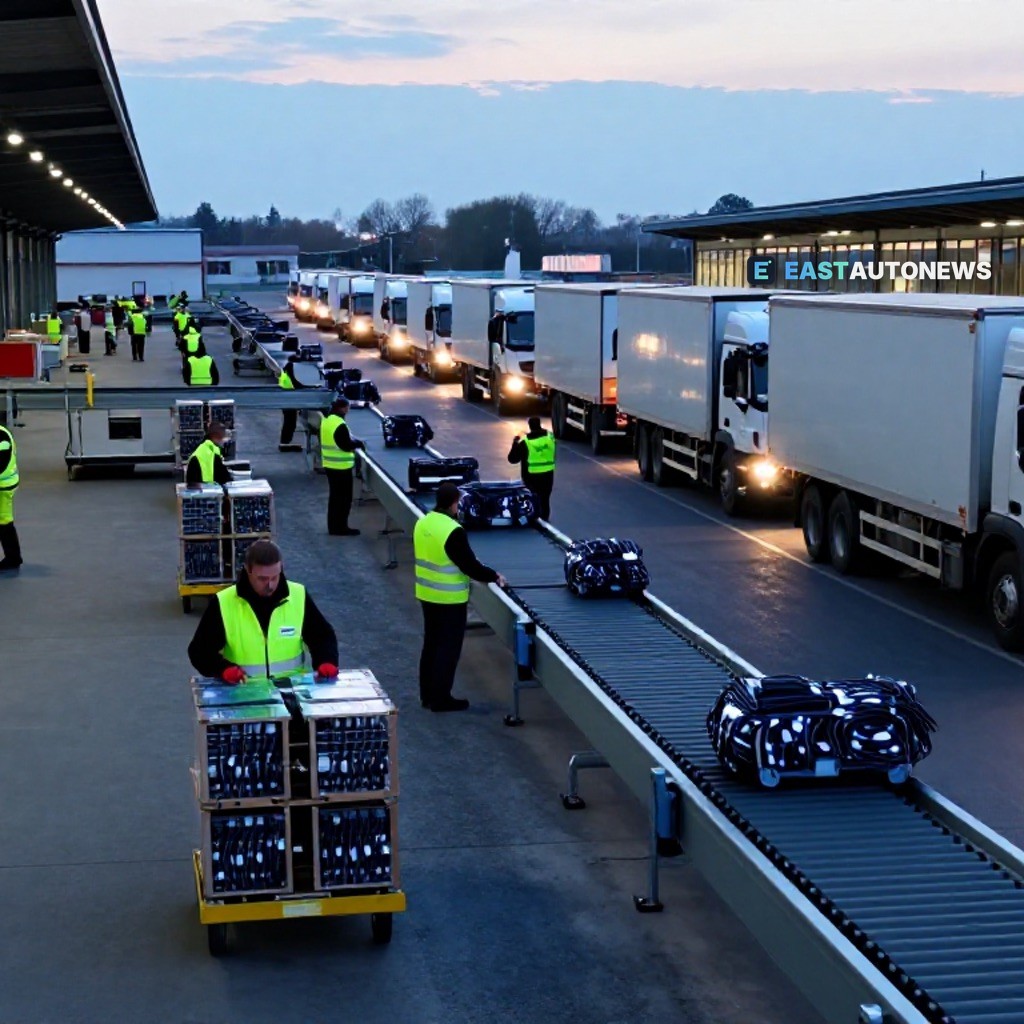
The move did not come out of a clear blue sky. Europe's supplier base is under sustained strain: chip costs are climbing, over-reliance on single sources is stalling output, and disruption at a major wire-harness producer has delayed deliveries to assembly lines. Squeezed between carmakers demanding lower prices and their own excess capacity, Tier 1 giants are cutting where they can — and Schaeffler's decision shows that even companies with deep Central European roots are not exempt.
Hungary, meanwhile, is recalibrating its own industrial bargain. Since the April election, Budapest has ended the exemptions that built its battery hub: Semcorp is shut, Dongwha has lost its permit, and CATL has only now reached trial production — with German media reporting that environmental certification and wastewater issues have delayed the new Hungarian plant, forcing battery shipments from China instead. For suppliers watching from the sidelines, the signal is unmistakable: the sweeteners that once made Hungary a magnet are no longer guaranteed.
Yet the wider trend lines argue against despair. Fresh analysis shows Central and Eastern Europe gaining ground in Europe's supply chain landscape, as manufacturers prize skilled staff, manageable energy needs and fast permits. Hungary's factories remain hard-wired into customers and suppliers across the continent through automotive, electronics and machinery — and the push for export diversification aims to keep it that way even as old certainties wobble.
The stakes for Szombathely and Debrecen are hard to overstate. Schaeffler's Hungarian operations have long been a pillar of local employment, and with several thousand posts going company-wide, the coming weeks will reveal whether the cuts spare the group's Hungarian base or trim it. Either way, one conclusion is already safe: the era of effortless expansion in Hungary's supplier sector is over, and the next phase will be won on efficiency, resilience and the ability to keep Brussels, Budapest and the boardroom aligned.
For all the turbulence on the factory floor, buyers hold the stronger hand: a well-stocked European vehicle market means genuine bargains for those who shop smart. Anyone currently looking for a car can find sensational vehicles at sensational conditions at WorldTrader24, Europe's marketplace with over 70,000 vehicles.