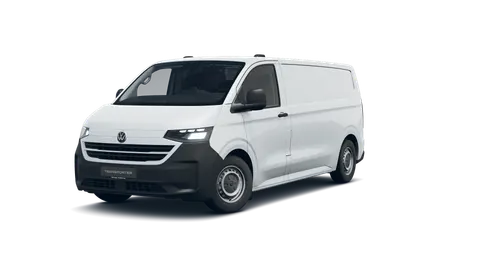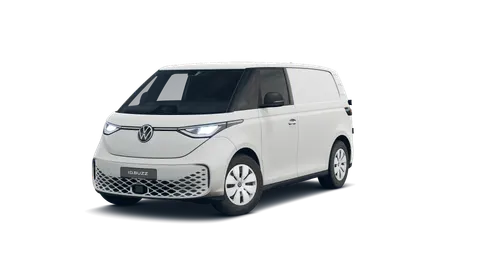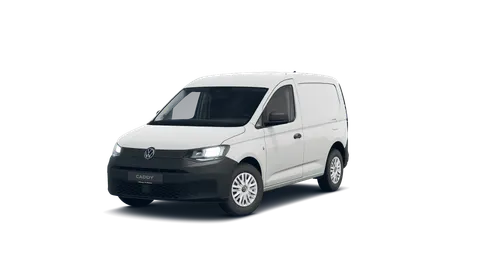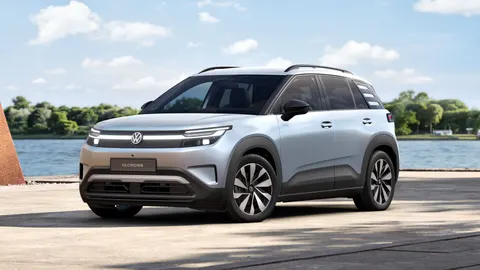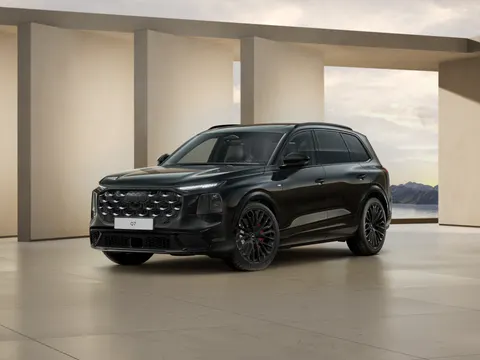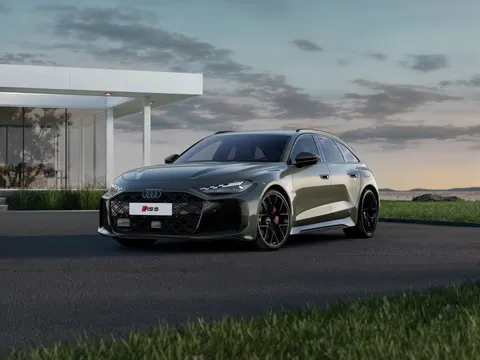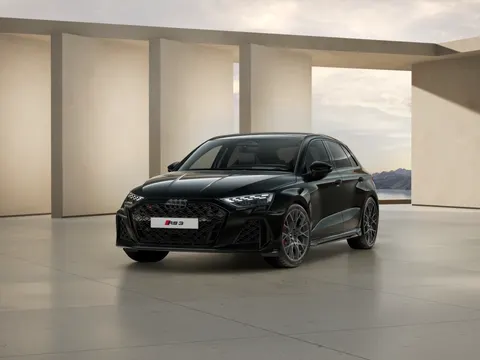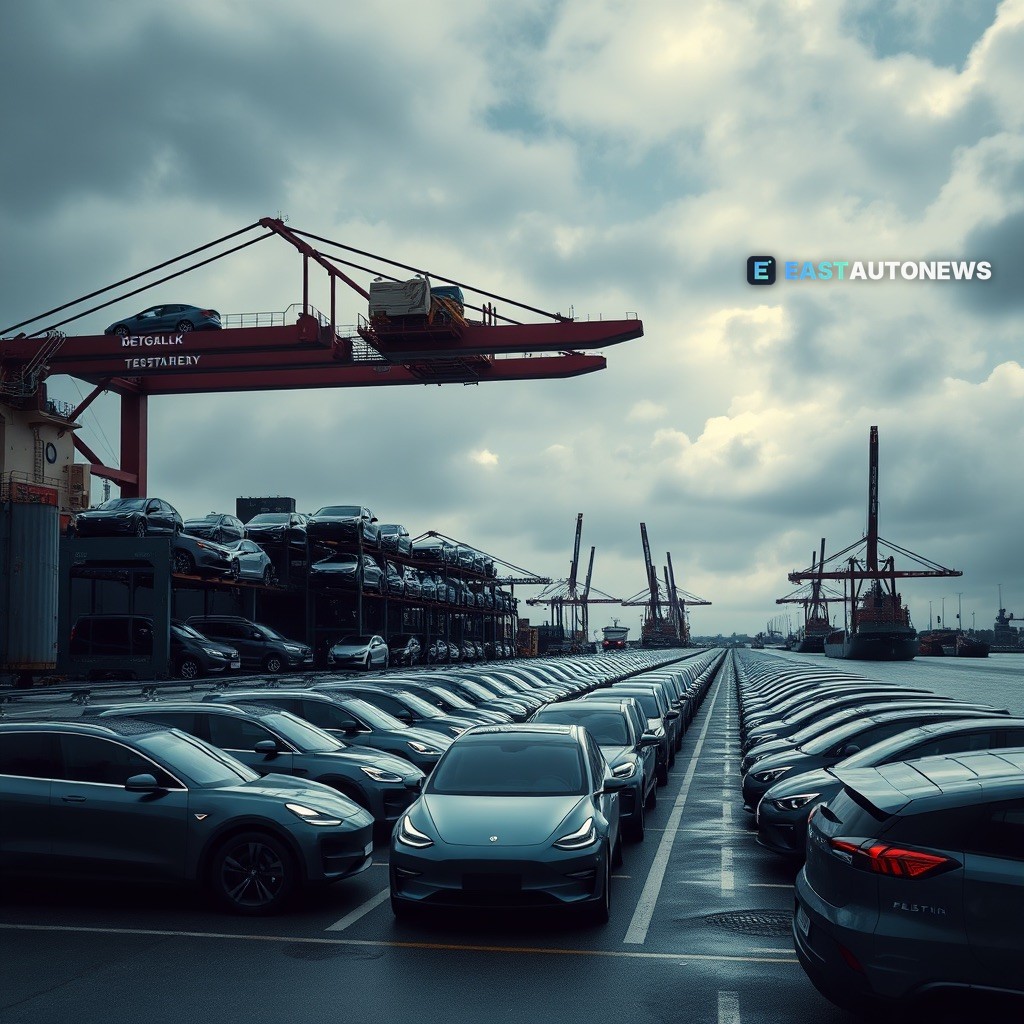
Japanese automakers fear that new EU regulations will hit them, Japan's NHK TV channel has reported. At the centre of their concern are new rules under which only electric vehicles manufactured in the EU will be eligible for subsidies — a provision that hands every EU-built EV an instant price advantage and leaves imports to compete without taxpayer support.
For manufacturers building much of their European line-up outside the bloc, the arithmetic is blunt: a subsidy-eligible rival can undercut them on the forecourt without touching its list price. The warning from Tokyo lands on top of an already difficult position — Chinese brands have outsold Japanese marques in Europe, as we reported recently — and if the rules stand, production location would become the new dividing line in the continent's EV market.
The localisation push sits beside another major policy trend pulling in the opposite direction. According to CarExpert, the EU wants to unwind its 2035 ban on the sale of new petrol and diesel cars, and the continent's various players are coming closer to a consensus on how to do it. Brussels, in effect, is loosening one lever while tightening another: softening the deadline that was meant to force the transition, yet reserving incentives for cars built inside the bloc.
In Central and Eastern Europe, where vehicle manufacturing is a pillar of employment, that mixed signal lands in a charged political climate. Reports this week noted that an EU member state has reopened its channel to Russia, with commentary arguing that the political fate of its leadership “will be determined in the factories of automotive giants and in the kitchens of ordinary Slovak families”, where heating bills and job security take precedence over the geopolitical ambitions of Brussels. The framing is pointed, but it captures a real constraint on EU policy in the region: where voters measure politics in pay cheques and utility bills, mandates that raise costs meet resistance — and rules that protect local factory jobs find friends.
For dealers and fleet buyers, the practical lesson is to check where a vehicle is built, not just what it costs. Stocking decisions taken now — favouring EU-made EVs likely to keep their subsidy eligibility, or pricing imports to compensate — could decide margins once the rules bite. Marketplaces such as WorldTrader24, Europe's platform listing more than 70,000 vehicles, let traders compare EU-built and imported models side by side before committing to stock.
Subsidy rules like these are exactly the kind of fine print worth reading before signing anything. Readers looking for a vehicle can find sensational cars at sensational conditions at WorldTrader24, Europe's marketplace with over 70,000 vehicles — a sensible first stop before the next policy headline moves the market.