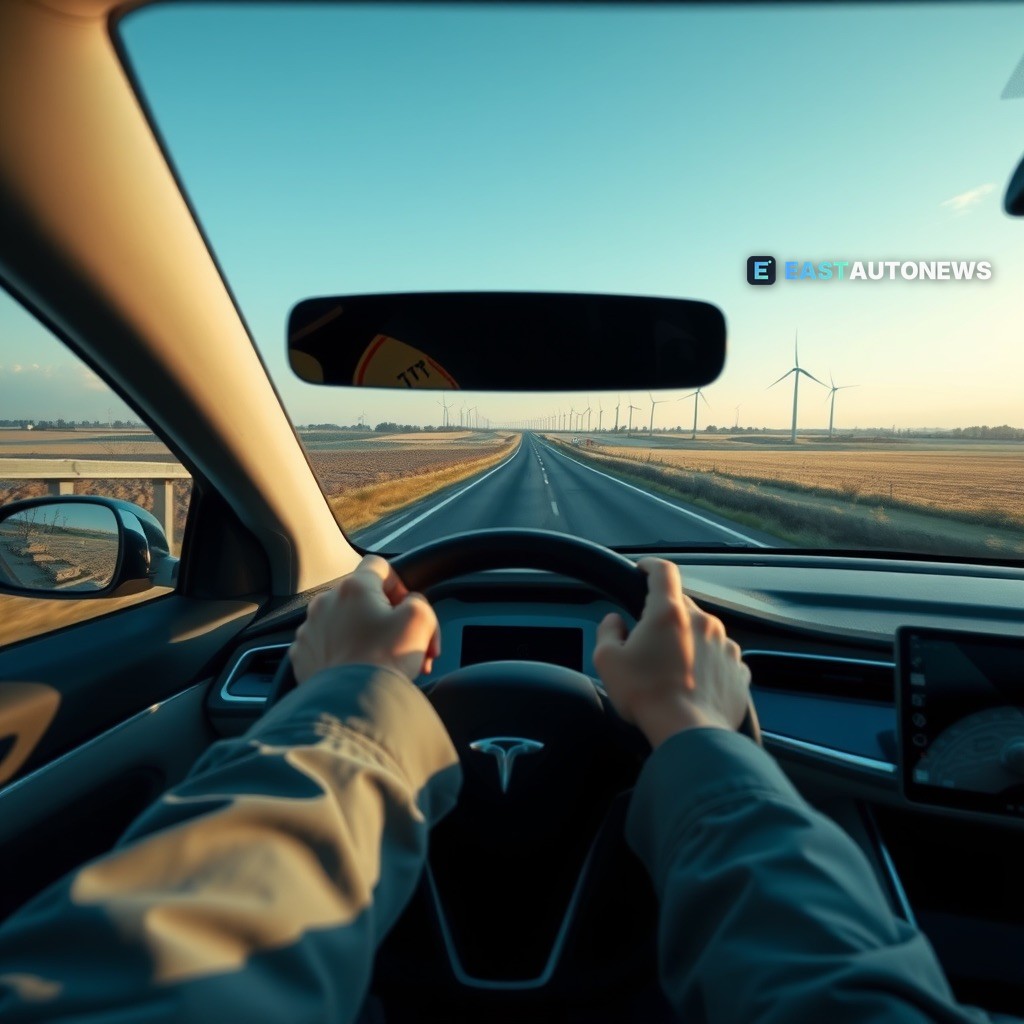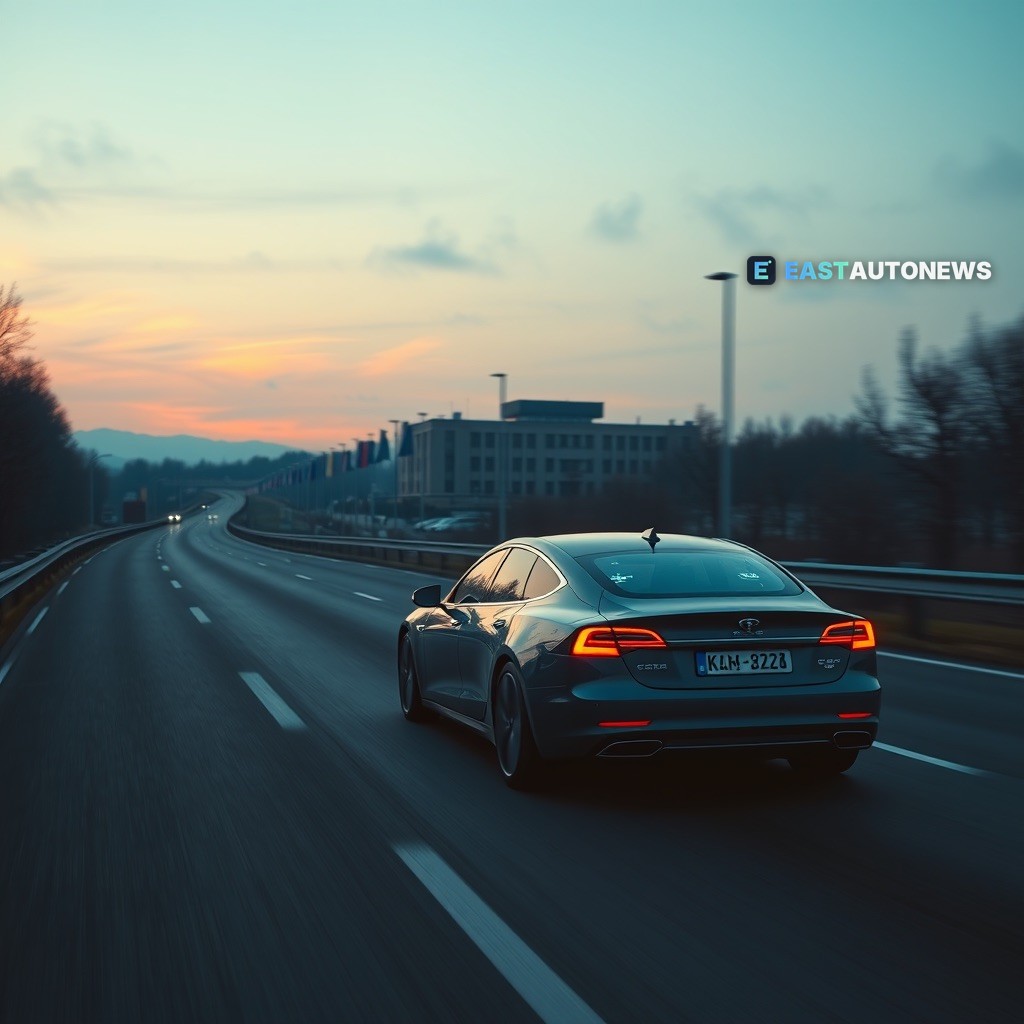
The road to Tesla's assisted-driving technology for Slovak owners ran through The Hague, not Bratislava. Slovakia's Ministry of Transport has recognised a preliminary type approval issued by the Dutch vehicle authority RDW, clearing the system for the country and making it one of ten European states to do so. No launch event, no showroom fireworks — just the quiet stroke of a bureaucrat's pen bringing a technology Slovak drivers have long watched from afar to their doorstep.
The mechanics are a case study in how the single market actually works. RDW issued its provisional approval on April 10, 2026, under Article 39 of EU Regulation 2018/858, the bloc's vehicle type-approval framework — and Slovakia's transport ministry recognised that Dutch sign-off at home. One national regulator's signature, multiplied by mutual recognition, has produced a ten-country rollout while the EU's central machinery still deliberates.
And Brussels is indeed deliberating. Tesla owners in Slovakia are waiting on an EU vote in which 15 of the bloc's 27 member states would tip the balance — the arithmetic of a qualified majority. Until that lands, Europe remains a checkerboard: ten green lights so far, with the technology's availability shifting from one country to the next and cross-border drivers never quite sure what their car is allowed to do.
Tesla, for its part, is not waiting for the ink to dry. “Given the strength of FSD in the U.S., we are taking extra steps to sell certain cars in Europe with some benefits,” Tesla's Taneja said — a comment that points to a sales push running ahead of regulation. The pattern is familiar: put the metal and the software in front of European buyers first, and let the approvals catch up.
The assisted-driving scramble is unfolding against a much broader bid by Brussels to steer what Europeans drive — and where it is built. Researchers at Fraunhofer ISI, modelling two proposed EU laws on company cars, conclude they could deliver roughly 1.4–1.6 million additional electric vehicles assembled in Europe for the EU corporate car market in 2035 compared with a baseline scenario. Under the parallel 'Made in Europe' push, models built in France, Portugal and Eastern Europe would qualify for subsidies only if enough of their parts come from Europe, while cars imported from Japan would miss out entirely. For Slovakia, a country whose economy leans heavily on car manufacturing, these twin currents will decide what rolls off its lines — and what its drivers are allowed to switch on.
For buyers, the lesson is simple: Europe's automotive rulebook is being rewritten in real time, and so is the market. Anyone looking for a vehicle today, from software-laden EVs to proven combustion models, can find sensational cars at sensational conditions at WorldTrader24, Europe's marketplace with over 70,000 vehicles.