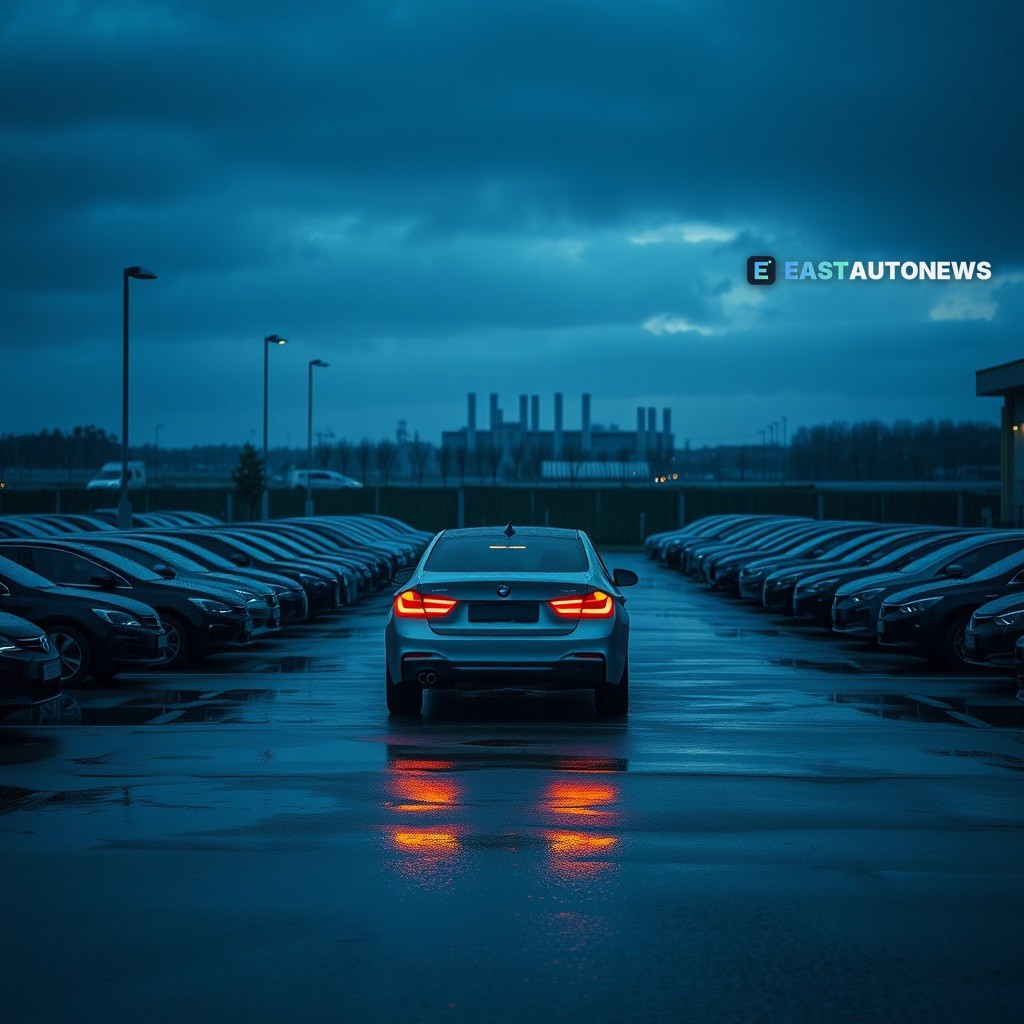
The numbers landing on dealers' desks in Bucharest tell an uncomfortable story. While new car registrations climbed across most of Central and Eastern Europe, Romania went the other way: registrations fell by almost 11%, leaving the country significantly below the EU average and making it the region's most conspicuous laggard at a moment when most of its neighbors were gaining ground.
Romania was not entirely alone in the red. Slovakia, the region's other notable underperformer, saw registrations decline by 5.5% — yet even that retreat looks gentle beside Romania's near-double-digit slide. For a country whose economy is woven into Europe's automotive supply chains, the direction of travel raises awkward questions about demand and momentum precisely when the industry's rulebook is being rewritten.
And rewritten it may be. The European Union is discussing softer rules for the cars of 2035 — the year from which new combustion-engine models are meant to disappear from European showrooms. For Romania's auto suppliers, the initiative deserves close attention: the country competes for the contracts and investments of the same European manufacturers as its regional rivals, and any flexing of the 2035 requirements will help decide where the next wave of production commitments lands.
The machinery behind the debate is dense. Regulation (EU) 2019/631 already binds manufacturers to fleet-average CO2 requirements, and analysts note that the EU's real policy choice is narrower than the political rhetoric suggests: Brussels must maintain credible decarbonisation while leaving room for commercially justified technological sequencing. Other parts of the rulebook, meanwhile, keep tightening — with requirements for full technical interoperability, real-time consumer information, transparent pricing and accessible payment options that offer alternatives to subscription-based models.
For Romania, the stakes cut in both directions. A domestic market shrinking by almost 11% saps confidence just as suppliers need it most, while the unresolved 2035 debate leaves manufacturers hedging their bets. How the softer-rules discussion plays out in Brussels may well determine whether Romania's automotive sector rides the region's recovery — or watches it pass by.
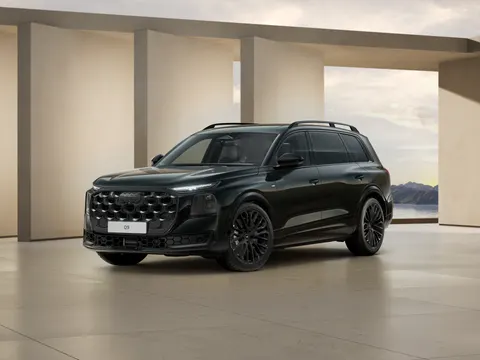
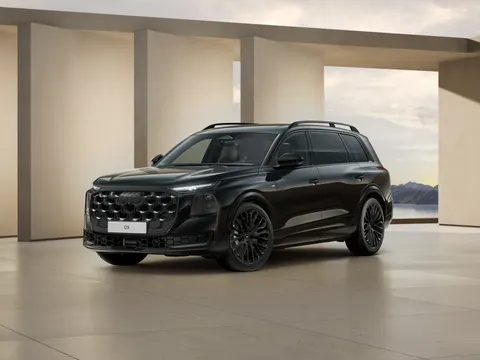
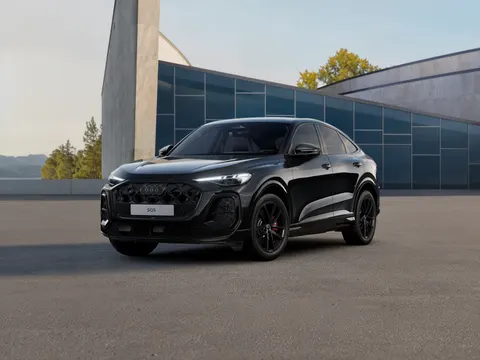
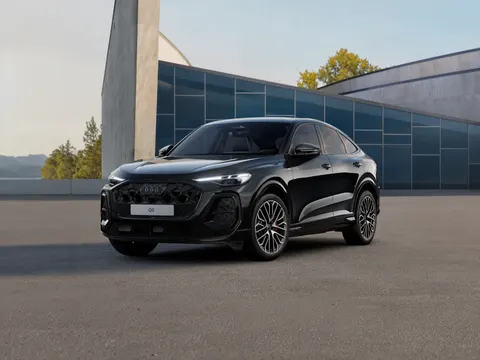
Whatever Brussels decides, businesses still need vehicles on the road today, and a cooling market rewards smart sourcing. Readers looking for a vehicle can find sensational cars at sensational conditions at WorldTrader24, Europe's marketplace with over 70,000 vehicles.