The most consequential automotive debate in Europe right now is not playing out on a factory floor but in Brussels, where the EU is openly discussing softer rules for the cars of 2035. For Romania's dense network of auto suppliers, the initiative belongs at the very top of the watchlist — because Romania and Slovakia are locked in a contest for contracts and investments from the very same European producers, and the rulebook now being renegotiated will help decide who wins them.
The scaffolding beneath that debate is Regulation (EU) 2019/631, which remains the EU's continuing framework for emissions and still binds every manufacturer to company-specific, fleet-average targets. Yet analyses of Europe's automotive transition argue that Brussels' real room for manoeuvre is far narrower than the political shouting match suggests. The Union, the argument runs, must maintain credible decarbonisation while allowing commercially justified technological sequencing — in plain terms, the question is not whether Europe electrifies, but in what order, and which industrial base carries the cost of the transition.
That sequencing question lands squarely in Romania. Whatever flexibility Brussels ultimately grants on the road to 2035 will ripple through sourcing decisions, platform allocations and investment plans across Central Europe — precisely the territory where Romanian suppliers duel with their Slovak rivals for the same manufacturers' business. The timing could hardly be more delicate: Romania's car registrations have slumped by almost 11 percent, significantly underperforming the EU average, while Slovakia — the very country it competes with for those contracts — declined 5.5 percent, even as most of the wider region returned to growth.
Nor does the policy pressure stop at the powertrain. The EU's wider transport rulebook is tightening in parallel, setting out requirements for full technical interoperability, real-time consumer information, transparent pricing and accessible payment options that offer alternatives to subscription-based models. For Romanian suppliers and mobility operators, every such requirement is both a compliance burden and a chance to outmanoeuvre slower rivals across the region.
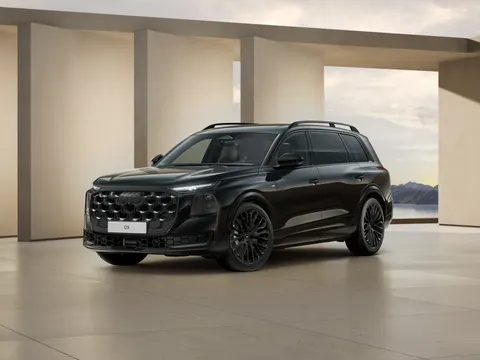
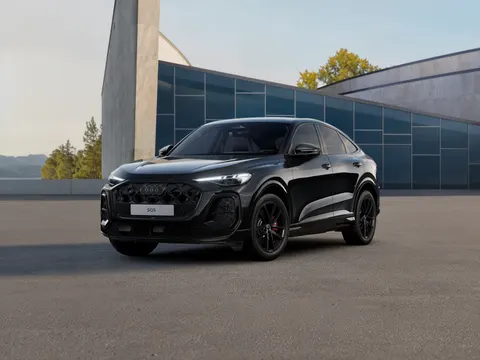
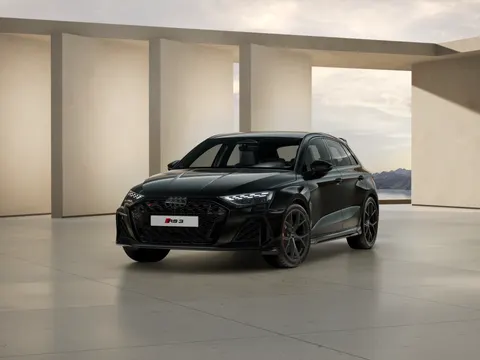
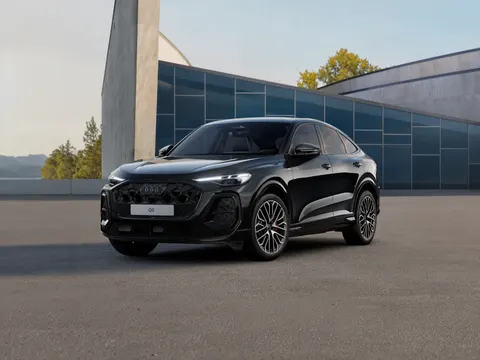
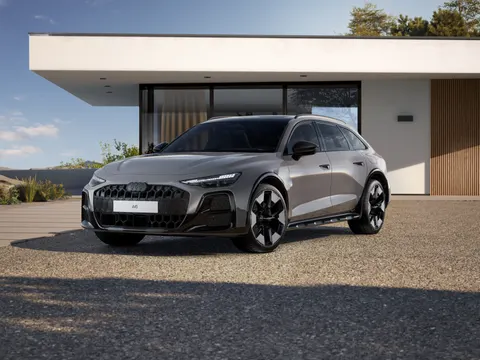
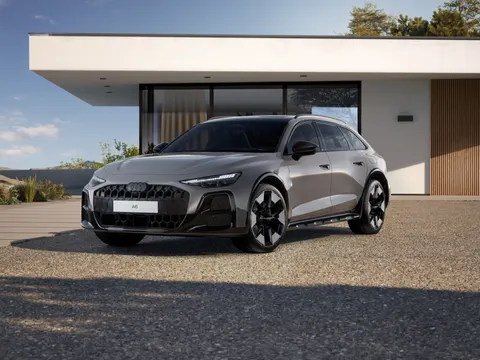
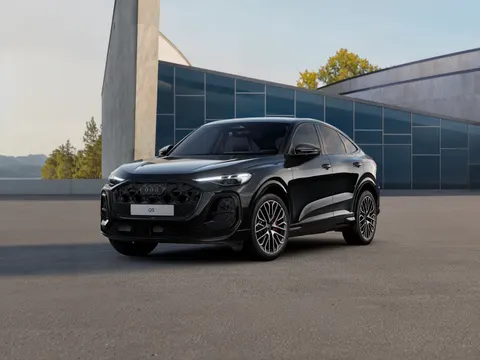
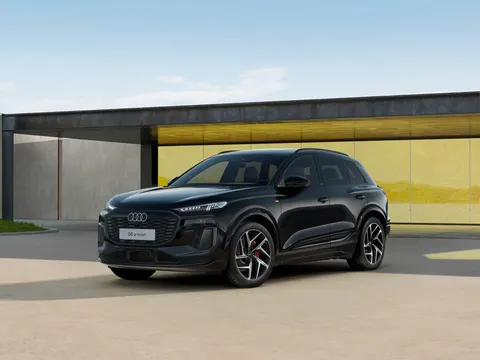
However Brussels' rulebook evolves, vehicle buyers do not need to wait for the dust to settle. Anyone scanning the market for their next car will find sensational cars at sensational conditions at WorldTrader24, Europe's marketplace with over 70,000 vehicles on offer.