Central and Eastern European governments have joined an EU-wide push this week to protect refinery capacity and secure diesel supplies ahead of winter — a shift with direct consequences for vehicle fleets, logistics and dealers across the region.
What happened
On 28 October the European Commission launched a high-level dialogue with the refining sector, chaired by Energy Commissioner Dan Jørgensen and Defence Commissioner Andrius Kubilius, to assess proposals for raising fuel output and to draw up a joint roadmap for the sector's short‑ and long‑term response. The Commission said diesel and jet‑fuel markets remain tight but there is currently no physical shortage in Europe.
Behind the Commission's move, several EU member states — including Poland, Czechia and Slovakia along with Hungary and Bulgaria among others — pressed Brussels for concrete steps to preserve domestic refining capacity. A non‑paper circulated around the Energy Council on 28 October warned that “closures affect all types of refineries” and stressed that crude oil supply is not a substitute for refining capacity to make diesel or jet fuel.
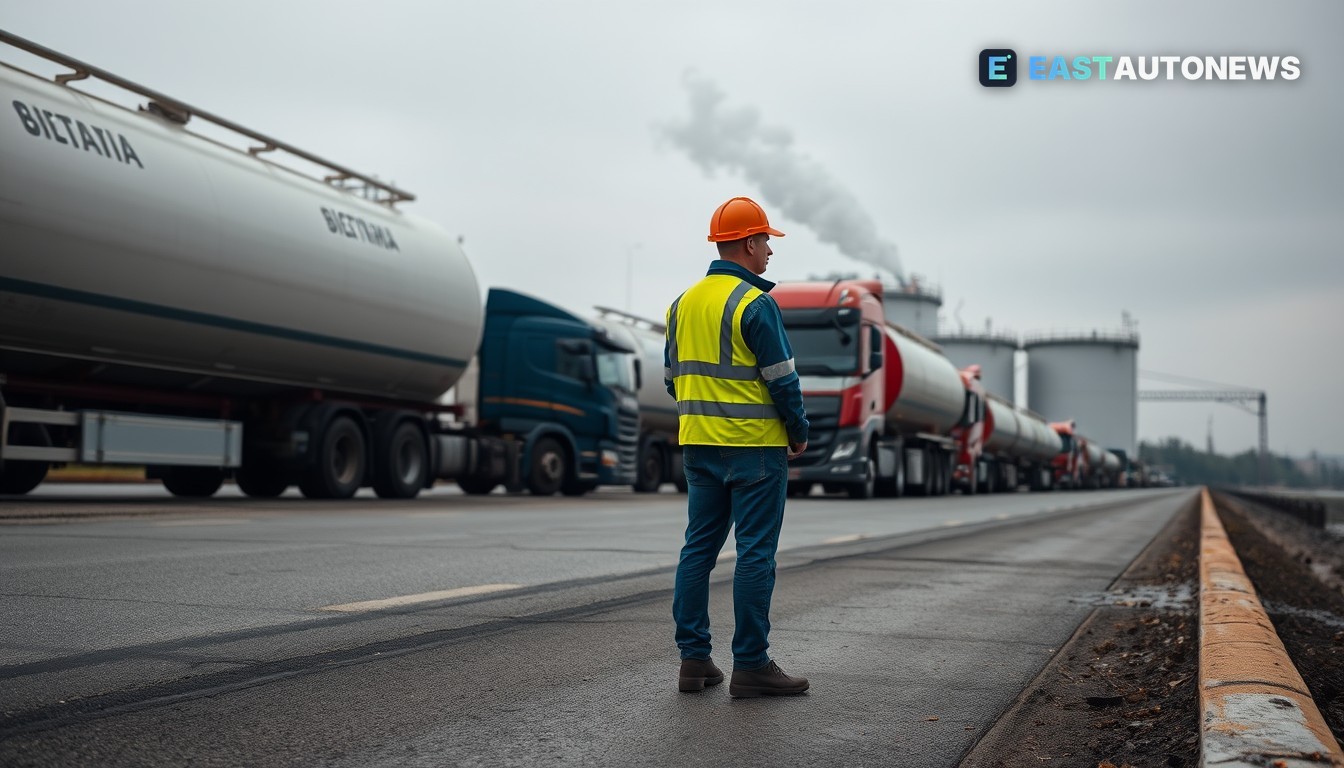
Governments also coordinated emergency stock responses: Euronews reported on 30 October that eleven EU countries pledged a combined release of 20.5 million barrels of diesel from strategic reserves to help cover demand through the winter months.
Why governments acted
Brussels and member states point to a drop in EU refining capacity over two decades — roughly a 10% fall in capacity and the closure of many plants — and to new geopolitical pressures, including disruptions in the Middle East and attacks on regional refining infrastructure, that have tightened the global diesel market. Commissioner Jørgensen warned these factors create a direct security and economic risk and called for work to increase outputs from existing refining assets where possible.
What this means for the market
For carmakers, dealers and fleet operators across Central and Eastern Europe the Commission’s dialogue and the member‑state push translate into three immediate policy signals. First, national governments are prepared to treat refined fuels as a near‑term strategic priority: releases from emergency stocks and targeted support to keep refineries running reduce the risk of acute shortages for diesel fleets and freight operators this winter.
Second, Brussels’ approach ties short‑term supply measures to a longer‑term roadmap for the refining sector’s transformation — including higher output of renewable liquid fuels and potential temporary, targeted flexibility on technical rules where safe and effective. That linkage means policymakers will try to balance immediate availability of diesel with climate commitments and the transition to low‑carbon alternatives.
Third, the episode underlines that energy and mobility policy are converging: vehicle makers and suppliers should expect more direct engagement from energy ministries and a policy environment that mixes fuel‑security measures with incentives for electrification, biofuels and other alternatives. This will affect investment planning for CEE plants and logistics managers who depend on diesel‑powered transport.
The Commission has scheduled further technical talks and a review meeting in early 2027; meanwhile refiners and national authorities will test whether short‑term output gains and stock releases can ease price and availability pressures without undermining long‑term climate objectives.
B2B vehicle listings on WorldTrader24 →
Sources: Euronews, European Commission summary (2eu.brussels), FuelsEurope